
Hydration Myths That Keep Getting Repeated — and the Reality Behind Them
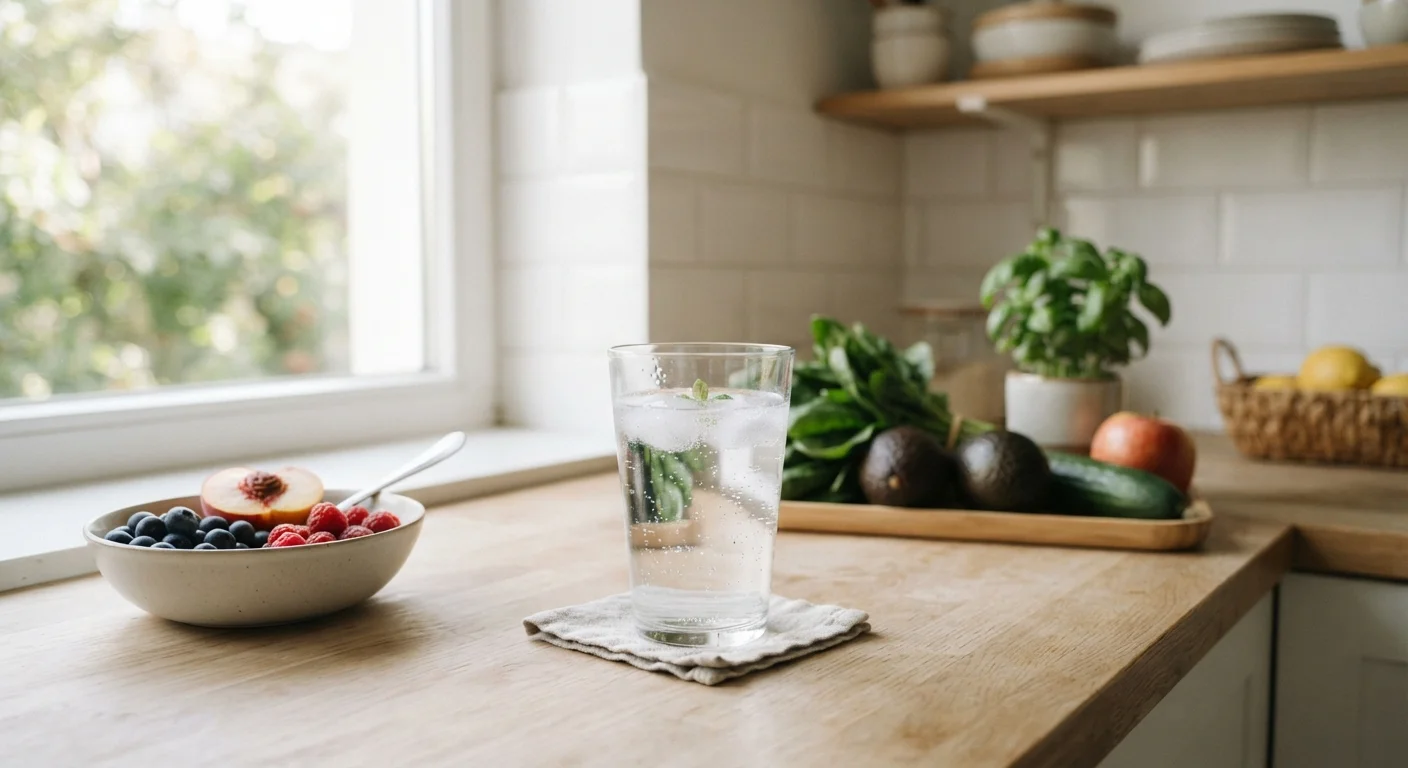
Photo credit: ResultsPivot.com | Discover Insightful Content!
Eight glasses a day? Thirst means you're already dehydrated? We unpack the most persistent hydration myths with a clearer look at what the evidence says.
Key Takeaways
- The 'eight glasses a day' rule has no firm scientific basis; individual needs vary widely.
- Thirst is generally a reliable hydration signal for most healthy adults.
- Foods contribute meaningfully to daily fluid intake, not just beverages.
- Drinking excessive water can be harmful, not just neutral — overhydration is a real risk.
- Urine color is a practical, reasonably reliable indicator of hydration status.
Why Hydration Myths Persist
Hydration sits at the intersection of physiology, wellness marketing, and folk wisdom — a combination that makes it fertile ground for myths. Simple rules are easy to remember and share, even when the science behind them is thin or misunderstood. The result is a cycle where half-truths get amplified until they feel like established fact.
Getting hydration right doesn't require obsessive tracking or expensive products. It requires letting go of a few persistent misconceptions and replacing them with a clearer understanding of how the body actually manages fluid. The same instinct to question popular health claims applies here as it does with food — for a parallel look at nutritional half-truths, see our nutrition myths fact-check.
Myth
Everyone needs to drink exactly eight 8-ounce glasses of water every day.
Fact
There is no universal scientific consensus supporting the 8×8 rule; fluid needs differ based on body size, activity, climate, and diet.
The origin of the "8×8" guideline is murky. One widely cited theory traces it to a 1945 U.S. Food and Nutrition Board recommendation — but that document actually noted most required water comes from food. Research published in the American Journal of Physiology found no scientific evidence supporting the rule as a universal prescription. Your kidneys, hormones, and thirst mechanism work together dynamically, so a rigid daily target can be misleading rather than helpful.
Myth
By the time you feel thirsty, you're already significantly dehydrated.
Fact
For most healthy adults, thirst is a well-calibrated early signal — not a late-stage warning sign of serious dehydration.
This claim is often repeated in wellness circles but overstates the evidence. Research suggests thirst typically kicks in when the body has lost roughly 1–2% of body water — a mild deficit that triggers a response well before performance meaningfully declines in most people. Elderly individuals and those engaged in intense exercise in heat may need to be more proactive, but for the general healthy population, thirst remains a practical and reasonably reliable hydration guide.
Myth
Coffee and tea dehydrate you because caffeine is a diuretic.
Fact
Moderate caffeine intake does have a mild diuretic effect, but the fluid in coffee and tea still contributes net hydration for regular consumers.
Studies — including a review in the journal PLOS ONE — have found that moderate coffee consumption (around 3–4 cups daily) does not lead to net fluid loss in habitual drinkers. The diuretic effect is mild and offset by the volume of water consumed. Heavy caffeine intake or consumption in people unaccustomed to caffeine may produce a slightly stronger effect, but routine coffee and tea drinkers can count these beverages as part of their daily fluid intake.
Myth
You should only hydrate by drinking water and other beverages.
Fact
Food contributes roughly 20–30% of daily fluid intake for most people eating a typical diet, according to research cited by the Institute of Medicine.
Water-rich foods — including cucumbers, lettuce, tomatoes, watermelon, and soups — make a meaningful contribution to total hydration. This is one reason the concept of a fixed daily beverage target is imprecise: someone eating a diet rich in fruits and vegetables naturally needs to drink less than someone subsisting on dry, processed foods. Tracking beverage intake alone misses a significant piece of the hydration picture.
Myth
Drinking more water is always better — there's no such thing as too much.
Fact
Overhydration, or hyponatremia (low blood sodium caused by excess water intake), is a real and potentially serious condition.
Hyponatremia occurs when excess water dilutes sodium levels in the blood. It has been documented in endurance athletes who over-drink during events, and in rare cases can be life-threatening. Symptoms range from nausea and headache to confusion and, in severe cases, seizure. For most sedentary people the risk is low, but the idea that more water is always better is simply incorrect and can be dangerous for certain groups. Always consult a healthcare professional if you have questions about fluid needs for specific medical conditions or athletic training.
Myth
Clear urine means you're perfectly hydrated.
Fact
Pale yellow urine is the generally accepted marker of adequate hydration; consistently colorless urine may indicate you are over-drinking.
Urine color charts used in clinical and sports science settings typically place the ideal range at a pale straw or light yellow — not completely colorless. Completely clear urine can suggest excessive fluid intake, which as noted above carries its own risks. Conversely, dark amber or brown urine is a reasonable signal to increase fluid intake. Certain vitamins (like B2/riboflavin) and foods can also alter urine color independently of hydration status, so it's one useful tool among several rather than a definitive measure.
What Good Hydration Actually Looks Like
Rather than chasing a specific number, a practical approach to hydration focuses on a few reliable signals and habits.
20–30%
Daily fluid intake from food
The Institute of Medicine has noted that food typically contributes 20–30% of total daily fluid intake for people eating a varied diet.
1–2%
Body water loss before thirst triggers
Research indicates thirst generally activates at a body water deficit of around 1–2%, well before significant performance impairment for most healthy adults.
3–4 cups
Moderate daily coffee — net hydrating
A review in PLOS ONE found habitual coffee drinkers consuming 3–4 cups daily showed no net fluid deficit compared with water consumption.
- Pay attention to thirst. For healthy adults not in extreme heat or intense athletic training, thirst is a functional guide. Drink when you're thirsty; don't force fluids when you're not.
- Check your urine color. Aim for pale yellow. This is a low-effort real-world check that requires no measurement tools.
- Account for context. Higher temperatures, strenuous exercise, illness involving fever or diarrhea, and pregnancy all increase fluid needs. These are moments to be more intentional — not necessarily to double your intake, but to stay attuned to your body's signals.
- Eat your water. A diet with adequate fruits, vegetables, and soups naturally supports hydration without any counting.
Endurance Athletes: Special Hydration Considerations
People exercising intensely for extended periods — particularly in heat — face different hydration demands than sedentary individuals. Both under-drinking and over-drinking carry real risks in this context, including hyponatremia from excessive plain water intake during long events. If you train or compete at high intensity, work with a sports medicine professional or registered dietitian to build a personalized hydration strategy.
This article is for general informational purposes only and does not constitute medical advice. If you have questions about your personal hydration needs — especially in the context of a medical condition, medication, pregnancy, or athletic training — please consult a qualified healthcare professional.
Hyponatremia Is a Real Risk
Drinking very large quantities of plain water in a short period can dangerously dilute blood sodium levels. This condition — hyponatremia — has caused serious harm and fatalities, particularly in endurance sports. More water is not always better. If you experience symptoms like severe headache, confusion, nausea, or swelling after consuming large amounts of fluid, seek immediate medical attention.

Author
Health & Wellness Editorial Team
Health & Wellness Editorial Team is the collective byline for our editorial team and contributor network. Articles published under this byline or an editorial pen name are researched, written, and reviewed according to our editorial standards for clarity, consistency, and independence before publication.
View all articles →