
Car Maintenance Myths That Could Actually Cost You Money
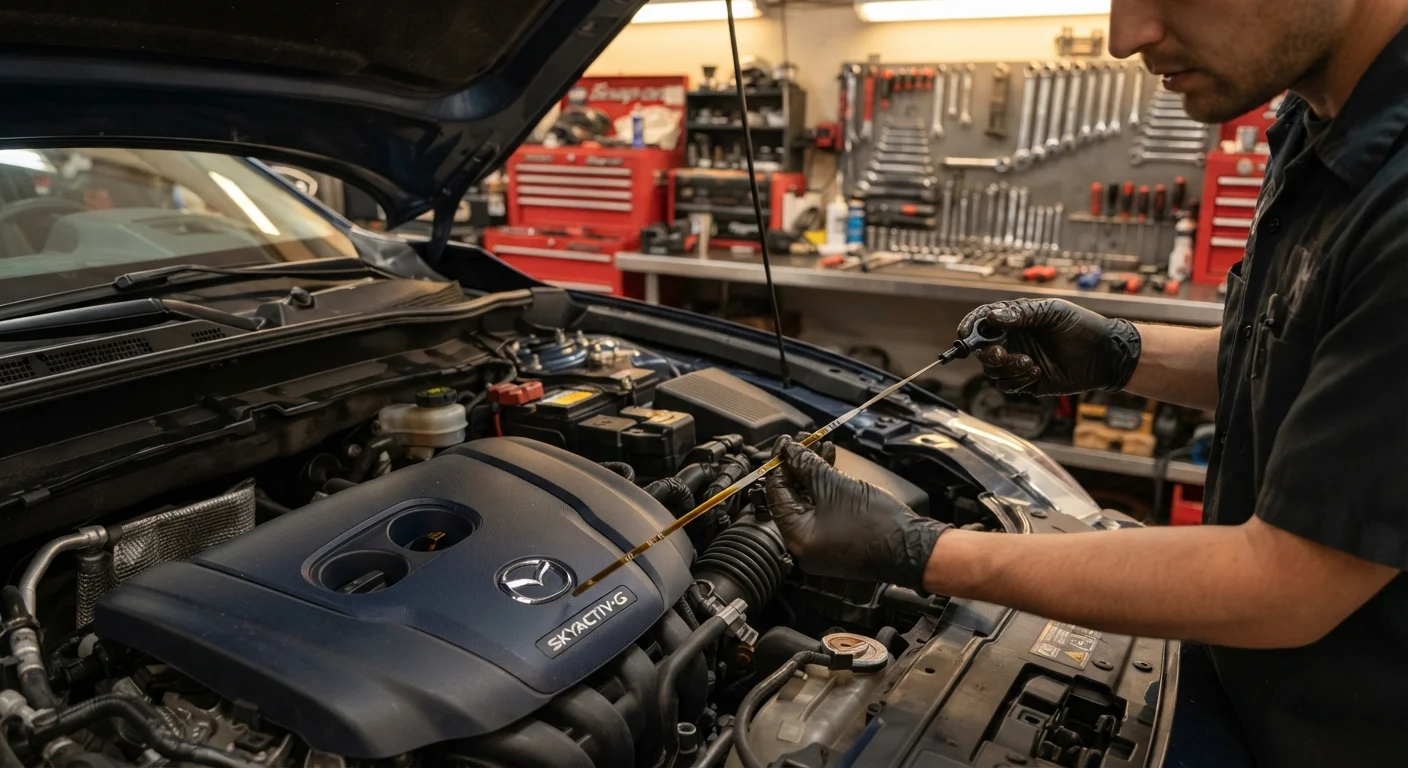
Photo credit: ResultsPivot.com | Discover Insightful Content!
From warming up the engine to topping up oil with any brand, some widespread car care beliefs are simply wrong. Here's what the evidence says.
Key Takeaways
- Modern fuel-injected engines don't need extended warm-up periods before driving.
- The 3,000-mile oil change rule is outdated — most vehicles can go significantly longer.
- Premium fuel only benefits engines specifically designed to require it.
- Mixing oil brands of the same grade is generally safe in a pinch.
- Tyre pressure should match the door placard, not the number on the tyre sidewall.
Why Car Maintenance Myths Stick Around
Bad car advice spreads easily. Some of it started as genuine best practice decades ago and never got updated. Some gets passed down from well-meaning relatives. And some simply sounds logical on the surface — even when the engineering reality says otherwise. The cost isn't just inconvenience: acting on outdated or incorrect maintenance beliefs can lead to unnecessary spending, premature wear, or missed issues that actually need attention.
The myths below are among the most common ones still circulating. Each one has a straightforward correction grounded in how modern vehicles actually work.
Myth
You need to let your engine warm up for several minutes before driving, especially in cold weather.
Fact
Modern fuel-injected engines warm up faster and more efficiently when driven gently, rather than idling in the driveway.
The warm-up habit made sense for carbureted engines, which needed time to stabilize the air-fuel mixture in cold temperatures. But virtually every car built after the mid-1990s uses electronic fuel injection, which adjusts the mixture automatically. Extended idling in cold weather doesn't bring the engine up to full operating temperature as quickly as gentle driving does — it just burns fuel and adds unnecessary wear to cylinder walls while the engine runs rich. A minute or less of idling to clear windows is plenty; after that, drive away smoothly at moderate speeds.
Myth
You should change your engine oil every 3,000 miles — no exceptions.
Fact
Most modern vehicles can go 5,000 to 10,000 miles or more between oil changes, depending on the oil type and the manufacturer's specification.
The 3,000-mile rule is a legacy of older engine designs and conventional oil formulations. Today's synthetic and synthetic-blend oils last considerably longer, and most manufacturers now specify intervals of 7,500 miles or higher — some full-synthetic recommendations extend to 10,000–15,000 miles under normal driving conditions. The most reliable guide is your owner's manual and, if your car has one, the onboard oil-life monitoring system. Changing oil more frequently than required doesn't harm your engine, but it costs money and generates unnecessary waste. Check out our fluid checks walkthrough for a straightforward look at how to monitor oil condition yourself.
Myth
Premium fuel gives any car better performance and fuel economy.
Fact
Premium fuel only benefits engines engineered to require it or take advantage of it. In most standard engines, it makes no measurable difference.
Premium fuel has a higher octane rating, which resists engine knock — an issue that matters in high-compression or turbocharged engines tuned for it. If your vehicle's manual says "premium recommended" or "premium required," there's a real reason to use it. But if the manual specifies regular, you're effectively paying extra for nothing. The engine control unit in a regular-grade engine can't extract additional power or efficiency from higher-octane fuel. Save the money and redirect it toward maintenance that actually moves the needle, like tyre care — which we cover in detail in our tyre maintenance guide.
Myth
You should always use the same brand of motor oil, and mixing brands will damage the engine.
Fact
Mixing oil brands of the same viscosity grade and specification is generally safe — oil standards are regulated, and formulations are designed to be compatible.
Motor oil in the US is tested against American Petroleum Institute (API) and International Lubricant Standardization and Approval Committee (ILSAC) standards. Any oil that meets the same specification — say, API SP, 5W-30 — is formulated to be compatible with others of the same grade. Topping up with a different brand in a pinch won't cause engine damage. That said, it's worth maintaining consistency when doing a full change, simply because oil is optimized as a complete system. The brand myth persists partly because it's good for oil company marketing — but it doesn't hold up to the engineering reality.
Myth
You should inflate your tyres to the pressure printed on the tyre's sidewall.
Fact
The sidewall number is the tyre's maximum pressure limit, not the recommended inflation. The correct pressure is on the sticker inside your driver's door jamb.
Over-inflating tyres to the sidewall maximum causes the tyre to ride on a smaller contact patch in the center of the tread, which reduces grip, wears the centre tread faster, and makes the ride harsher. The door jamb placard specifies the pressure your vehicle's engineers determined gives the right balance of handling, fuel economy, and ride comfort for that specific car and tyre combination. Check and adjust pressure when the tyres are cold — typically after the car has been parked for at least three hours — for an accurate reading.
The Real Cost of Getting Maintenance Wrong
Believing these myths isn't just a matter of habit — it has a tangible financial impact. Unnecessary oil changes, premium fuel in a regular engine, or over-inflated tyres all add up over thousands of miles of ownership. The irony is that most of these habits feel responsible, which makes them harder to question.
$0
Extra benefit from premium fuel in a regular engine
According to AAA testing, using premium fuel in vehicles designed for regular grade produces no measurable improvement in performance or fuel economy.
5,000–10,000 mi
Typical modern oil change interval
Most current vehicle manufacturer recommendations fall well above the 3,000-mile threshold, particularly when using synthetic oil.
~30%
Tyre life reduction from chronic over-inflation
The US Department of Transportation notes that improper tyre inflation — too high or too low — significantly accelerates uneven tread wear.
The antidote is straightforward: consult your owner's manual first, then cross-reference with current guidance from manufacturer technical resources. When something doesn't add up, it's worth asking a trusted mechanic for a second opinion rather than relying on received wisdom. And if you're curious how misinformation persists in other areas of everyday life, the same pattern plays out in areas like diet — see common nutrition myths for a parallel look at how stubborn misconceptions survive long after the evidence has moved on.
When in Doubt, Get a Professional Opinion
While many routine checks — like tyre pressure and fluid levels — are safe for any driver to perform, anything involving brakes, suspension, or electrical systems should be assessed by a qualified mechanic. Incorrect DIY repairs in these areas can create genuine safety risks. If a warning light appears on your dashboard, don't ignore it hoping it will clear — have it diagnosed promptly.
Good maintenance habits don't have to be complicated. Focus on following the manufacturer schedule, monitoring your fluids regularly, and keeping your tyres properly inflated. Those fundamentals — done consistently — will serve your car better than any folklore. For practical habits behind the wheel that complement smart maintenance, fuel-efficient driving techniques are worth exploring too.

Author
Automotive Editorial Team
Automotive Editorial Team is the collective byline for our editorial team and contributor network. Articles published under this byline or an editorial pen name are researched, written, and reviewed according to our editorial standards for clarity, consistency, and independence before publication.
View all articles →