
Fermented Foods Americans Are Actually Eating Now — Beyond Kombucha
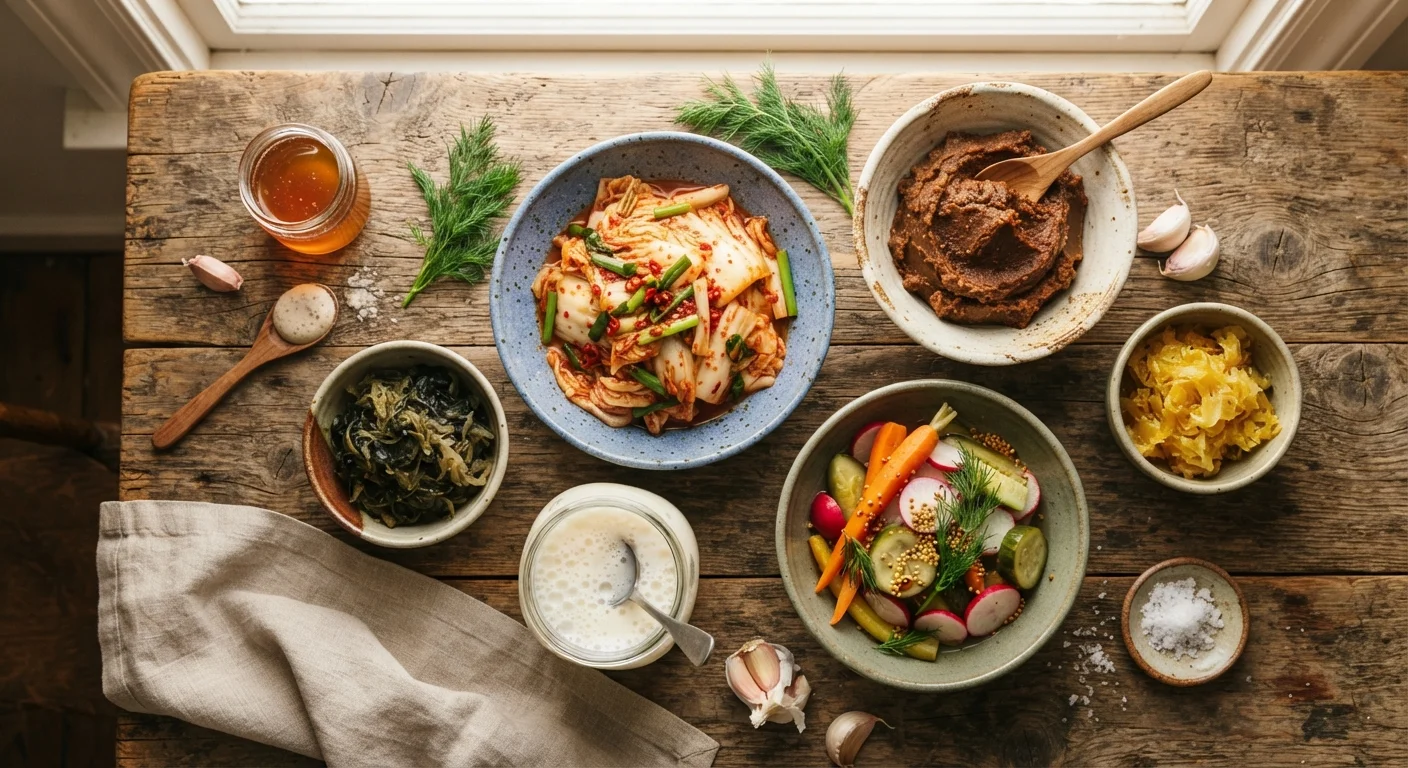
Photo credit: ResultsPivot.com | Discover Insightful Content!
Kimchi, tepache, miso, and kefir are showing up everywhere. Explore which fermented foods are genuinely trending and why.
Key Takeaways
- Fermented foods beyond kombucha are gaining real traction in US grocery stores and restaurants.
- Kimchi, miso, tepache, and kefir are among the most visible rising players right now.
- Flavor complexity — not just wellness appeal — is a major driver behind the fermentation boom.
- Global culinary influences are accelerating American interest in traditional fermented ingredients.
- Home fermentation is growing alongside restaurant and retail availability.
Fermentation's Big Moment in America
Kombucha blazed the trail — fizzy, tangy, and unmistakably alive — but it turns out it was just the opening act. American eaters have developed a genuine appetite for fermented foods in a far wider range, and the evidence is everywhere: kimchi stacked next to sauerkraut in mainstream grocery stores, miso paste showing up in salad dressings and chocolate chip cookies, and tepache pouring from draft handles at craft beverage bars.
The fermentation boom is being fueled by two forces working in tandem. The first is flavor: fermented foods carry deep, complex, often funky notes that scratch the same itch as the umami obsession sweeping American palates. The American appetite for savory depth has never been sharper, and fermentation delivers it in spades. The second force is cultural curiosity — global ingredients are no longer confined to specialty aisles, and international flavors are finding permanent homes in everyday US cooking.
Below, we dig into seven fermented foods that are genuinely having their moment right now — beyond the bottle of kombucha you already have in your fridge.
Kimchi
Once a niche Korean condiment in the US, kimchi has crossed into the mainstream with remarkable speed. You'll now find it at fast-casual restaurants, folded into grilled cheese sandwiches, layered onto burgers, and sold in oversized tubs at warehouse stores. It brings heat, funk, and acidity all at once — a flavor combination that's almost impossible to replicate any other way. Domestic producers are scaling up, and Korean American–owned brands are leading much of the growth.
Kimchi's heat, funk, and acidity deliver a flavor combination almost impossible to replicate any other way.
Miso
Miso has quietly escaped the soup bowl and started appearing in unexpected places: caramel sauces, roasted vegetables, butter for spreading on toast, and even baked goods. The aged soybean paste adds a rounded, savory backbone that home cooks and professional chefs alike have discovered is near-impossible to overuse. White (shiro) miso is the most accessible entry point, while red miso offers a bolder, more fermented punch.
Miso has escaped the soup bowl and started turning up in caramels, butters, and baked goods.
Tepache
Tepache is a lightly fermented Mexican beverage made from pineapple rinds, piloncillo (unrefined cane sugar), and spices. Traditionally a street drink in Mexico, it's now showing up at US craft beverage bars and even canned for retail shelves. It's lightly effervescent, gently sweet-tart, and low in alcohol — which makes it a compelling non-alcoholic option as well as a cocktail mixer. Its rise echoes the broader trajectory of Mexican culinary traditions finding mainstream US audiences.
Tepache — fermented pineapple rind — has traveled from Mexican street stalls to US craft beverage bars.
Kefir
Kefir is a tangy, pourable fermented dairy drink with origins in the Caucasus region. It's been available in US stores for years, but sales have surged as interest in fermented foods has grown. Drinkable kefir works as a smoothie base or a standalone snack; kefir-based dressings and dips are also gaining traction. Non-dairy kefir made from coconut milk or oat milk is broadening the audience further. It has a sharper, more complex tang than yogurt, which is precisely the appeal.
Kefir's sharp, complex tang goes well beyond yogurt — and non-dairy versions are widening its appeal.
Lacto-Fermented Hot Sauces
Not all hot sauce is fermented, but the lacto-fermented variety — where peppers are salt-brined and allowed to ferment before processing — has carved out a devoted following. The fermentation process rounds out the raw heat and adds layers of flavor that vinegar-based sauces simply can't match. Small-batch producers have driven most of the excitement here, and awareness has grown through farmers markets, food festivals, and food media coverage.
Fermentation rounds out raw heat in hot sauce and adds flavor layers that vinegar-based versions can't match.
Shrubs and Drinking Vinegars
Shrubs — concentrated syrups made by macerating fruit with vinegar and sugar — aren't fermented in the traditional microbial sense, but they occupy the same flavor territory and cultural moment. They deliver tartness and complexity in cocktails and mocktails alike, and their revival is part of the same consumer movement toward bright, acidic, layered flavors. America's forgotten drinking vinegars have a surprisingly rich history worth exploring.
Shrubs deliver the same tart, layered complexity that's driving the broader fermented beverage boom.
Fermented Chili Pastes (Gochujang and Beyond)
Gochujang — the Korean fermented chili paste — has become something of a poster child for the global flavor movement in the US. Its slow-fermented, deeply savory, mildly sweet heat profile is unlike anything made with fresh or dried chilies alone. It's now a fixture in mainstream grocery chains, and its success has opened the door for other fermented chili pastes from around the world. Doubanjiang from Sichuan cuisine is one of the next names food enthusiasts are starting to recognize.
Gochujang's fermented depth has made it a gateway ingredient for adventurous American home cooks.
What's Driving the Fermentation Obsession?
It would be easy to chalk all of this up to wellness trends, but the picture is more interesting than that. Yes, general awareness around gut health has grown — but food trend analysts note that fermented foods are sticking around because they taste exceptional, not just because they come with a health halo. The tang of lacto-fermented vegetables, the savory depth of aged miso, the refreshing tartness of kefir — these are genuinely craveable experiences.
Try Fermenting at Home
Home fermentation is more approachable than it might seem. Simple lacto-fermented vegetables — cucumbers, carrots, radishes — require only salt, water, and a clean jar. Starting with one straightforward project is a practical way to understand how fermentation works before exploring more complex preparations like kimchi or miso.
The social dimension matters too. Fermented foods are inherently storied — every jar of kimchi or crock of miso carries cultural history and craft. That narrative quality makes them highly shareable, which helps explain why they spread through food media and restaurant menus alike. Understanding how food trends form and spread helps put the fermentation wave in broader context.
For those curious about fermented beverages specifically, the category is expanding well beyond kombucha — drinking vinegars, kefir sodas, and fermented tonics are all worth exploring. The full world of what Americans are drinking right now is a fascinating place to browse.
Fermented Foods and Gut Health
There is active scientific interest in the relationship between fermented foods and gut microbiome health. However, the research is still evolving, and individual responses can vary considerably. Fermented foods are generally considered safe for most healthy adults as part of a varied diet, but anyone with specific digestive conditions or health concerns should consult a qualified healthcare professional before making significant dietary changes.

Author
Food & Drink Editorial Team
Food & Drink Editorial Team is the collective byline for our editorial team and contributor network. Articles published under this byline or an editorial pen name are researched, written, and reviewed according to our editorial standards for clarity, consistency, and independence before publication.
View all articles →