
Starting From Zero: A Beginner's Path to an Organised Home
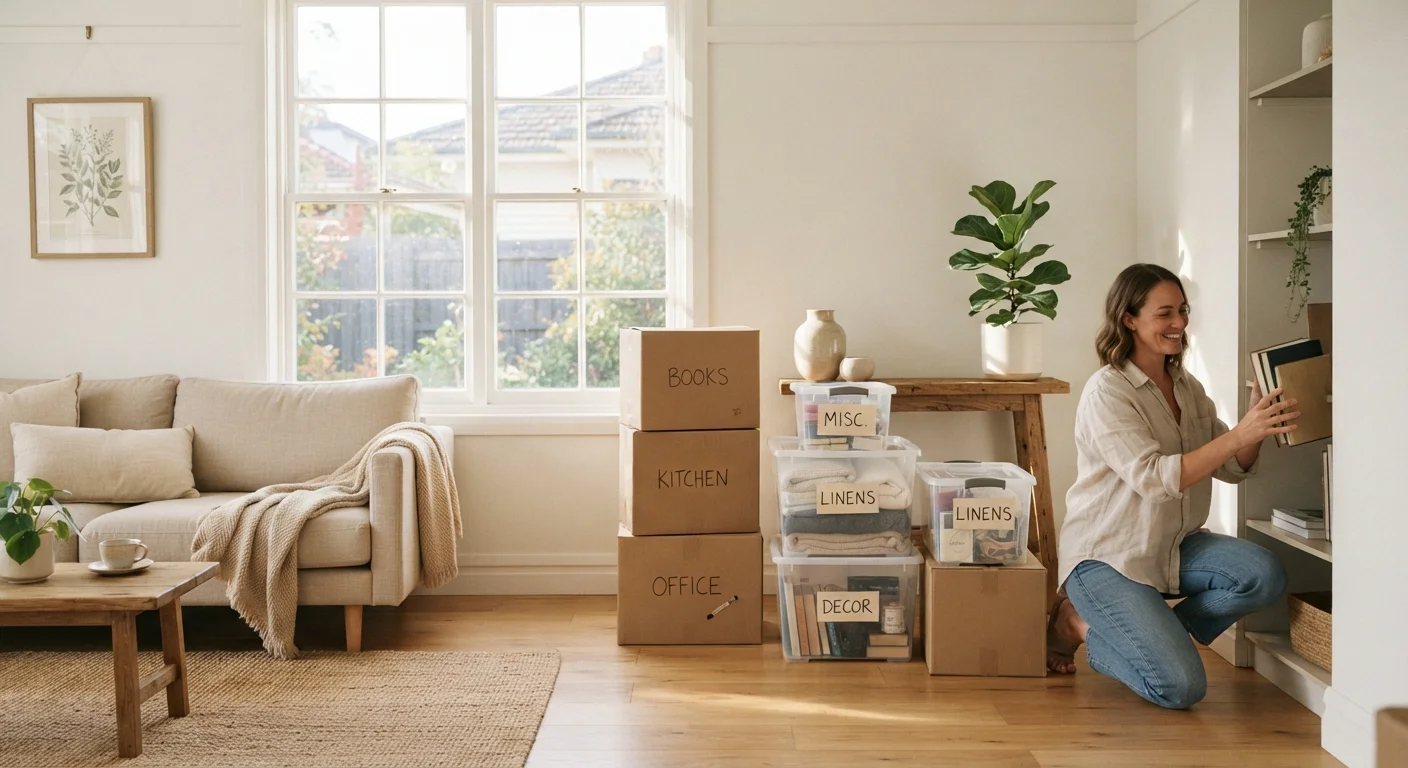
Photo credit: ResultsPivot.com | Discover Insightful Content!
In this article
Feeling overwhelmed by where to begin? This guide walks first-timers through the mindset, tools, and order of operations for organising a home.
Key Takeaways
- Declutter before you organise — adding storage to a cluttered space just hides the problem.
- Working room by room prevents the overwhelm of tackling everything at once.
- Functional zones and consistent labelling are what make organisation last beyond the first week.
- Small daily habits matter more than any single deep-clean session.
- You don't need expensive products — a clear system beats fancy bins every time.
Why Most People Struggle to Start
The most common reason people never get their homes organised isn't laziness — it's decision fatigue before they've touched a single drawer. Staring at a cluttered room and trying to figure out the whole solution at once is cognitively exhausting. The brain reads the mess as one giant problem when it's actually dozens of small, solvable ones.
There's also a widespread misconception that organisation requires a Pinterest-worthy setup or a weekend marathon session. Neither is true. Research into habit formation consistently shows that small, repeated actions outperform big one-time efforts. Expecting perfection from day one is a setup for abandoning the project by day three.
Start With One Small Win
Pick the single most annoying spot in your home — a junk drawer, a cluttered nightstand, one kitchen cabinet — and fully sort it before touching anything else. Finishing something concrete, however small, shifts your momentum from stuck to moving. That feeling is more motivating than any planning session.
The fix is to shrink the scope dramatically. Commit to one drawer, one shelf, or one corner — not a room, and certainly not a whole floor. Completing something small creates the forward motion that makes the next step feel possible.
The Right Order of Operations
Sequence matters more than most beginners realise. The biggest structural mistake is buying storage bins before deciding what to keep. Here's the order that actually works:
- Edit first. Pull everything out of the space and sort it into keep, donate, and discard. Be honest — if you haven't used it in over a year and it has no sentimental value, it's a candidate to go.
- Group what remains. Cluster like items together before putting anything back. This reveals how much you actually have of each category and where natural homes should be.
- Assign locations based on use frequency. Things you reach for daily belong at eye level and within arm's reach. Seasonal or rarely used items can live higher up or further back.
- Contain and label. Only now should you measure for bins or boxes. Labels aren't just for aesthetics — they remove the mental load of remembering where things live, especially for everyone else in the household.
For a room-by-room breakdown of this process, see our practical room-by-room checklist covering kitchens, bedrooms, bathrooms, and shared spaces. Once the basics are in place, the deeper principles behind zones, labels, and flow will help you understand why some systems hold and others collapse.
Don't Shop Before You Sort
Buying storage containers before you've decluttered is one of the most common and costly beginner errors. You'll likely buy the wrong sizes, too many of them, or items that don't suit what you're actually keeping. Always edit your belongings first, then measure and shop based on what's left.
Key Concepts and Tools to Know
Getting familiar with a few core ideas before you start will save you from repeating mistakes that even experienced organisers make.
Decluttering
The process of deciding which items to keep, donate, or discard — it always comes before organising, not after.
Zone
A designated area within a room dedicated to a specific activity or category of items, such as a "mail zone" near the front door or a "coffee station" on a kitchen counter.
Home (for an item)
The fixed, consistent location where a specific item is always stored. When every object has a home, putting things away becomes automatic rather than a decision.
Accumulation zone
A surface or area that tends to collect clutter quickly — common examples include kitchen counters, the top of dressers, and entryway tables.
Contain and label
The final step of organising: placing grouped items into containers and adding labels so the system is clear to everyone in the household and easy to maintain.
Daily reset
A short, consistent routine — usually five to ten minutes — where items that have moved throughout the day are returned to their designated homes before the end of the day.
On the practical tools side, you genuinely don't need much to get started. A marker and a roll of masking tape can stand in for a label maker. Cardboard boxes work as temporary bins while you figure out what size containers you actually need. The goal at the beginning is to establish the system — the physical products are secondary and can be upgraded later.
Room-by-Room Decluttering Checklist
A structured checklist that walks you through kitchens, bedrooms, bathrooms, and shared spaces so no area gets overlooked during a home edit.
Zones, Labels, and Flow
A deeper look at the functional principles behind lasting organisation — useful once you've completed your first declutter and want a system that actually holds.
Daily Home Routines Hub
A curated collection of everyday habits and routines to help you maintain what you've organised without spending hours on upkeep each week.
Building Habits That Actually Stick
An organised home isn't a state you achieve once — it's an ongoing practice. The people who maintain tidy spaces long-term aren't naturally tidier than everyone else; they've just built low-effort routines that prevent entropy from accumulating.
The most reliable anchor is a short daily reset — five to ten minutes, ideally at the same time each day, where everything that's drifted gets returned to its home. Evening works well for most households because it means waking up to a calm space. Pairing it with something you already do (brewing tea, brushing teeth) makes it easier to sustain.
Weekly, a slightly longer session — fifteen to thirty minutes — handles what the daily reset misses: wiping surfaces, checking that storage areas haven't started creeping back toward disorder, and doing a quick pass on any accumulation zones like a kitchen counter or entryway table.
For more detail on structuring this rhythm, our guide to building a weekly home routine from scratch is a logical next step. And if you want a curated list of the specific micro-habits that make the biggest difference, see small daily habits that keep a home feeling consistently calm.
Organisation Looks Different for Every Household
What works in a minimalist one-bedroom apartment may not translate to a busy family home with kids and pets. The principles — edit, group, assign, contain — stay the same, but the systems you build should reflect how your household actually lives, not an idealised version of it. Give yourself permission to adapt any approach you encounter.
Frequently Asked Questions

Author
Home & Living Editorial Team
Home & Living Editorial Team is the collective byline for our editorial team and contributor network. Articles published under this byline or an editorial pen name are researched, written, and reviewed according to our editorial standards for clarity, consistency, and independence before publication.
View all articles →