
Cottage Cheese's Unlikely Comeback: Nostalgia, Nutrition, and TikTok
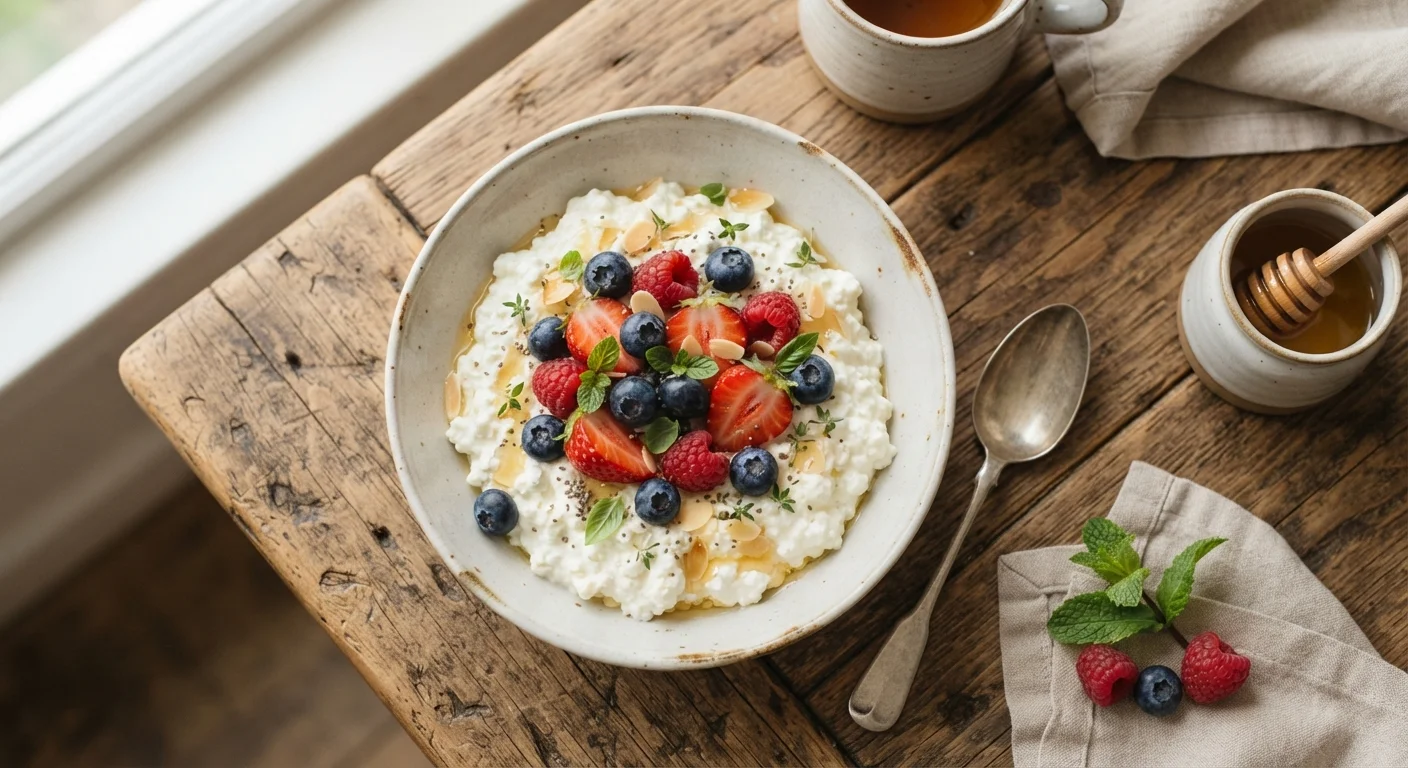
Photo credit: ResultsPivot.com | Discover Insightful Content!
In this article
Once dismissed as diet food from another era, cottage cheese is back in a big way. What's driving the revival?
Key Takeaways
- Cottage cheese sales in the US have surged following viral TikTok trends showcasing creative new uses.
- The food's high protein content aligns with a broader American shift toward protein-forward eating habits.
- Nostalgia is a genuine driver — millennials and Gen Z are reclaiming foods their parents ate unironically.
- Chefs and home cooks alike are using cottage cheese as a creamy base in savory and sweet recipes.
- The revival reflects a larger cultural pattern of 'ugly delicious' and underdog ingredients getting their moment.
From Diet Plate to TikTok Star
For much of the late 20th century, cottage cheese meant one thing: a scoop on the side of a sad diet plate, usually alongside canned peaches and a sense of mild deprivation. It was diet food coded with a particular kind of 1970s and 80s restraint — functional, joyless, and deeply uncool.
Then TikTok happened. Starting around 2022 and accelerating into 2023 and 2024, creators began posting cottage cheese recipes that looked nothing like what your parents ate. Blended smooth and tossed with pasta. Whipped into a high-protein frozen dessert. Layered into lasagna for a ricotta-style texture. The hashtag #cottagecheese accumulated hundreds of millions of views, and grocery store sales followed. According to market reports covered by food media outlets, cottage cheese sales climbed meaningfully as interest on social platforms spiked — a direct line from scroll to cart.
Hundreds of millions
TikTok views on #cottagecheese content
Food media and social analytics tracking revealed the hashtag's massive reach as cottage cheese recipes went viral in 2023–2024.
11–14g
Protein per half-cup serving
The protein content of cottage cheese makes it competitive with Greek yogurt, according to standard USDA nutritional data.
Decades
Years since cottage cheese was widely trendy
Cottage cheese dominated American diet culture through the 1970s and 80s before falling out of mainstream popularity.
The Protein Moment Behind the Movement
Cottage cheese didn't go viral in a vacuum. It landed at exactly the right moment in American food culture — a period of intense, widespread interest in dietary protein. Whether it's gym culture, macro-tracking apps, or the broader influence of high-protein diet philosophies, Americans across demographics have been paying close attention to the protein content of what they eat.
Cottage cheese delivers on that front in a compelling way. A half-cup serving typically contains somewhere between 11 and 14 grams of protein, depending on the variety and fat content. That makes it genuinely competitive with Greek yogurt, which has occupied the "high-protein dairy" throne for most of the past decade. Many creators and food writers have framed cottage cheese as the more versatile, lower-cost alternative — and for a protein-curious audience, that framing landed.
Try the Blended Cottage Cheese Method
If the texture of cottage cheese has always been a dealbreaker for you, blending it is genuinely transformative. A standard blender or food processor turns it silky smooth in under a minute. Try it as a pasta sauce base, a dip, or a swap for ricotta in baked dishes — the flavor is mild and creamy, and the protein stays intact.
Nostalgia as an Ingredient
Beyond nutrition, there's something emotionally resonant about cottage cheese's return. Food nostalgia has been one of the defining cultural undercurrents of the early 2020s, with TikTok playing a significant role in rehabilitating foods that once felt embarrassingly dated. It's a pattern seen across the food world — retro dishes get ironically reclaimed, then sincerely embraced.
Millennials who grew up watching parents eat cottage cheese with a grimace are now revisiting it on their own terms, finding genuine creativity in an ingredient they once considered boring. There's also a connection to the broader "cottagecore" aesthetic that swept social media — a romanticism around simple, homey, handmade living. (That trend has even influenced interior design; see how it translates into physical spaces in our look at cottagecore at home.)
“The foods people dismiss as dated often come back hardest, because they carry both genuine utility and emotional memory. Cottage cheese is a perfect example — it never stopped being nutritious; it just stopped being cool. Now it's both.”
— A food culture commentator, Food trend analyst and culinary writer
What the Revival Actually Looks Like in Kitchens
The most significant shift in cottage cheese's comeback isn't just that people are eating it again — it's how they're using it. The blended cottage cheese technique is perhaps the most transformative development: when blitzed in a blender, cottage cheese becomes smooth and creamy, losing its lumpy texture entirely and opening up applications that would have seemed bizarre a few years ago.
Cooks are swapping it in for ricotta in baked pasta dishes, using it as a pizza topping base, mixing it into scrambled eggs for extra creaminess, and building savory bowls topped with roasted vegetables, olive oil, and chili flakes. On the sweet side, cottage cheese ice cream — churned or frozen directly — became one of the year's most shared food hacks. The versatility is real, and that's ultimately what sustains a trend beyond its viral peak.
What makes cottage cheese's moment feel different from a typical food fad is that its appeal is grounded in something practical. Protein content matters to a wide range of people, the ingredient is widely available, and the techniques for using it creatively are genuinely approachable. That's a recipe — pun intended — for staying power.
Not All Cottage Cheese Is the Same
Cottage cheese comes in multiple fat levels — nonfat, low-fat, and full-fat — as well as different curd sizes (small curd vs. large curd), and salt content varies by brand. For blending and cooking applications, most recipes work across fat levels, though full-fat versions tend to produce a richer result. Reading the nutrition label is worthwhile if sodium content is a consideration for you.
Frequently Asked Questions

Author
Food & Drink Editorial Team
Food & Drink Editorial Team is the collective byline for our editorial team and contributor network. Articles published under this byline or an editorial pen name are researched, written, and reviewed according to our editorial standards for clarity, consistency, and independence before publication.
View all articles →