
Chasing Umami: Why Americans Are Obsessed With Depth of Flavor
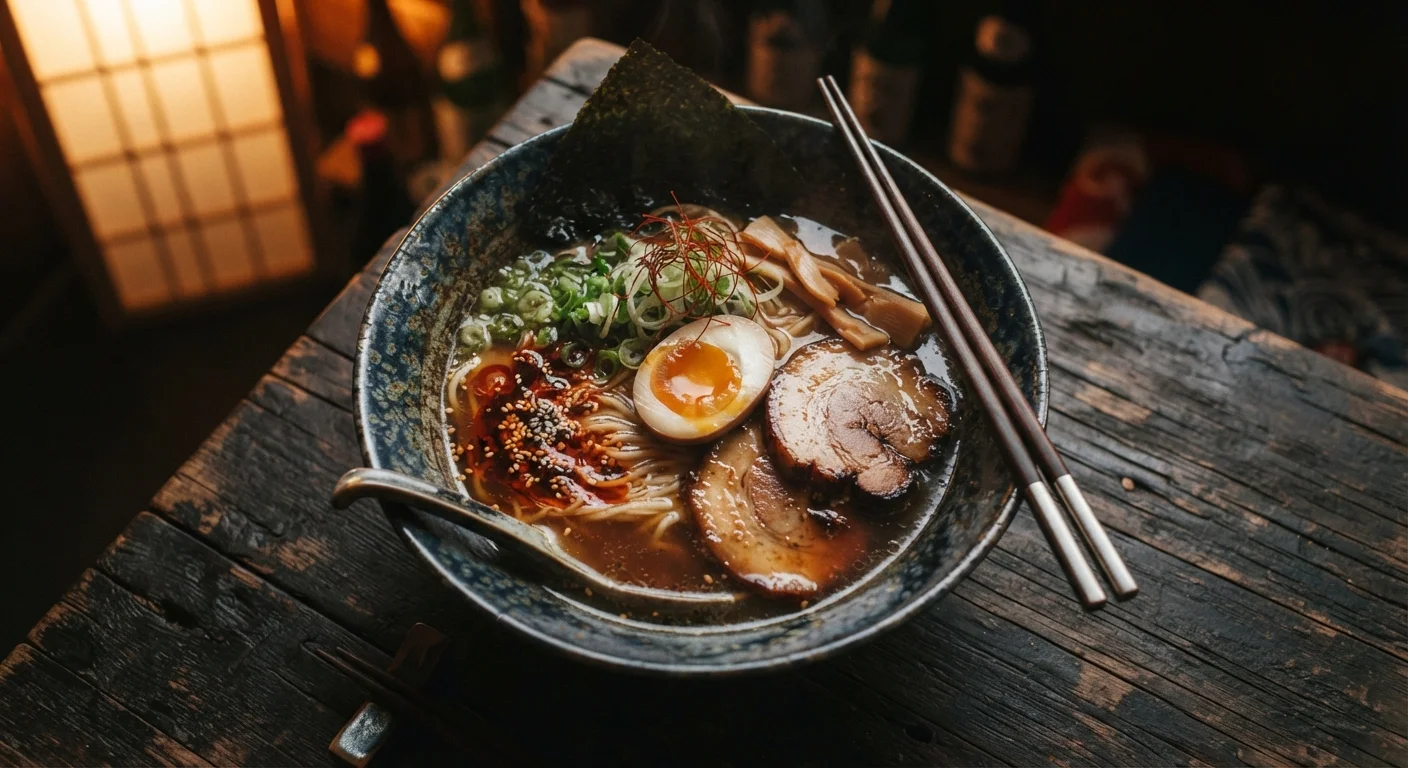
Photo credit: ResultsPivot.com | Discover Insightful Content!
In this article
Umami isn't new, but the American appetite for savory complexity has never been more visible. What's behind the shift in how the US eats?
Key Takeaways
- Umami is the fifth basic taste — savory, lingering, and deeply satisfying — found naturally in hundreds of common foods.
- American palates have shifted noticeably toward complexity, driving demand for fermented, aged, and slow-cooked ingredients.
- Global cuisines that have long relied on umami-rich staples are now central influences on mainstream US cooking.
- Food science and social media together have made umami a culturally fluent concept for everyday American eaters.
- Understanding umami can help cooks build more satisfying dishes using simple, accessible pantry ingredients.
The Fifth Taste That Took a Century to Name
In 1908, Japanese chemist Kikunae Ikeda was eating a bowl of dashi — the delicate seaweed-and-fish broth foundational to Japanese cooking — and became fixated on a flavor that didn't fit neatly into the four tastes science recognized at the time. He isolated glutamate from kombu kelp, named the sensation umami (loosely translated as "pleasant savory taste"), and proposed it as a fifth basic taste. Western food science took nearly a century to fully agree with him.
Today, umami is everywhere in American food culture — in food media, on restaurant menus, in home-cook conversations on social platforms. The shift isn't just semantic. It reflects something genuine about how US palates are evolving and what Americans are actively craving in their food.
1908
Year umami was first scientifically identified
Japanese chemist Kikunae Ikeda isolated glutamate from kombu seaweed and proposed umami as a fifth basic taste.
Top 5
Miso's rank among fastest-growing US pantry ingredients
Industry trend tracking by Whole Foods Market has repeatedly listed miso and fermented staples among top emerging pantry trends in recent years.
3x
Synergistic umami boost from combining glutamate and nucleotides
Food science research shows that pairing glutamate-rich foods with inosinate or guanylate sources can multiply perceived umami intensity significantly.
Why the American Appetite Is Moving Toward Depth
For much of the 20th century, mainstream American food was built around bold, immediate flavors — salt, sweet, and fat doing most of the heavy lifting. Convenience foods optimized for these notes dominated grocery shelves and family tables alike. But something has shifted over the past two decades.
Broader exposure to global cuisines — Japanese ramen, Korean doenjang jjigae, Italian salumi, Vietnamese pho — introduced American eaters to a different kind of satisfaction: layered, lingering, complex. These cuisines had been building umami into their food for generations through fermentation, aging, drying, and slow cooking. When Americans encountered that depth regularly, they started seeking it out. Global flavors are increasingly finding a permanent home in American kitchens, and umami-rich ingredients are leading that charge.
“Umami is what makes food satisfying rather than just flavorful. It's the reason a soup tastes finished or unfinished — it's depth, not volume.”
— J. Kenji López-Alt, Culinary author and food science writer
Social media has also played an unexpected role. Short-form video formats reward food that photographs well and tastes memorably satisfying — exactly the territory umami occupies. When a food creator explains why adding a spoonful of miso to your butter pasta is revelatory, millions of home cooks get an accessible entry point into flavor science.
The Ingredients Driving the Umami Surge
Several ingredients have moved from specialty store curiosities to mainstream pantry staples largely on the strength of their umami content. Miso paste, once confined to Japanese restaurants, now shows up in salad dressings, caramel sauces, and roasted vegetables. Fish sauce — pungent straight from the bottle, but transformative in small amounts — has become a go-to secret weapon for home cooks building depth in braises and marinades.
Fermentation deserves particular credit here. The fermentation process concentrates glutamate naturally, which explains why foods like aged cheeses, kimchi, soy sauce, and cured meats punch so far above their weight in terms of flavor impact. Fermented foods are showing up across American menus beyond the kombucha boom, and their shared umami quality is a significant part of the appeal.
Stack Your Umami Sources for Maximum Depth
The most effective way to build umami at home is to layer multiple sources rather than relying on just one. Try combining a parmesan rind in a simmering soup with a dash of soy sauce and a few reconstituted dried mushrooms — each adds a different umami compound, and together they create a depth that's hard to achieve with any single ingredient alone.
Dried and aged ingredients — parmesan rinds, dried shiitake mushrooms, sun-dried tomatoes, anchovies — are similarly powerful. They share the trait of having water removed and umami compounds concentrated, making them efficient flavor amplifiers even in small quantities.
Umami as a Cultural Moment
The umami conversation is also a cultural one. As American food culture has grown more globally curious and food-literate, the appetite for understanding why food tastes the way it does has deepened. Umami gives eaters a useful framework — a word and a concept — that helps articulate something they've always experienced but couldn't easily name.
That's part of what makes it stick as a trend rather than fading as a fad. Understanding how food trends actually form helps explain why umami has had staying power: it's rooted in something biological and universal, not just a visual gimmick or novelty ingredient. Everyone responds to umami — the concept just finally has its moment.
Chefs and home cooks alike are now actively building umami into their cooking as a deliberate strategy, not a happy accident. Whether it's a splash of Worcestershire in a weeknight chili or a carefully constructed shared-table menu designed around layered savory flavors, Americans are chasing that depth more intentionally than ever.
Umami and MSG: Separating Fact from Myth
MSG (monosodium glutamate) became controversial in the US in the late 1960s following anecdotal reports linking it to discomfort — claims that subsequent scientific research has not broadly supported. Major food and health regulatory bodies, including the FDA, classify MSG as generally recognized as safe. The glutamate in MSG is chemically identical to the glutamate found naturally in tomatoes, cheese, and mushrooms. Cultural biases rather than scientific evidence largely drove MSG's negative reputation in the American market.
Frequently Asked Questions

Author
Food & Drink Editorial Team
Food & Drink Editorial Team is the collective byline for our editorial team and contributor network. Articles published under this byline or an editorial pen name are researched, written, and reviewed according to our editorial standards for clarity, consistency, and independence before publication.
View all articles →