
Biophilic Design: Why Living Walls and Natural Materials Are Reshaping Modern Interiors
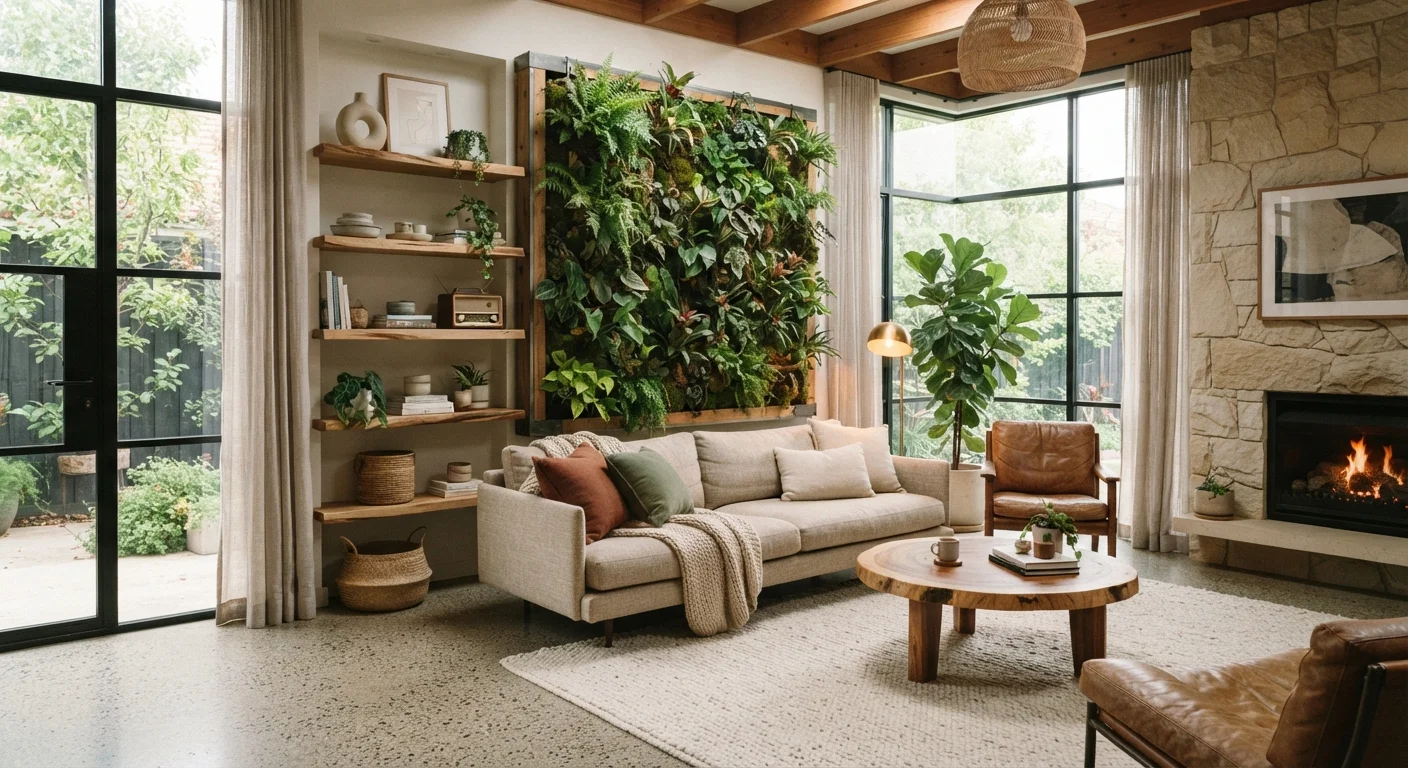
Photo credit: ResultsPivot.com | Discover Insightful Content!
In this article
Biophilic design brings nature indoors. Explore how living walls, raw wood, and stone are transforming everyday living spaces.
Key Takeaways
- Biophilic design goes beyond houseplants — it's a whole-space philosophy rooted in our connection to nature.
- Living walls, natural wood, stone, and abundant daylight are the most common design expressions of the trend.
- The approach is scalable: small apartments and large homes alike can adopt biophilic principles.
- Maintenance is a real consideration, especially for living walls and moisture-sensitive materials.
- Growing interest in well-being at home has pushed biophilic design from niche to mainstream.
From Concept to Living Room: What Biophilic Design Actually Means
For most of human history, people lived close to natural materials, light cycles, and living things. Modern construction changed that almost entirely — sealed buildings, synthetic surfaces, and artificial light became the norm. Biophilic design is, in many ways, a deliberate correction to that shift.
In practical terms, a biophilic interior might feature a moss wall panel above a reading nook, exposed reclaimed timber ceiling beams, stone countertops left deliberately rough, or floor-to-ceiling windows framing a courtyard garden. What unifies these choices is intent: every element is selected to evoke or replicate the sensory qualities of the natural world.
“Biophilic design isn't about decorating with plants — it's about creating conditions where the built environment supports our basic need to connect with living systems.”
— Stephen Kellert, Pioneer of biophilic design theory and author of foundational research on the human-nature connection in architecture
This isn't a brand-new idea — architects like Frank Lloyd Wright built entire philosophies around integrating interior spaces with their surroundings. What's changed is that biophilic design has moved from high-end architecture into mainstream interior styling, driven partly by growing consumer interest in home well-being.
Living Walls: The Centerpiece of the Trend
No element defines the current wave of biophilic interiors quite like the living wall — a vertical surface planted with ferns, pothos, sedums, mosses, and other species suited to indoor growing conditions. They function as both focal point and air-quality feature, though the extent of any measurable air-purification effect in a typical room depends heavily on wall size and ventilation.
68%
Homeowners interested in nature-inspired design
A Houzz survey of US homeowners found that a significant majority expressed interest in incorporating natural elements when renovating or decorating interiors.
14%
Reported rise in living wall installations
Industry observers across the US interior landscaping sector have noted consistent year-over-year growth in residential living wall projects over recent years.
Modular panel systems have made living walls significantly more accessible to homeowners. Irrigation is often built in, and plants can be swapped out seasonally. That said, they do require a real maintenance commitment: inadequate light or inconsistent watering will cause plant loss. Preserved moss panels sidestep most of this — they require no water or light and hold their color for years — making them a practical alternative for spaces where a fully living installation isn't feasible.
Choose Plants Matched to Your Light Conditions
Before selecting species for a living wall, honestly assess the natural light available in the space. North-facing rooms with limited direct sun suit low-light species like pothos, ZZ plants, and certain ferns. South or west-facing walls can support a wider range including succulents and tropical varieties. Matching plants to conditions is the single biggest factor in long-term success.
Natural Materials: Wood, Stone, and Texture as Design Language
Beyond vertical greenery, biophilic design relies heavily on raw and minimally processed materials. Live-edge wood slabs, where the natural contour of the tree is preserved rather than trimmed square, have become a signature element in dining tables and shelving. Stone — whether travertine, slate, or limestone — is being used in kitchens, bathrooms, and living spaces with deliberately unpolished finishes that emphasize its natural variation.
Softer natural materials play an equally important role. Linen upholstery, jute rugs, rattan light fixtures, cork wall tiles, and clay plaster walls all introduce texture that engages the senses differently than flat painted drywall or vinyl flooring. The cumulative effect is a room that feels layered and grounded rather than sterile.
Color palettes in biophilic spaces tend toward earthy neutrals — warm terracottas, sage greens, deep ochres, and raw whites — chosen to complement rather than compete with natural materials and plant life.
Bringing Biophilic Principles Into Your Own Home
You don't need to commission a custom living wall installation to engage with biophilic design. The underlying principle is simply creating more sensory contact with natural elements, and that's achievable at any scale.
Natural Materials and Moisture: A Practical Note
Wood, stone, cork, and clay plaster all respond to humidity and moisture differently than synthetic alternatives. In bathrooms or kitchens, natural materials generally require sealing, careful maintenance, and attention to ventilation. Consult a materials specialist or contractor before installing raw or porous natural surfaces in high-moisture areas to avoid premature deterioration or mold risk.
Start by auditing your light. Natural daylight is one of the most powerful biophilic elements available, and it costs nothing to maximize. Removing heavy drapes, repositioning furniture away from windows, or adding a skylight mirror to bounce light deeper into a room can meaningfully shift how a space feels.
From there, consider swapping one synthetic surface for a natural one — a jute runner instead of a polyester rug, a reclaimed wood shelf in place of a laminate one. Add plants strategically where they'll actually survive your light conditions rather than placing them decoratively and letting them decline. Small, considered changes applied consistently produce a more genuinely biophilic environment than a single expensive installation surrounded by otherwise synthetic materials.
Frequently Asked Questions

Author
Home & Living Editorial Team
Home & Living Editorial Team is the collective byline for our editorial team and contributor network. Articles published under this byline or an editorial pen name are researched, written, and reviewed according to our editorial standards for clarity, consistency, and independence before publication.
View all articles →