
Reading Your Pet's Body Language During a Vet Visit
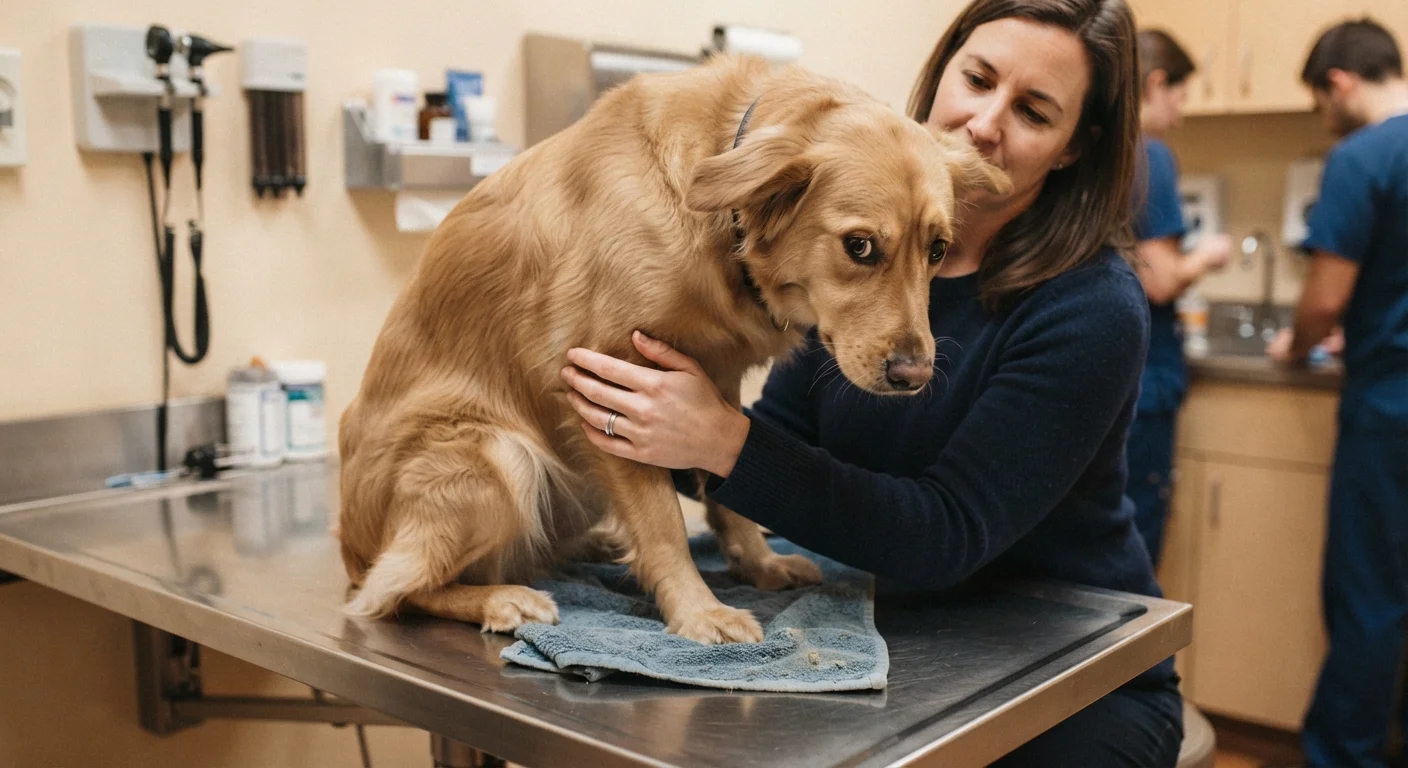
Photo credit: ResultsPivot.com | Discover Insightful Content!
In this article
Stress signals in dogs and cats can escalate quickly at the clinic. Knowing what to watch for helps you support your pet better.
Key Takeaways
- Stress signals in pets often appear before obvious panic — catching them early makes a real difference.
- Dogs and cats display stress differently; knowing species-specific cues helps you respond appropriately.
- Simple, proactive steps before and during the visit can lower your pet's anxiety noticeably.
- Communicating what you observe to your vet improves the quality of care your pet receives.
- Never punish fear-based behavior at the clinic — it intensifies stress and erodes trust.
Why Vet Visits Trigger Stress — and Why It Matters
The veterinary clinic is a sensory ambush for most pets. Unfamiliar smells (antiseptic, other animals, fear pheromones), strange surfaces, unusual sounds, and handling by strangers all arrive at once. Unlike humans, pets can't rationalize that the experience is temporary or beneficial. What they register is threat — and their bodies respond accordingly.
This matters for more than comfort reasons. A pet in significant distress may show elevated heart rate, tense muscles, or guarded breathing, all of which can complicate an accurate physical exam. Stress also suppresses immune function temporarily and can make blood pressure readings unreliable. Understanding and responding to body language isn't just about being a kind owner — it actively supports the quality of the medical care your pet receives.
The good news: stress signals follow a recognizable progression, and catching them early gives you real room to intervene. Many behavioral and physical cues are easy to miss unless you know what you're looking for — and the vet visit is one place that knowledge pays off immediately.
What you will need
Step-by-Step: Reading and Responding to Your Pet's Signals
Familiar blanket or worn T-shirt
Placing a home-scented item in the carrier or on the exam table provides olfactory comfort to a stressed pet.
High-value treats
Used to create positive associations and redirect a mildly anxious pet's attention during the visit.
Calming pheromone spray (species-specific)
Synthetic pheromone sprays designed for dogs or cats can be applied to carriers or bedding before the trip to reduce travel anxiety.
Learn your pet's baseline body language at home
Before you can spot stress, you need to know what relaxed looks like for your individual animal. A loose, wiggly dog with soft eyes and a neutral tail is at ease. A cat who moves freely, blinks slowly, and holds their tail upright is content. Feline communication goes deep — even small postural shifts carry meaning. Spend a few minutes observing your pet during calm, routine moments so deviations become obvious.
Recognize early stress signals in the waiting room
The waiting room is where anxiety typically begins. Early signals in dogs include: yawning outside of tiredness, lip-licking, nose-licking, turning their head away, sudden sniffing at the ground, or a tucked tail. In cats, watch for wide pupils, ears rotating sideways or flattening, crouching low in the carrier, or hiding their face. Tail position and movement reveal a lot about your dog's emotional state — a stiff, low tail is very different from a neutral wag.
Identify escalating signals on the exam table
Once on the exam table, stress can ramp up quickly. In dogs, watch for: trembling, panting without heat, whites of eyes showing (called "whale eye"), ears pinned flat, or freezing completely still. Cats under duress may hiss, growl, attempt to bolt, or go rigidly tense. A cat that suddenly becomes very still and stiff is not calm — it's often a sign of fear-based shutdown. These signals indicate the pet is approaching or at their stress threshold.
Use calm, low-key responses — not reassurance overload
When you notice stress signals, your instinct may be to comfort your pet with excited baby talk or repeated petting. In practice, overly emotional responses can amplify anxiety by signaling that there is indeed something to worry about. Instead, keep your voice low and even, avoid hovering over your pet's head (which reads as threatening), and offer steady contact at the shoulder or chest if your pet leans into it. Your own relaxed posture communicates safety more than words.
Communicate what you're observing to the veterinary team
You know your pet better than anyone in that room. If you've noticed specific triggers — certain handling positions, sounds, or past exam experiences that went badly — mention them before the exam begins. Describing what you're seeing in real time ("her ears just went flat" or "he's starting to pant") helps the vet and technician adjust their pace and technique. Many clinics now use low-stress or fear-free handling approaches and welcome this kind of owner input. For context on why routine visits matter even when your pet seems calm, see our piece on why 'my pet seems fine' isn't the same as preventive care.
Practice Calm Carrier Trips Before the Appointment
Leave your cat's carrier out at home with a familiar blanket inside so it stops feeling like a threat. For dogs, short, uneventful car rides to the clinic parking lot — without an appointment — can reduce anticipatory anxiety over time. These small habituation steps add up significantly.
Don't Dismiss Low-Level Stress Signals
Yawning, lip-licking, and looking away are easy to miss or misread as boredom. These are actually early stress indicators, and ignoring them means the window to de-escalate closes quickly. Acting on mild signals is far more effective than trying to comfort a pet that's already in full panic mode.
Fear Can Escalate to Aggression
A pet showing stress signals is not being stubborn or difficult — they are genuinely overwhelmed. Forcing physical interaction or raising your voice when a pet is already stressed can push them past their threshold into defensive behavior. If your pet appears close to biting or scratching, calmly alert clinic staff so they can adjust their approach safely.
Understanding stress signals also helps outside the clinic. Routine disruptions — like a vet trip — can unsettle even calm pets, and recognizing that pattern makes you a more attuned owner day-to-day. For a broader foundation on keeping your pet healthy between visits, explore the Pet Care Basics hub.
This article is for general informational purposes only and is not a substitute for professional veterinary advice. Always consult your veterinarian regarding your pet's specific health and behavioral needs.

Author
Pets Editorial Team
Pets Editorial Team is the collective byline for our editorial team and contributor network. Articles published under this byline or an editorial pen name are researched, written, and reviewed according to our editorial standards for clarity, consistency, and independence before publication.
View all articles →