
Why 'My Pet Seems Fine' Isn't the Same as Preventive Care
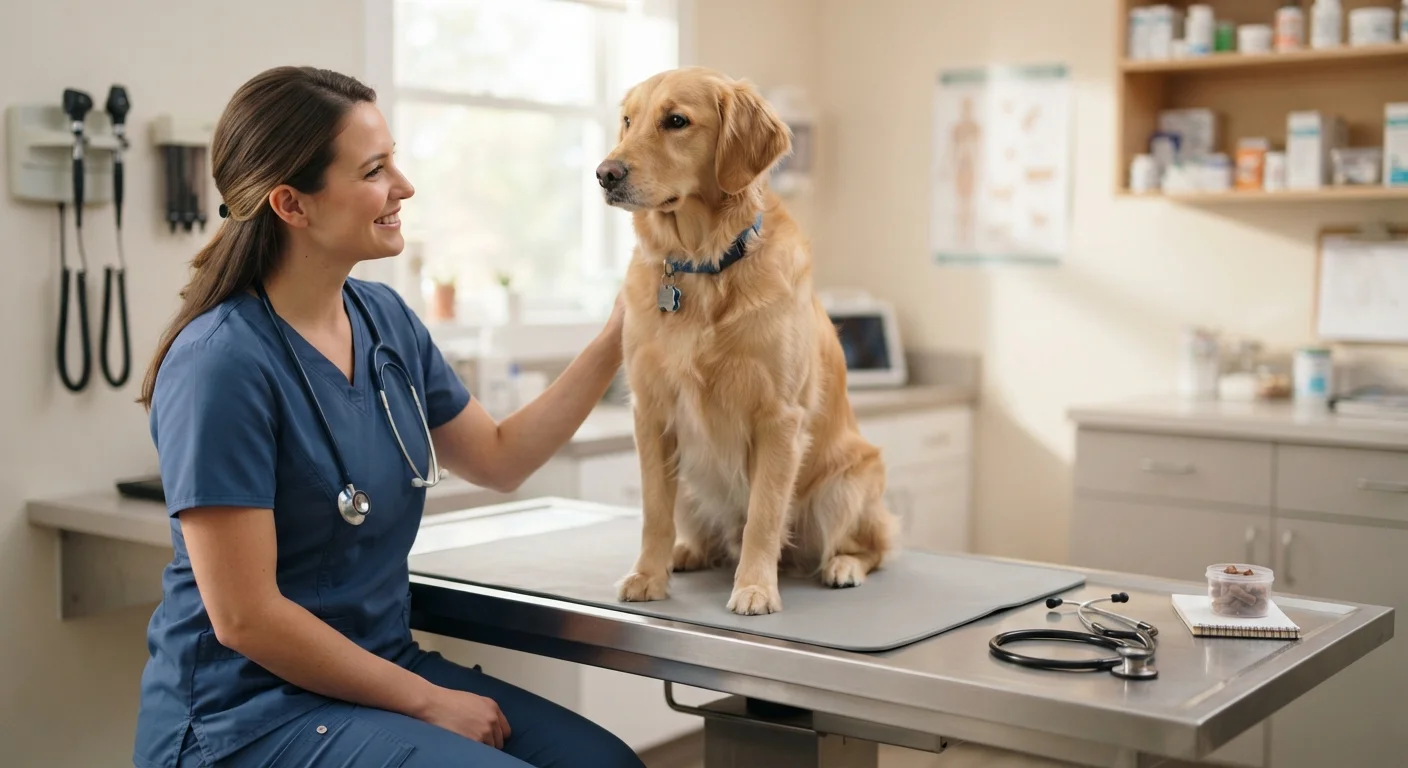
Photo credit: ResultsPivot.com | Discover Insightful Content!
In this article
Many pet health problems are caught late because owners wait for visible symptoms. Here's what proactive pet care actually involves.
Key Takeaways
- Many serious pet health conditions develop silently, long before visible symptoms appear.
- Annual or biannual vet visits catch problems that owners cannot detect at home.
- Preventive care includes parasite control, dental health, weight monitoring, and vaccinations — not just illness response.
- Pets instinctively hide discomfort, making owner observation alone an unreliable health gauge.
- Early detection of conditions like kidney disease or dental disease dramatically improves outcomes.
The Gap Between 'Looks Fine' and 'Is Fine'
Most of us became pet owners because we love animals — and that love naturally makes us attentive to how our pets seem day to day. The problem is that "seeming fine" and "being healthy" are two very different things, and the gap between them is exactly where preventive care lives.
Pets can't tell us when something feels off. What they can do is compensate remarkably well, often maintaining their normal routines while a health issue quietly develops. Subtle signs of illness are frequently missed even by observant, caring owners — not because they're not paying attention, but because the signals are genuinely hard to spot without training and tools.
Preventive care isn't a response to illness. It's the system designed to keep illness from going undetected in the first place.
Myth
If my pet is eating, playing, and acting normal, they must be healthy.
Fact
Normal behavior can persist even when underlying health problems are developing, because many conditions progress gradually and pets instinctively hide discomfort.
It's one of the most common assumptions in pet ownership — and one of the most misleading. Conditions like early kidney disease, dental infections, and hypertension rarely announce themselves with dramatic symptoms. A dog can wag its tail and finish its dinner while quietly dealing with a painful tooth root abscess. Cats are especially skilled at masking illness, often showing no obvious behavioral change until a condition is quite advanced.
Behavioral normalcy is reassuring, but it's not a substitute for professional assessment. Veterinarians use blood panels, urinalysis, and physical exams to detect shifts that no amount of at-home observation can reveal.
Myth
Annual vet visits are only necessary when something seems wrong.
Fact
Routine wellness exams are designed specifically to identify problems before symptoms appear — waiting for a problem to show itself defeats their purpose.
Think of a wellness visit the way you'd think of a routine physical for yourself: it's not because you feel sick, it's because prevention and early detection are far more effective (and generally less costly) than treating an advanced condition. Vets check weight trends, organ function, joint health, dental condition, and more — all of which can shift quietly over time.
For senior pets (generally dogs over 7 and cats over 10), many veterinarians recommend biannual exams, since aging animals can experience rapid health changes. Even young, seemingly robust pets benefit from establishing a health baseline that makes future comparisons meaningful.
Myth
Dental health isn't a big deal unless my pet stops eating.
Fact
Dental disease is one of the most common and underdiagnosed conditions in pets, and it can affect organ health long before eating behavior changes.
Studies suggest the majority of dogs and cats show signs of dental disease by age three — yet most owners never notice, because pets rarely refuse food even when their mouths are painful. Left unaddressed, bacteria from diseased gums can enter the bloodstream and contribute to heart, liver, and kidney problems over time.
Preventive dental care — professional cleanings, at-home brushing where tolerated, and appropriate dental chews — is a meaningful part of overall wellness. Your vet can assess dental health during routine visits and advise on the right approach for your specific pet.
Myth
Indoor pets don't need parasite prevention since they're never outside.
Fact
Parasites like fleas, ticks, and intestinal worms can be carried indoors by humans, other animals, or through open windows — indoor-only pets are not fully protected.
It's easy to assume that a cat who never ventures past the front door or a lap dog with minimal outdoor exposure is safe from parasites. In reality, fleas can hitch a ride on clothing or other pets, mosquitoes carrying heartworm can enter any home, and some intestinal parasites have environmental transmission routes that don't require direct outdoor contact.
Your veterinarian can help you determine which preventive protocols make sense for your pet's specific lifestyle and geographic region. Skipping prevention entirely based on indoor status is a gamble that most vets advise against.
Myth
Weight gain in pets is mostly cosmetic and not a real health concern.
Fact
Excess weight in pets is linked to shorter lifespans and significantly higher risk of joint disease, diabetes, and certain organ conditions.
Pet obesity has become genuinely widespread, and its health consequences are well-documented in veterinary literature. Carrying extra weight stresses joints, worsens breathing in flat-faced breeds, accelerates the progression of arthritis, and increases the risk of metabolic conditions. Yet because weight gain happens gradually, many owners simply adjust to what their pet looks like and stop recognizing it as a concern.
Body condition scoring — a standardized method vets use to assess healthy weight — is something you can learn to do at home between visits. For more on feeding habits that support long-term health, see our guide to feeding schedules and portion sizes.
What Proactive Pet Care Actually Looks Like
Preventive care is more than scheduling a vet appointment when your pet seems off. It's a consistent set of habits and professional checkpoints that give your pet the best shot at a long, comfortable life.
Pets Often Hide Pain and Illness
Dogs and cats are instinctively wired to mask signs of weakness — a survival trait inherited from wild ancestors. By the time a pet shows obvious symptoms, a health problem may already be well advanced. Relying solely on visible cues to judge your pet's health puts them at a serious disadvantage. Regular professional evaluations are the only reliable way to catch what you can't see.
On the home side, it means monitoring weight and appetite trends, keeping up with parasite prevention year-round, brushing teeth or providing dental support, and staying current on vaccinations. It also means knowing your individual pet well enough to notice when something — however subtle — has shifted. Our piece on what pets actually need from you every day covers the daily routines that form the foundation of good care.
On the professional side, it means routine wellness exams even when your pet appears healthy, age-appropriate screening bloodwork, and a relationship with a vet who knows your pet's individual baseline. That baseline is invaluable — it's what makes early changes detectable.
80%
Dogs showing dental disease signs by age 3
According to the American Veterinary Medical Association, dental disease is among the most common conditions seen in companion animals, often progressing without obvious symptoms.
50%+
US pets estimated to be overweight or obese
The Association for Pet Obesity Prevention has reported in annual surveys that more than half of US dogs and cats are classified as overweight or obese by their veterinarians.
Understanding your pet's behavior is also part of the picture. Changes in how your pet moves, interacts, or responds to their environment can be early signals. Explore the Pet Behavior hub for guidance on reading what your animal is communicating.
This article is for general informational purposes only and is not a substitute for professional veterinary advice. Always consult a licensed veterinarian regarding your pet's health, diagnosis, or treatment.

Author
Pets Editorial Team
Pets Editorial Team is the collective byline for our editorial team and contributor network. Articles published under this byline or an editorial pen name are researched, written, and reviewed according to our editorial standards for clarity, consistency, and independence before publication.
View all articles →