
Before You Buy: A Consumer's Pre-Purchase Checklist
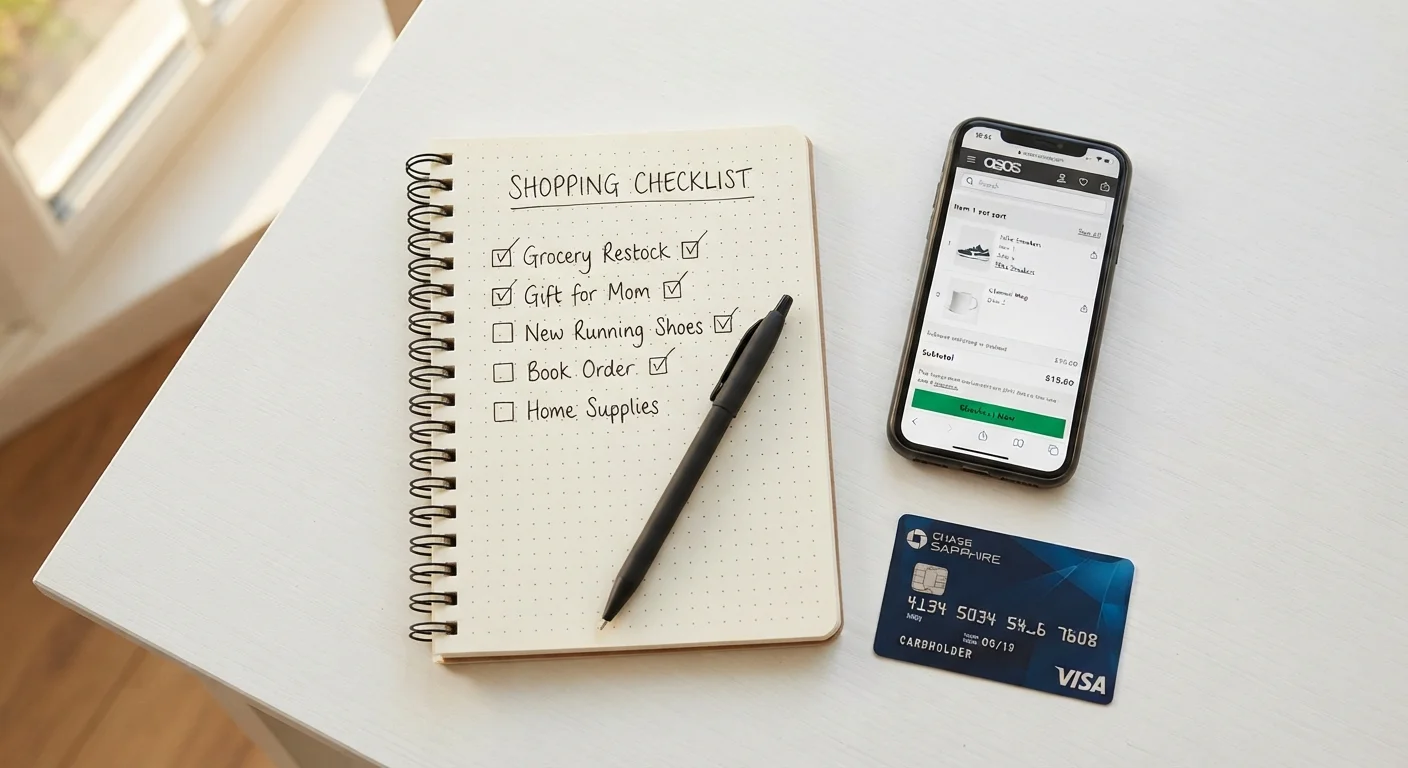
Photo credit: ResultsPivot.com | Discover Insightful Content!
In this article
A practical checklist covering returns policy, seller legitimacy, warranty terms, and price history before you commit to a purchase.
Key Takeaways
- Verifying a seller's legitimacy before purchase can protect you from fraud and poor service.
- Understanding the returns policy before checkout is just as important as the price tag.
- Price history tools reveal whether a listed price is genuinely competitive.
- Warranty terms often contain exclusions that aren't obvious at the point of sale.
- Impulse purchases are significantly reduced by a structured pre-purchase pause.
Why a Pre-Purchase Checklist Pays Off
Most purchase regret doesn't come from buying the wrong product — it comes from skipping steps that would have flagged the problem in advance. A missing returns window, a seller with no verifiable address, or a warranty that only covers manufacturing defects you'll never encounter: these details hide in plain sight.
This checklist is designed to slow you down just enough to spot them. Work through it before committing to any purchase you'd be frustrated to lose money on. For a deeper look at the protections you're legally entitled to, see Your Consumer Rights in Plain Language.
If your spending habits go deeper than individual purchases — covering why sale prices aren't always cheaper and why premium doesn't always mean better — Shopping Myths That Cost People Money is worth a read too.
Seller Legitimacy
Returns and Refund Policy
Price and Value
Warranty and After-Sale Support
Payment Safety
Tools That Make This Easier
You don't need specialist software to run through this checklist, but a few free tools make specific steps faster and more reliable. Here's what we'd recommend having open in a tab before you start.
Price history browser extension
Displays a product's price history over time so you can see whether a 'sale' price is genuinely discounted.
WHOIS domain lookup
Reveals when a website's domain was registered and who owns it — useful for flagging very new or anonymised seller sites.
Better Business Bureau (BBB) search
Lets you check whether a US-based business has unresolved complaints filed against it.
Credit card with purchase protection
Provides chargeback rights and, on some cards, extended warranty coverage that kicks in automatically at purchase.
Free Browser Extensions Can Collect Your Data
Price-tracking and coupon extensions can be genuinely useful, but not all of them are privacy-neutral. Before installing any browser extension, check its permissions and read independent reviews. Some extensions share browsing data with third parties as part of their business model — a trade-off worth understanding before you opt in.
A Note on Bigger Purchases
The higher the price, the more every item on this checklist matters. A $20 impulse buy carries a different risk profile than a $500 appliance or a $1,200 laptop. For significant purchases, treat this checklist as non-negotiable rather than advisory.
It's also worth distinguishing between need and want before you reach the payment screen. Before You Click Buy offers a complementary framework specifically focused on intentional, value-driven spending decisions.
No Policy Posted Means No Protection Assumed
If a seller's website does not display a returns or refund policy, do not assume a generous one exists. In many cases, the absence of a posted policy means you'll be negotiating from a weak position if something goes wrong. Your legal rights as a consumer set a baseline, but enforcing them against an unresponsive seller takes time and effort — it's far easier to choose sellers who are transparent upfront.
Consumer protection laws vary by state and retailer type, so your rights aren't identical in every transaction. The Smart Shopping hub is a good ongoing resource for staying informed about changing retail practices and your options as a buyer.

Author
Shopping Editorial Team
Shopping Editorial Team is the collective byline for our editorial team and contributor network. Articles published under this byline or an editorial pen name are researched, written, and reviewed according to our editorial standards for clarity, consistency, and independence before publication.
View all articles →