
Reading a Nutrition Label Without Getting Fooled by the Front of the Pack
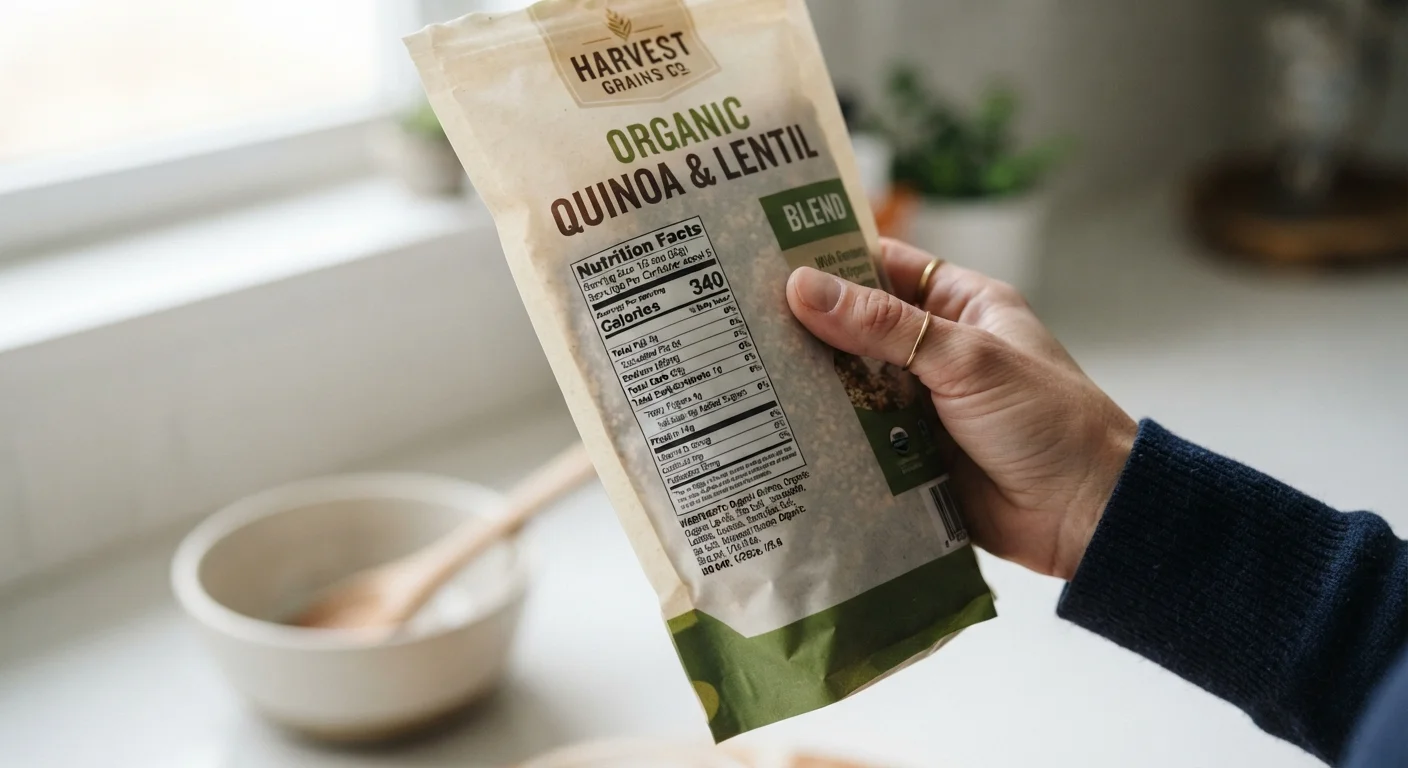
Photo credit: ResultsPivot.com | Discover Insightful Content!
In this article
Front-of-pack claims and health halos can mislead. Here is how to use the back-of-pack nutrition panel to judge a product clearly.
Key Takeaways
- Front-of-pack claims like 'natural' or 'multigrain' are marketing language, not regulated nutritional guarantees.
- The Nutrition Facts panel is standardized by the FDA and is far more reliable than front-label wording.
- Serving size is the first number to check — it anchors every other figure on the label.
- Added sugars and sodium are two nutrients worth tracking closely, as they are easy to underestimate.
- The ingredients list reveals what is actually in a product, in descending order by weight.
Why the Front of the Pack Is Designed to Work on You
Food packaging is a competitive marketing environment. Manufacturers invest significantly in front-of-pack design — color, language, imagery, and certifications — because research consistently shows these elements influence purchase decisions at the shelf. Claims like 'made with whole grains,' 'no artificial flavors,' and 'reduced fat' are not lies, but they are incomplete pictures. 'Reduced fat' means at least 25% less fat than the standard version of the product — it says nothing about calories, sugar, or sodium, which often increase when fat is removed to preserve palatability.
This is sometimes called the health halo effect — a single positive-sounding attribute leads shoppers to assume the whole product is nutritious. Understanding this dynamic is the first step to bypassing it. For more on the eating habits that research actually supports, visit the eating habits research actually supports.
Front-of-Pack Claims Have No Single Standard
Terms like 'natural,' 'wholesome,' 'made with real fruit,' and 'multigrain' are largely unregulated marketing phrases. The FDA does not define 'natural' in a comprehensive way for food labeling. Do not rely on these claims as a nutritional judgment — always flip the package over.
The good news: the Nutrition Facts panel on the back is federally standardized and regulated by the FDA. It cannot be dressed up with marketing language. That makes it your most reliable tool in the aisle. See the full Nutrition Basics hub for more foundational guidance.
What You Need Before You Start
This process requires no special equipment — just the package itself and a few minutes of focused attention. Here is what to have on hand:
What you will need
The food product's Nutrition Facts panel
The primary source of standardized nutritional data regulated by the FDA.
Ingredients list (on-pack)
Reveals the actual contents of a product in descending order by weight.
USDA FoodData Central (online database)
A free public database for cross-referencing nutritional information on whole and packaged foods.
Once you have a product in hand, work through the steps below in order. The sequence matters: anchoring to serving size before reading any other number prevents the most common misreading errors.
Step-by-Step: Reading the Label Clearly
Follow these steps each time you evaluate a packaged food product. With practice, the full process takes under two minutes.
Ignore the front of the pack entirely — at first
Before you read a single claim on the front, make a deliberate habit of turning the package over. Front-of-pack language exists to attract attention and drive purchase decisions, not to inform. Phrases like 'lightly sweetened,' 'a good source of protein,' or 'heart smart' may be technically accurate in a narrow sense, selectively highlighted, or simply unregulated. Give them zero weight until you have checked the back panel. For a broader look at how marketing language works in this space, see our piece on reading between marketing lines.
Find and anchor to the serving size
The very first line of the Nutrition Facts panel is the serving size. Every single number that follows — calories, fat grams, sodium milligrams — applies to that serving, not the whole package. A bag of chips labeled as '3 servings' means the calorie count you see must be multiplied by 3 if you eat the whole bag. Check whether the stated serving size reflects how you would realistically consume the product. Our companion guide Nutrition Labels Explained walks through this in detail.
Check added sugars separately from total sugars
Since the FDA updated its Nutrition Facts label requirements, added sugars must appear as a sub-line beneath total sugars. This distinction matters: naturally occurring sugars in plain dairy or whole fruit come packaged with fiber, water, and nutrients. Added sugars — syrups, sweeteners, concentrated fruit juices used as sweeteners — are incorporated during processing and carry none of those benefits. A flavored yogurt may show 22g of total sugar, but if 15g of that is added sugar, that context changes how you might evaluate it. The Dietary Guidelines for Americans suggests keeping added sugars below 10% of total daily calories, as a general reference point.
Scan sodium relative to your daily context
Sodium is one of the most consistently underestimated nutrients in packaged foods. A single serving of a canned soup, seasoned snack, or condiment can deliver a substantial portion of the 2,300 mg daily limit referenced in federal dietary guidelines. When assessing sodium, use the % Daily Value (%DV) column. Anything above 20% DV per serving warrants attention, especially if the product is something you eat frequently or in larger portions than the stated serving size.
[tip_callout]Read the ingredients list from top to bottom
Ingredients are listed in descending order by weight — the first ingredient is the most abundant. If the first two or three ingredients are forms of sugar, refined flour, or oil, that tells you the product's fundamental composition regardless of what the front says. Also look for how many times sugar appears under different names (e.g., cane juice, dextrose, maltose, corn syrup). Multiple sugar entries scattered throughout the list can add up even when none appears first. The ingredients list is where front-of-pack claims get tested against reality.
Cross-check any 'health halo' claims against the full panel
A health halo is the perception that a product is broadly healthy because of one positive attribute. 'Gluten-free cookies' may still be high in sugar and refined starch. 'High in fiber' granola may also be high in added sugars. 'Organic' describes farming practices, not nutritional quality. Once you have read the full Nutrition Facts panel and the ingredients list, return to any front-of-pack claim and ask: does the rest of the label support this impression? For related reading, see common nutrition myths debunked.
After working through these steps, you will have a much clearer picture of what a product actually contains versus what it presents itself as. This skill pairs well with building a balanced plate without a strict diet plan — understanding labels is most useful when it connects to flexible, practical eating decisions.
This Is General Information, Not Medical Advice
The guidance in this article is educational and intended to help you understand food labeling. It is not a substitute for advice from a registered dietitian or healthcare provider. If you have a medical condition, food allergy, or specific dietary need, consult a qualified professional before making significant changes to your diet.

Author
Shopping Editorial Team
Shopping Editorial Team is the collective byline for our editorial team and contributor network. Articles published under this byline or an editorial pen name are researched, written, and reviewed according to our editorial standards for clarity, consistency, and independence before publication.
View all articles →