
The Shelf-Life Guide: How Long Common Household Staples Actually Last
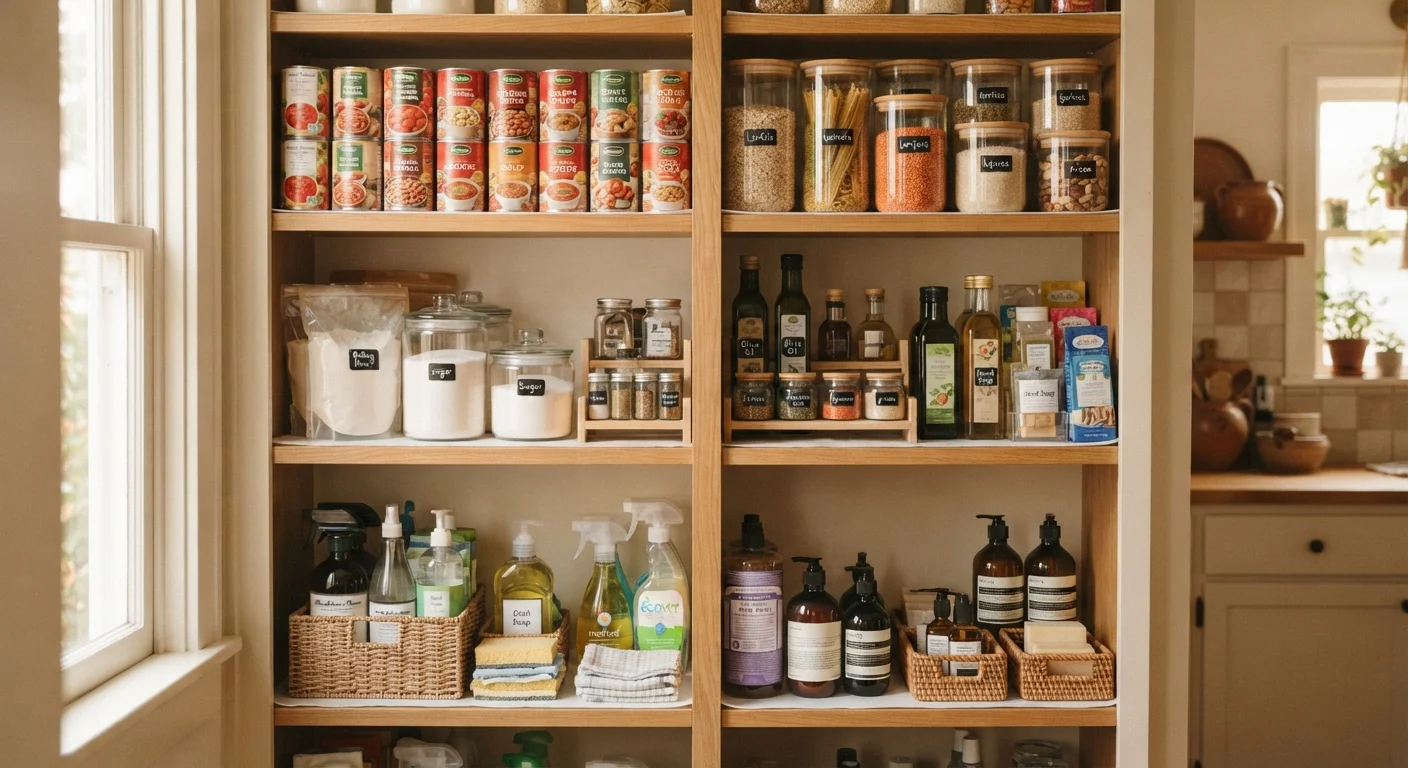
Photo credit: ResultsPivot.com | Discover Insightful Content!
In this article
A quick-reference breakdown of typical shelf lives for pantry goods, cleaning supplies, and personal care products.
Why Shelf Life Actually Matters
Most households are quietly sitting on expired goods — pantry staples that have lost potency, cleaning products that no longer disinfect effectively, and personal care items past their prime. Understanding shelf life isn't about being paranoid; it's about getting full value from what you already own and shopping with real intention rather than habit.
Importantly, "shelf life" is a spectrum. Some products become unsafe after their date; others simply lose effectiveness or flavor. Knowing the difference is where the practical value lives.
Shelf life
The length of time a product remains safe, effective, or at acceptable quality under specified storage conditions. It can be determined by safety testing, potency studies, or sensory evaluation.
Best-by date
A manufacturer's estimate of when a product is at peak quality. For most non-perishable foods, the product may still be safe and usable after this date, though quality may have declined.
Period After Opening (PAO)
An icon found on cosmetic and personal care packaging — depicted as an open jar with a number — indicating how many months the product is considered safe and effective after it is first opened.
Rancidity
The chemical breakdown of fats and oils, producing off flavors and odors. Rancid products are generally not harmful in small amounts but have degraded in quality and should be discarded.
Pantry Goods: What Stays, What Goes
Dry staples are often more durable than people assume — and canned goods even more so. Here's a reliable general framework:
- White rice, dried pasta, and sugar: Stored in sealed, cool, dry conditions, these can remain usable for 2–5 years or longer, though flavor may gradually decline.
- Whole grain products (brown rice, whole wheat flour): The natural oils in whole grains go rancid faster — typically 3–6 months at room temperature, up to a year refrigerated.
- Canned goods: Commercially canned vegetables and beans are generally safe for 2–5 years if the can is undamaged. High-acid canned items (tomatoes, citrus) have a shorter window of about 1–1.5 years.
- Honey: Indefinite shelf life when stored properly — it's one of the few true pantry immortals.
- Cooking oils: Most refined oils last 1–2 years unopened; once opened, use within 6 months. Smell is your best test — rancid oil has a distinct off odor.
| Honey shelf life | Indefinite (if sealed and stored properly) (National Honey Board) |
| Liquid bleach effectiveness window | 6–12 months from manufacture (Clorox product guidance, general industry standard) |
| Mascara replacement guideline | Every 3 months after opening (American Academy of Ophthalmology) |
| Commercially canned vegetables | Safe for approximately 2–5 years (USDA Food Safety and Inspection Service) |
| Sunscreen minimum shelf life | 3 years (FDA-mandated) (U.S. Food and Drug Administration) |
| Brown rice (room temperature) | 3–6 months (General food science guidelines) |
Cleaning Products: When They Stop Working
Cleaning products have shelf lives that are easy to overlook because they rarely come with prominent expiration dates.
80M tons
Food waste generated in the U.S. annually
According to the U.S. Department of Agriculture, misunderstanding date labels is a leading driver of preventable household food waste.
~$1,500
Estimated annual food waste cost per U.S. household
The Natural Resources Defense Council has estimated that the average American family discards a significant portion of purchased food, much of it still usable.
- Liquid bleach: Loses significant disinfecting power after about 6–12 months from manufacture, especially once opened. Diluted bleach solutions degrade much faster — within 24 hours.
- All-purpose sprays: Most remain effective for 1–2 years. Antimicrobial versions may lose potency sooner.
- Laundry detergent (liquid): Effective for about 6–12 months opened; powdered detergents can last up to 2 years if kept dry.
- Dishwasher pods: Generally reliable for about 15 months; humidity can cause them to clump or dissolve prematurely.
A faded label, unusual smell, or separated formula are practical signs that a product's effectiveness has declined.
Storage Conditions Change Everything
The shelf life estimates above assume reasonable storage: cool, dry, and away from direct sunlight. A cleaning spray stored under a leaky sink or sunscreen left in a hot glove compartment may degrade well before any printed date. Always factor in where and how you're storing products — conditions matter as much as the calendar.
Personal Care Products: Dates Worth Checking
Personal care items use a small open-jar symbol on their packaging — called the Period After Opening (PAO) symbol — to indicate how many months a product is good for after first use. It's worth learning to spot it.
- Sunscreen: The FDA requires a minimum 3-year shelf life. However, heat and humidity degrade sunscreen significantly; a product stored in a hot car may be compromised well before its printed date.
- Mascara: Replace every 3 months after opening — bacteria accumulate quickly in the tube.
- Moisturizers and serums: Typically 6–24 months after opening, depending on formulation. Products in jars (opened frequently by hand) tend to degrade faster than pump dispensers.
- Over-the-counter medications: Expiration dates on OTC products are federally regulated and indicate the last date the manufacturer guarantees full potency and safety. Do not use past the printed date.
When in doubt, especially for anything applied near eyes or used on broken skin, replace it. The cost of a replacement is generally far less than the cost of an irritation or infection.

Author
Shopping Editorial Team
Shopping Editorial Team is the collective byline for our editorial team and contributor network. Articles published under this byline or an editorial pen name are researched, written, and reviewed according to our editorial standards for clarity, consistency, and independence before publication.
View all articles →