
Fuel-Efficient Driving Habits That Hold Up in Real Traffic
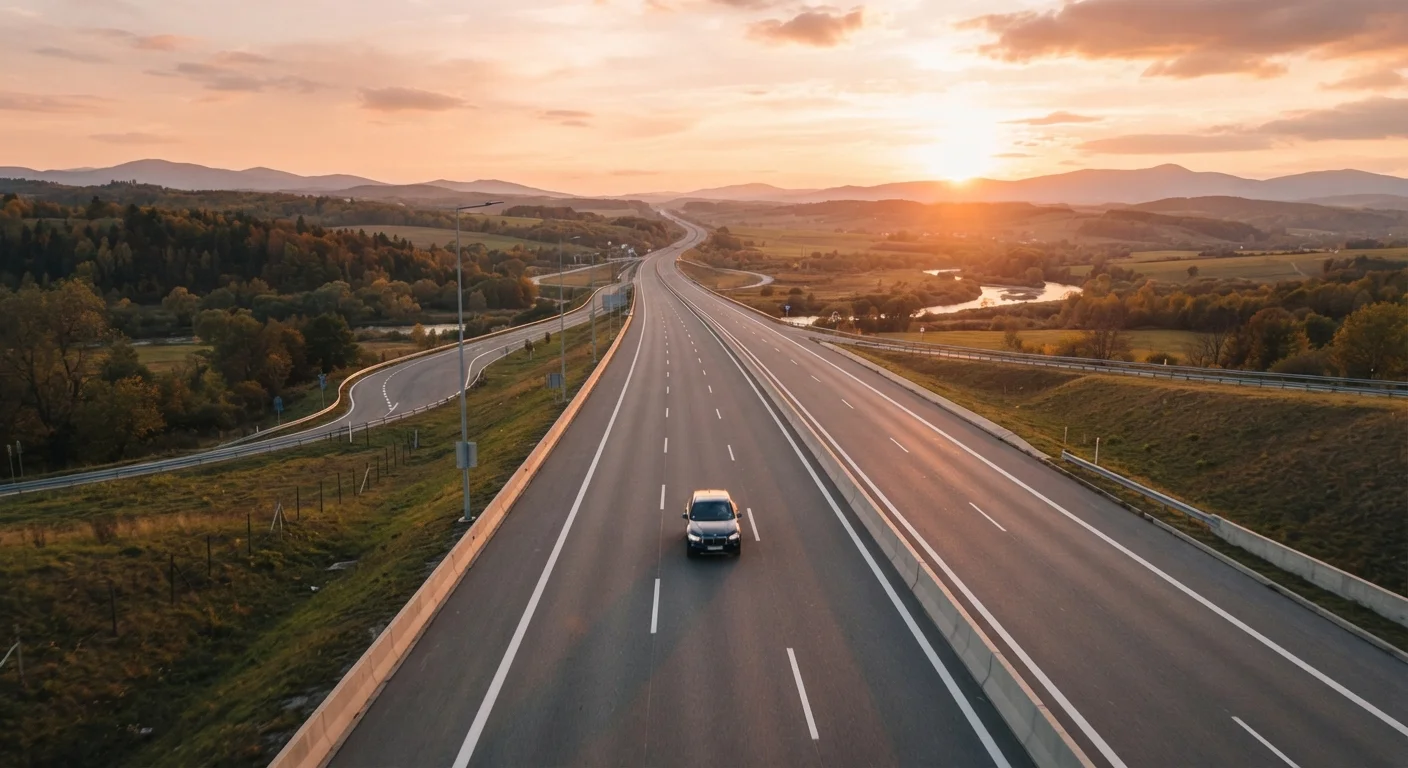
Photo credit: ResultsPivot.com | Discover Insightful Content!
Smooth acceleration, anticipatory braking, and speed management can meaningfully reduce fuel consumption — without adding time to your journey.
Key Takeaways
- Smooth acceleration and early braking reduce fuel consumption more than most drivers expect.
- Maintaining a steady following distance lets you anticipate stops rather than react to them.
- Keeping tires properly inflated is one of the simplest fuel-saving steps available to any driver.
- Speed discipline on highways — especially avoiding the urge to push past 70 mph — has an outsized effect on efficiency.
- Air conditioning and unnecessary idling are two overlooked fuel drains worth managing actively.
Why Driving Style Matters More Than the Car
The gap between a vehicle's official fuel economy figure and what you actually see at the pump is real — and driving behavior is a major reason for it. Aggressive acceleration, late braking, and inconsistent speeds can cut efficiency significantly compared to smoother technique, regardless of what's under the hood.
The good news: most of the habits that improve fuel efficiency also make for less stressful driving. None of them require slowing to a crawl or adding meaningful time to your commute. They're about working with traffic rather than fighting it. For a broader look at how urban and highway driving demand different approaches, see City Driving vs. Motorway Driving.
Accelerate gently from a stop
Hard acceleration burns a disproportionate amount of fuel in a short window. Easing onto the throttle and building speed gradually — targeting a comfortable cruising speed over 10–15 seconds rather than 3–4 — reduces the fuel demanded from the engine during that burst. In city driving, where you're stopping and starting repeatedly, this adds up quickly across a single commute.
Gentle acceleration is where the biggest fuel savings are hiding in everyday city driving.
Look further ahead and brake early
Anticipatory driving — reading traffic flow 10 to 15 seconds ahead rather than reacting to the car directly in front — lets you lift off the throttle early and coast toward a stop. Modern fuel-injected engines use virtually no fuel when coasting in gear with your foot off the gas, making this one of the most effective techniques available. Late, hard braking wastes kinetic energy you paid fuel to create.
Coasting to a stop in gear uses almost no fuel — every early brake application is money saved.
Maintain a consistent following distance
Tailgating forces you into a reactive loop — accelerate when they accelerate, brake when they brake. A larger gap gives you room to smooth those inputs out. On highways, a 3-second gap (or more in poor conditions) means you're rarely touching the brakes unnecessarily. This is also a significant safety benefit, not just a fuel one. See driving in difficult conditions for how following distance should increase in rain, fog, or snow.
A larger following distance is both a safety margin and a built-in fuel economy tool.
Respect the speed-efficiency curve on highways
Aerodynamic drag increases with the square of speed, meaning the fuel cost of going faster grows rapidly above 60 mph. The difference between cruising at 65 mph and 80 mph is more significant than most drivers expect. Where traffic and safety allow, settling into the flow of traffic rather than pushing the upper range of cruise speeds is one of the highest-return adjustments available on longer trips.
Aerodynamic drag grows exponentially with speed — pushing past 70 mph costs more than most drivers realize.
Manage air conditioning use strategically
Air conditioning puts a direct mechanical load on the engine, increasing fuel consumption — particularly noticeable in smaller-engined vehicles. At low speeds in moderate heat, cracking the windows is more efficient. At highway speeds, the aerodynamic drag from open windows can outweigh the A/C penalty, so the calculus flips. Pre-cooling a parked car by opening doors briefly before switching on the A/C reduces the initial cooling load.
At low speeds, open windows beat A/C on efficiency — the equation changes once you hit the highway.
Avoid unnecessary idling
A running engine consumes fuel even when the car isn't moving. Extended idling — waiting in a parking lot, sitting through a long train crossing, or warming up the engine on a cold morning — burns fuel with zero forward progress. Modern engines don't require the extended warm-up periods older carbureted engines did; a gentle first mile of driving is a more efficient way to bring the engine up to operating temperature. Turn off the engine if you expect to be stationary for more than a minute or two.
Modern engines don't need long warm-ups — idling for minutes at a time is pure fuel waste.
Small Adjustments, Sustained Over Time
None of these habits require special equipment or mechanical knowledge. They're adjustments to how you use the controls you already have. Practiced consistently, they tend to compound — smoother driving reduces wear on brakes and drivetrain components, which can lower maintenance costs over time alongside fuel savings.
Check your tire pressure monthly
Tires lose pressure naturally over time — roughly 1 PSI per month under normal conditions. Running even slightly underinflated increases rolling resistance and reduces efficiency. Check pressure when tires are cold (before driving or after sitting for at least 3 hours), and use the figure in your owner's manual or door jamb sticker, not the maximum listed on the tire sidewall.
Vehicle condition also plays a role. Underinflated tires increase rolling resistance, and a poorly maintained engine works harder than it needs to. The pre-trip vehicle check is a practical way to catch the basics before they become a problem. And if you're sorting fact from fiction on car care more broadly, car maintenance myths is worth a read.
Fuel savings vary by vehicle and conditions
The efficiency gains from smoother driving technique are real but variable — they depend on your vehicle type, engine size, traffic patterns, and terrain. Hybrid and electric vehicles recover energy during braking (regenerative braking), which makes anticipatory driving even more rewarding in those cars. Treat any figures you encounter as directional rather than guaranteed, and track your own consumption over several fill-ups to get a realistic picture.

Author
Automotive Editorial Team
Automotive Editorial Team is the collective byline for our editorial team and contributor network. Articles published under this byline or an editorial pen name are researched, written, and reviewed according to our editorial standards for clarity, consistency, and independence before publication.
View all articles →