
Everything Americans Get Wrong About Green Tea
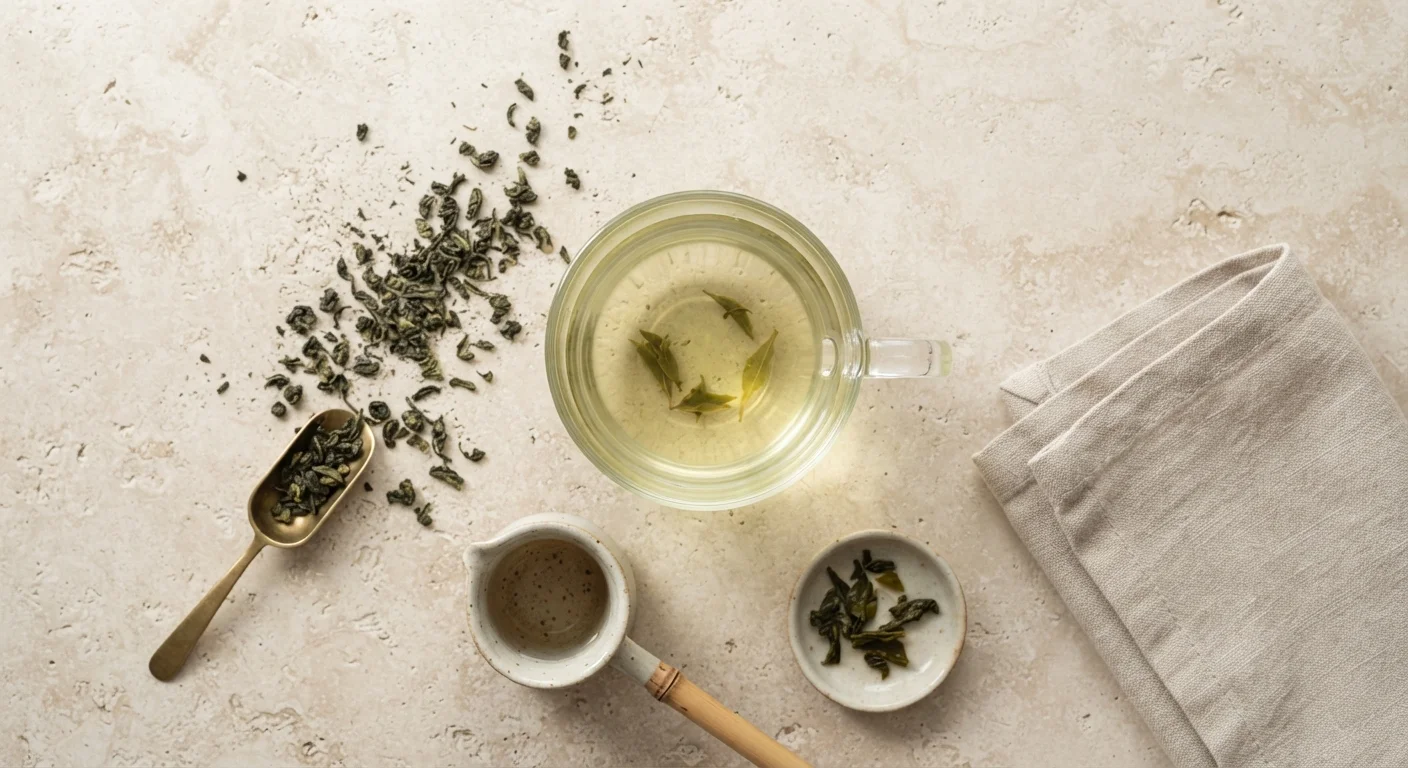
Photo credit: ResultsPivot.com | Discover Insightful Content!
In this article
From caffeine levels to health claims, green tea is surrounded by misconceptions. Here's what the science actually says.
Key Takeaways
- Green tea contains caffeine — typically 20–45 mg per cup, not zero.
- No single food or drink, including green tea, reliably causes weight loss on its own.
- Matcha is a form of green tea, but brewing methods and nutrient profiles differ significantly.
- Heat, steep time, and water temperature all affect flavor and antioxidant content.
- Most health research on green tea uses concentrated extracts, not everyday cups.
Why Green Tea Myths Spread So Easily
Green tea has earned a devoted following in the US, showing up everywhere from coffee shop menus to wellness influencer feeds. But alongside its rising popularity, a cloud of half-truths and oversimplifications has followed it. Some myths come from marketing, others from misread headlines, and a few have simply traveled so far from their origins that the nuance got lost along the way.
If you love green tea — or are curious about trying it — understanding what it actually offers (and doesn't) makes the experience richer. The science is genuinely interesting. It just doesn't always match the hype. For a broader look at how food misconceptions take hold, explore how other nutrition myths keep circulating.
Myth
Green tea is caffeine-free, so it's totally fine to drink right before bed.
Fact
Green tea contains caffeine — typically between 20 and 45 mg per cup, depending on the variety and brew time.
The caffeine-free reputation likely comes from comparisons with coffee, which can contain 80–100+ mg per cup. Green tea is lower in caffeine, but it isn't absent. Matcha, a powdered form of green tea, can clock in even higher because you consume the whole leaf. Sensitive sleepers should treat an evening cup the same way they'd treat a weak coffee.
Myth
Drinking green tea will help you lose weight.
Fact
Green tea has a modest, temporary effect on metabolism in some studies, but it does not reliably produce meaningful weight loss on its own.
Several studies have examined green tea's catechins and their potential to slightly increase calorie expenditure, but the effects observed are generally small — often just a handful of extra calories per day. No credible nutrition body endorses green tea as a weight-loss tool. Sustainable weight management involves the full picture of diet, activity, and lifestyle, not any single beverage.
Myth
All green tea is basically the same.
Fact
Green tea encompasses hundreds of distinct varieties with very different flavors, growing regions, and processing methods.
Japanese green teas like sencha and gyokuro are steamed shortly after harvest to preserve their grassy, vegetal notes. Chinese varieties like longjing (dragonwell) are pan-fired, producing a nuttier, toastier profile. Matcha is stone-ground shade-grown tea leaves — a very different experience from a standard steeped bag. Even the water used and the brewing vessel can shift flavor significantly.
Myth
Green tea is a proven detox that cleanses your liver and kidneys.
Fact
The human body detoxifies through the liver and kidneys continuously; no beverage "cleanses" these organs in any clinically established way.
The word "detox" applied to foods and drinks is largely a marketing term without a standardized scientific definition. While green tea is not harmful to a healthy liver in typical amounts, high-dose green tea supplements have actually been associated with rare cases of liver stress in susceptible individuals. Staying hydrated and maintaining a balanced diet supports normal organ function — but no drink turbocharges the process.
Myth
More steeping time means a stronger, healthier cup.
Fact
Over-steeping green tea makes it bitter and astringent without significantly increasing beneficial compounds.
The catechins in green tea extract into water relatively quickly. Steeping beyond three to four minutes mainly releases more tannins — the compounds responsible for bitterness — rather than boosting antioxidant levels meaningfully. For the best balance of flavor and compound extraction, most green tea varieties do well with water around 160–175°F and a steep time of two to three minutes.
What the Research Actually Supports
Green tea does contain a group of plant compounds called catechins — particularly EGCG — that have been studied for various health-related effects. Research has linked regular green tea consumption to modest cardiovascular benefits and antioxidant activity. But most of the boldest findings come from laboratory or high-dose supplement studies, not from drinking a daily cup.
20–45 mg
Caffeine per cup of green tea
The exact amount varies by variety, brew time, and water temperature, according to general nutritional references including USDA data.
~3 min
Optimal steeping time for most green teas
Tea educators and specialty producers commonly recommend this range to balance flavor and minimize bitterness.
175°F
Recommended maximum brew temperature
Brewing above this threshold is widely associated with increased bitterness and potential degradation of delicate aromatic compounds.
The honest picture is that green tea is a genuinely pleasant, low-caffeine beverage with real compounds worth studying — just not a miracle. Americans often encounter food and drink through the lens of trend culture, which can distort expectations. That same dynamic shows up in dining, too; what Americans get wrong about "authentic" cuisine is a useful companion read for anyone thinking critically about food narratives.
High-Dose Supplements Are Not the Same as Tea
Concentrated green tea extract supplements deliver far higher doses of catechins than a brewed cup. Regulatory agencies including the FDA have flagged high-dose green tea extract products in connection with reports of liver injury. If you're considering a supplement — not a beverage — consult a qualified healthcare professional before starting.
Getting More Out of Every Cup
Once the myths are out of the way, there's a genuinely rewarding world of green tea to explore. Brewing temperature matters: water that's too hot (above about 175°F) can turn green tea bitter and may degrade some delicate compounds. Steeping for two to three minutes is a common starting point, though different varieties — from grassy Japanese sencha to nutty Chinese dragonwell — each reward a little experimentation.
Labels on green tea products are also worth reading with care. Terms like "detox," "slimming," or "metabolism-boosting" aren't regulated the same way drug claims are, and they can create unrealistic expectations. If label literacy matters to you in other shopping contexts, understanding what "sustainable" labels actually mean applies a similar critical lens to product packaging.
Green Tea Is Not a Medical Treatment
This article is general food and beverage information, not medical advice. If you have a health condition, are pregnant, or take medications, speak with a qualified healthcare provider before making significant changes to your diet or adding supplements. Green tea in typical beverage amounts is considered safe for most healthy adults, but individual circumstances vary.

Author
Food & Drink Editorial Team
Food & Drink Editorial Team is the collective byline for our editorial team and contributor network. Articles published under this byline or an editorial pen name are researched, written, and reviewed according to our editorial standards for clarity, consistency, and independence before publication.
View all articles →