
Cottagecore at Home: Translating a Digital Aesthetic Into Real Interiors
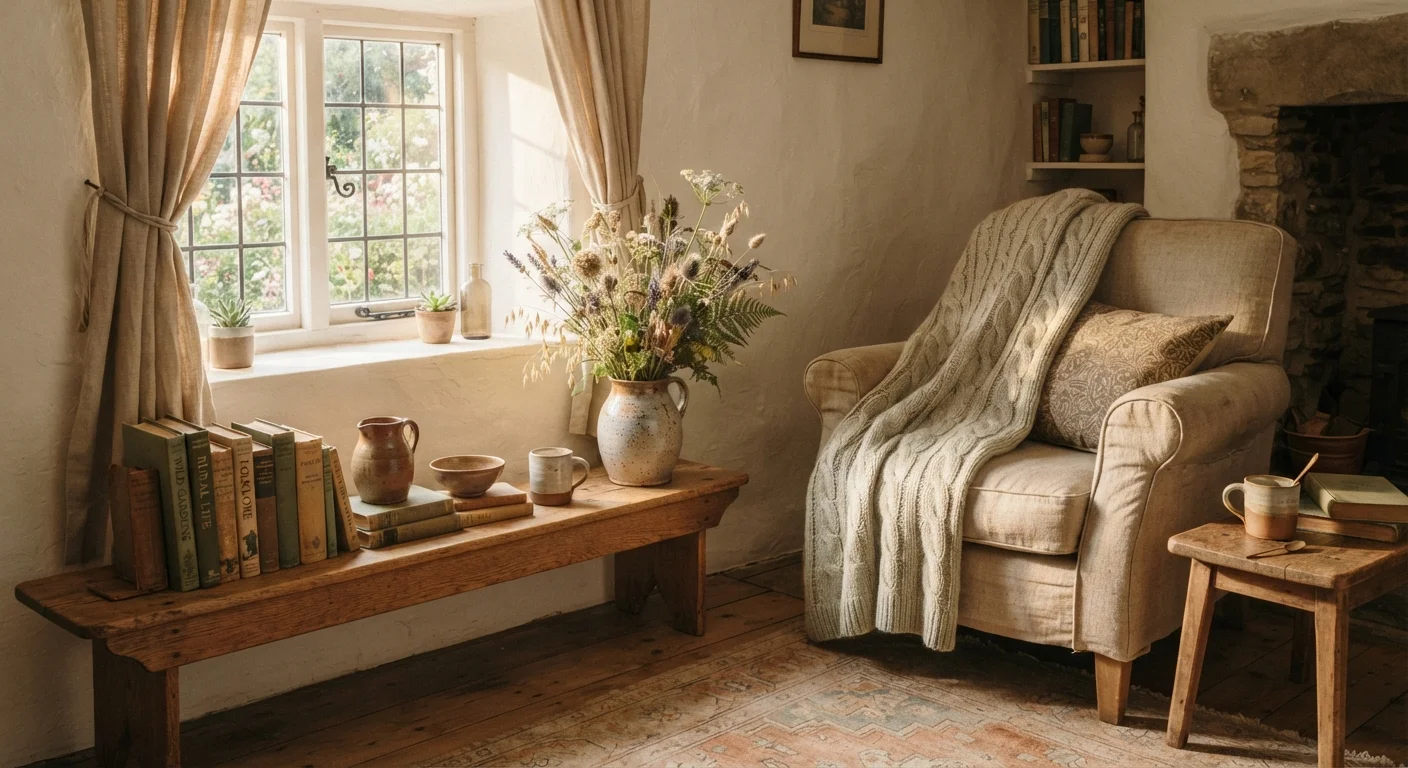
Photo credit: ResultsPivot.com | Discover Insightful Content!
In this article
Cottagecore swept social media — but what does it actually look like on a shelf or sofa? A practical look at bringing the trend into your living space.
Key Takeaways
- Cottagecore is a mood-driven aesthetic rooted in nature, handmade craft, and lived-in warmth — not a strict rulebook.
- Natural materials, earthy tones, and botanical elements are the foundation of the look in real interiors.
- You don't need to redecorate an entire room — focused layering on surfaces and textiles goes a long way.
- Vintage and secondhand pieces fit naturally into this aesthetic, often better than new items.
- The goal is a space that feels tended and personal, not curated for a camera.
What Cottagecore Actually Means as a Design Direction
Cottagecore emerged as a social media aesthetic — rooted in romanticized rural life, handmade objects, and a kind of slow, nature-adjacent domesticity. It spread through Pinterest boards and TikTok videos filled with bread baking, wildflower foraging, and rooms draped in linen. But translating it from a curated feed into a real home you live in every day requires a more practical lens.
At its core, cottagecore in interiors is about three things: natural materials, organic imperfection, and a sense of accumulated history. It's the opposite of the sleek, pared-back quiet luxury interior trend, which values restraint and high-end minimalism. Cottagecore instead embraces visible texture, handmade or repaired objects, and a room that looks tended rather than styled.
The good news: this is one of the more accessible aesthetic shifts in recent home design conversation. It actively benefits from imperfection, doesn't require expensive new purchases, and works across a range of existing home styles — from a suburban ranch to a city apartment.
Neutral linen or cotton textiles
Softens hard surfaces and introduces the natural, undyed fabric tones central to the aesthetic.
Dried botanicals or pressed flowers
Adds organic texture and a faded, nature-connected quality without requiring live plant maintenance.
Ceramic or earthenware vessels
Provides functional display pieces with handmade character — ideal for holding stems, utensils, or simply sitting on a shelf.
Vintage or secondhand books
Adds layered visual warmth and personal history to shelves and surfaces.
Beeswax or unscented pillar candles
Contributes ambient, warm light that softens a space in the evening.
Wicker or woven basket
Provides storage with natural texture, doubling as decor without looking precious.
Step-by-Step: Bringing the Aesthetic Into Your Space
Don't Chase the Instagram Version
Cottagecore online tends toward highly styled, photogenic vignettes that can feel impossible to replicate. Real cottagecore interiors are messier, more personal, and far more livable. Prioritize how the space feels over how it photographs — that's the actual point of the aesthetic.
Anchor the Palette in Earthy, Muted Tones
Cottagecore interiors draw from a narrow, grounded palette: sage, cream, oat, dusty rose, terracotta, and faded moss. If you're working within an existing paint scheme, introduce these tones through textiles and accessories rather than repainting. A single oat-colored throw over a sofa or a terracotta pot on a windowsill can shift a room's temperature noticeably.
Avoid bright whites or high-contrast schemes — the aesthetic leans toward softness and age, not crispness.
Swap Out Synthetic Textiles for Natural Ones
The texture of fabric matters enormously here. Rough linen, washed cotton, chunky wool knits, and unbleached muslin all read as cottagecore; polyester microfiber and smooth synthetic velvet do not. This doesn't require a full furnishings overhaul — start with cushion covers, a throw blanket, or curtains.
Slightly wrinkled linen curtains, for instance, carry more of the aesthetic than pressed ones. Imperfection is the point.
Build in Botanical Elements
Live plants, dried stems, pressed flowers, and foraged branches all belong here. Dried lavender bundles, a jar of dried wildflowers, or a simple branch of eucalyptus in a ceramic bottle work as well as — and often better than — elaborate floral arrangements. They age gracefully and require no upkeep.
Potted herbs on a kitchen windowsill serve double duty: visual and practical. Ferns, trailing pothos, and trailing ivy have a lush, overgrown quality that fits the aesthetic well.
Layer Surfaces With Meaning, Not Volume
Cottagecore shelves and mantels should look gathered, not staged. A few meaningful objects — a ceramic bowl, a stack of old books, a small framed botanical illustration — do more than a dense arrangement of matching pieces. The key is variety in height, material, and age.
Resist matching sets. One handmade mug next to a mass-produced one is fine; six identical anything reads as retail display. For more detail on balancing old and new objects, the guide to mixing vintage and contemporary pieces covers this in depth.
Introduce Soft, Ambient Lighting
Overhead lighting tends to flatten the warmth that cottagecore depends on. Where possible, supplement or replace it with lower, softer sources: table lamps with warm bulbs, clusters of candles, or string lights positioned low. The goal is a glow that suggests late-afternoon sun through a window, not a well-lit showroom.
Lamp shades in linen, wicker, or rattan reinforce the material palette while diffusing light pleasantly.
Edit Back Anything That Reads as Sleek or Synthetic
Cottagecore and high-gloss modernism are actively in tension. Chrome fixtures, glossy lacquered surfaces, and angular furniture with no patina tend to undercut the aesthetic even when surrounded by warm accessories. You don't need to eliminate them — but grouping natural-material objects away from starkly modern ones helps each zone feel coherent.
This pairs naturally with the broader practice of keeping a home feeling calm and uncluttered. See small daily habits that keep a home feeling calm for low-effort routines that support any considered interior style.
Thrift Stores Are Your Best Resource
Worn pottery, mismatched linen napkins, old botanical prints, and chipped enamelware all show up reliably at thrift stores and estate sales. These pieces carry the imperfection and history that make cottagecore feel authentic rather than assembled from a single style catalog. See our guide to mixing vintage and contemporary pieces for tips on keeping it intentional.
Common Missteps and How to Avoid Them
The most common mistake is treating cottagecore as a shopping list rather than a sensibility. Buying a set of mushroom-print cushions and a few dried flower bundles online won't deliver the effect if the underlying space is still all glass and steel. The aesthetic works from the inside out — start with materials and palette, then layer details.
Avoid Over-Theming a Room
Going all-in on every cottagecore element at once — mushroom prints, dried herbs, gingham, antique lace — can tip quickly into parody. Restraint matters. Pick two or three signature elements per room and let them breathe alongside neutral, functional pieces.
A well-executed cottagecore corner of a room — one windowsill, one well-tended shelf — will do more than a whole living room half-committed to the trend. Think of it the same way you'd approach any home organization project: edit first, add second.
Finally, keep the lived-in nature of the style as the goal. A home that genuinely reflects daily life — with the worn throw, the half-burned candle, the plant that's been repotted twice — will always feel more authentically cottagecore than a freshly assembled version of it.

Author
Home & Living Editorial Team
Home & Living Editorial Team is the collective byline for our editorial team and contributor network. Articles published under this byline or an editorial pen name are researched, written, and reviewed according to our editorial standards for clarity, consistency, and independence before publication.
View all articles →