
Why Small Walks After Meals Have Outsized Effects on Your Body
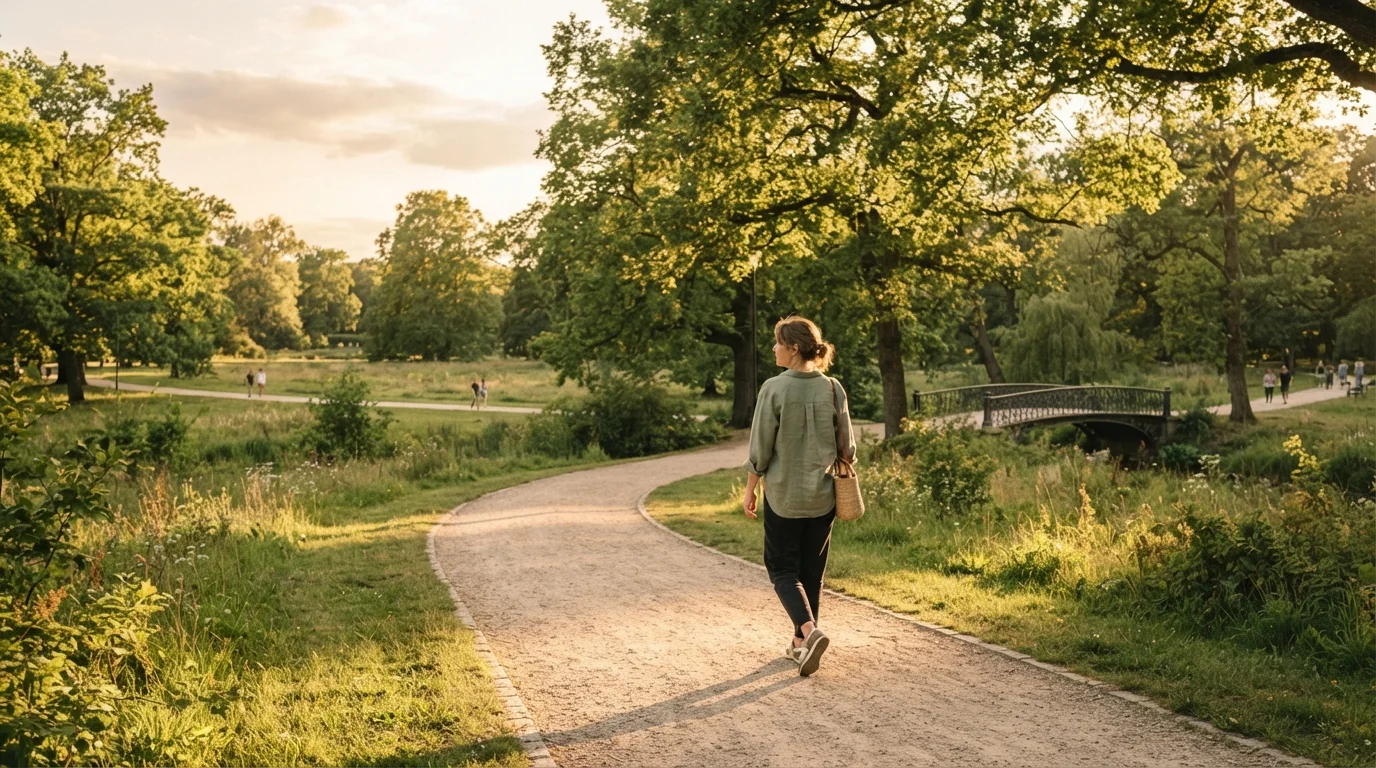
Photo credit: ResultsPivot.com | Discover Insightful Content!
In this article
A brief post-meal walk is one of the lowest-effort habits with real physiological effects. Here's what happens inside your body when you try it.
Key Takeaways
- Even a 10-minute walk after eating can meaningfully blunt post-meal blood sugar spikes.
- Post-meal walking activates muscle glucose uptake through a partly insulin-independent pathway.
- Light movement after eating also supports digestion by stimulating gastrointestinal motility.
- Consistency matters more than pace — a slow, relaxed stroll still delivers measurable effects.
- Post-meal walks are accessible to most people and stack easily onto existing daily routines.
The Biology Behind the Habit
Your body is not static after a meal. In the 60–90 minutes following eating — a period researchers call the postprandial window — your blood glucose rises, insulin is secreted, and your digestive system shifts into high gear. This is also precisely the window where a short walk can intervene in meaningful ways.
When your leg muscles contract during walking, they take up glucose from the bloodstream using a mechanism that is partially independent of insulin. This means your muscles can act like a glucose sponge at a moment when blood sugar is naturally peaking — reducing how high that peak climbs. Multiple controlled studies have found that even 10 minutes of light post-meal walking reduces postprandial blood glucose more effectively than a single 30-minute walk taken at other points in the day.
It's a striking illustration of timing mattering as much as quantity in health habits — something explored in more detail in our piece on eating habits research actually supports.
~10 min
Minimum walk time shown to reduce post-meal blood sugar
A 2022 meta-analysis in Sports Medicine found that walking bouts as short as 2–5 minutes after meals reduced postprandial glucose, with 10-minute walks showing consistent effects across studies.
~30%
Reduction in glucose peak vs. seated rest (approximate)
Research published in Diabetologia found light post-meal walking was associated with meaningfully lower blood glucose peaks compared to remaining sedentary after the same meal.
3x/day
Optimal walk frequency for blood sugar management
Studies consistently find that three short post-meal walks daily outperform a single longer walk in managing 24-hour blood glucose profiles, according to research in Diabetes Care.
What Happens to Your Digestion
Beyond blood sugar, walking after a meal directly influences your gastrointestinal system. The stomach and intestines rely on rhythmic muscle contractions — called peristalsis — to move food along. Physical movement, even gentle walking, stimulates this process.
For people who regularly feel bloated, sluggish, or uncomfortably full after meals, this is worth noting. Light movement accelerates gastric emptying at a moderate rate, which can reduce that heavy, stuck feeling without causing digestive distress. In contrast, lying down or sitting still can slow gastric motility and, in some cases, worsen reflux symptoms.
Make it easier by pairing it with something enjoyable
A post-meal walk doesn't have to be solitary or silent. Walking with a family member, calling a friend, or listening to a podcast can make the habit feel rewarding rather than obligatory. Positive associations are one of the most reliable drivers of habit formation. Start small — even a five-minute walk is a meaningful beginning.
It's worth noting that the benefits here are general and vary person to person. Anyone with a specific digestive condition should get guidance from a healthcare provider before relying on walking as a digestive strategy.
Why This Habit Is Unusually Sticky
One reason post-meal walking tends to stick as a habit — more than many other health recommendations — is structural. Meals themselves serve as a reliable cue, and attaching a new behavior to an existing routine is one of the most evidence-supported strategies in behavioral science. You don't have to remember to schedule a walk; eating already triggers the opportunity.
The bar for entry is also unusually low. You don't need fitness gear, a gym, a specific outdoor environment, or a high baseline of fitness. A slow walk around the block, through a hallway, or even around a parking lot counts. People who travel frequently — and whose meal schedules are often disrupted — sometimes find this to be one of the few healthy habits that survives across time zones and unfamiliar environments, a pattern touched on in our look at how frequent travel reshapes everyday habits.
The key insight is that you don't need a perfect routine to benefit. A consistent, imperfect habit beats an optimal plan you can't maintain.
“When we move our muscles after eating, we're essentially activating a parallel pathway for glucose clearance that doesn't rely solely on insulin. It's a physiologically elegant solution hiding in plain sight.”
— Dr. Jenna Stanton, Exercise physiologist and metabolic health researcher
This article is for general informational and educational purposes only and does not constitute medical advice. Consult a qualified healthcare professional before making changes to your health routine, particularly if you manage a chronic condition.
Frequently Asked Questions

Author
Health & Wellness Editorial Team
Health & Wellness Editorial Team is the collective byline for our editorial team and contributor network. Articles published under this byline or an editorial pen name are researched, written, and reviewed according to our editorial standards for clarity, consistency, and independence before publication.
View all articles →