
Fibre: The Nutrient Most People Undereat and Rarely Think About
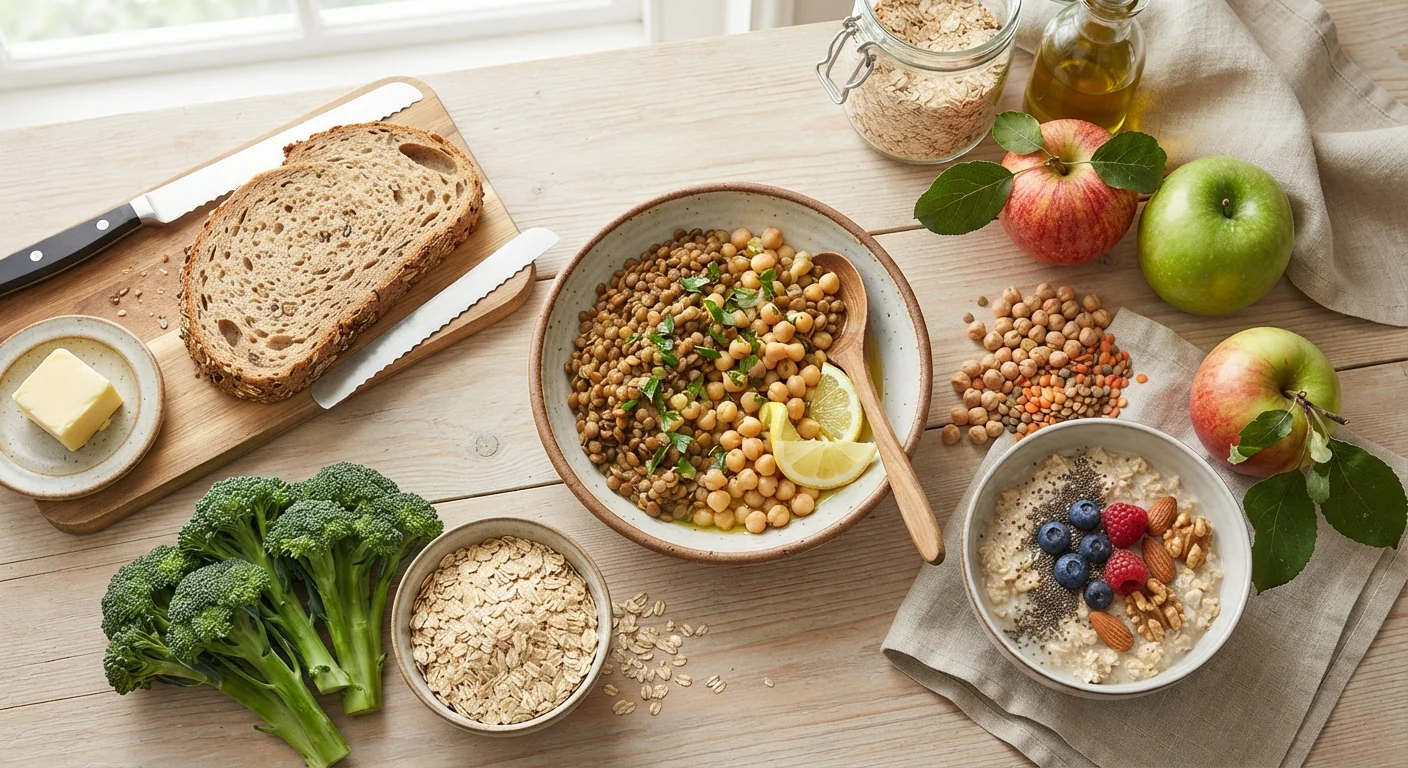
Photo credit: ResultsPivot.com | Discover Insightful Content!
In this article
Dietary fibre does far more than aid digestion. Here's a clear look at what it is, where to find it, and why it matters for overall health.
Key Takeaways
- Most US adults consume roughly half the daily fibre amount generally recommended by health authorities.
- Fibre comes in two types — soluble and insoluble — and both matter for different reasons.
- Whole grains, legumes, vegetables, and fruit are among the most reliable fibre sources.
- Adequate fibre intake is linked to better digestive health, more stable blood sugar, and heart health.
- Gradually increasing fibre and drinking enough water helps avoid common digestive discomfort.
Why Fibre Gets Overlooked
Fibre doesn't have the cultural moment that protein does, and it's rarely the centrepiece of a diet trend. Yet research consistently places it among the most impactful components of a health-supportive diet. According to data from national dietary surveys, the average American consumes only about 15 grams of fibre per day — roughly half the amount generally recommended by health authorities.
Part of the reason fibre gets little attention is that it doesn't fit neatly into the macronutrient story most people learn. It's technically a carbohydrate, but it doesn't behave like one. For a deeper look at how carbohydrates, proteins, and fats each function in the body, see our plain-language guide to macronutrients. Fibre is also easy to crowd out when meals rely heavily on processed foods, which are often stripped of their natural fibre content.
~15g
Average daily fibre intake among US adults
National dietary intake data consistently shows most Americans fall well below the recommended 25–38 grams per day.
90%+
Americans not meeting fibre recommendations
Research published in nutritional epidemiology journals suggests the vast majority of US adults have inadequate fibre consumption.
100 trillion
Bacteria living in the human gut
Many of these microorganisms rely on fermentable dietary fibres as a primary energy source, according to microbiome researchers.
Soluble vs. Insoluble: Two Types, Two Jobs
Understanding the two main types of fibre makes it easier to appreciate why variety in plant foods matters.
- Soluble fibre dissolves in water and forms a gel in the digestive tract. This slows digestion, which can help moderate blood sugar spikes after meals and support healthy cholesterol levels. Oats, beans, apples, and flaxseeds are reliable sources.
- Insoluble fibre doesn't dissolve in water. It adds bulk to stool and helps move material through the intestines more efficiently, supporting regularity. Whole wheat products, nuts, and many vegetables fall into this category.
Most plant foods contain a mix of both types. Eating a wide variety of whole plant foods is a practical way to get adequate amounts of each without needing to track them separately.
Increase Fibre Gradually to Avoid Discomfort
If your current fibre intake is low, adding too much too quickly can cause bloating, cramping, or gas. Aim to increase intake over two to four weeks rather than all at once. Drinking plenty of water is also important — fibre works best when well hydrated in the digestive tract.
What the Research Suggests About Fibre and Health
The evidence linking fibre intake to various health outcomes is among the more consistent in nutrition science — a field often marked by conflicting findings. Studies have associated higher fibre intake with reduced risk of certain chronic conditions, healthier gut microbiome composition, and better weight management outcomes over time. It's worth noting that much of this research is observational, meaning cause and effect can be difficult to establish definitively.
One well-documented mechanism involves the gut microbiome. Fermentable fibres — particularly soluble types — serve as food for beneficial gut bacteria. These bacteria produce short-chain fatty acids during fermentation, compounds that appear to support the gut lining and have broader effects on immune function. This is why fibre is often discussed alongside gut health.
“Dietary fibre is one of the most studied components of diet, and the evidence that it matters for long-term health is remarkably consistent across populations and study designs.”
— Dr. Walter Willett, Professor of Epidemiology and Nutrition, Harvard T.H. Chan School of Public Health
For a broader look at which eating habits are backed by evidence, our piece on eating habits research actually supports offers a useful complement to what's covered here.
Practical Ways to Eat More Fibre
Increasing fibre intake doesn't require dramatic dietary changes. Small, consistent shifts tend to be more sustainable than wholesale overhauls.
- Swap refined grains for whole grain versions — whole wheat bread, brown rice, or whole grain pasta.
- Add a serving of legumes (lentils, chickpeas, black beans) to soups, salads, or grain bowls a few times per week.
- Leave skins on fruits and vegetables where edible — apple skin, potato skin, and zucchini skin all contribute fibre.
- Choose whole fruit over juice, which typically removes most of the fibre.
- Add seeds like chia or ground flaxseed to yogurt, oatmeal, or smoothies.
Fibre and Certain Medical Conditions
People with conditions like irritable bowel syndrome (IBS), Crohn's disease, or other gastrointestinal disorders may need to approach fibre intake differently. Some high-fibre foods can worsen symptoms in certain cases. If you have a diagnosed digestive condition, speak with a gastroenterologist or registered dietitian before significantly changing your fibre intake.
It's also worth being aware of patterns highlighted in nutrition research. Common assumptions — like that all carbs should be avoided — can inadvertently reduce fibre intake. Our piece on persistent nutrition myths addresses several of these misconceptions directly.
This article is for general informational and educational purposes only and is not a substitute for professional medical or dietary advice. If you have specific health concerns or conditions, please consult a qualified healthcare provider or registered dietitian.
Frequently Asked Questions

Author
Health & Wellness Editorial Team
Health & Wellness Editorial Team is the collective byline for our editorial team and contributor network. Articles published under this byline or an editorial pen name are researched, written, and reviewed according to our editorial standards for clarity, consistency, and independence before publication.
View all articles →