
Macronutrients Decoded: What Carbs, Proteins, and Fats Actually Do
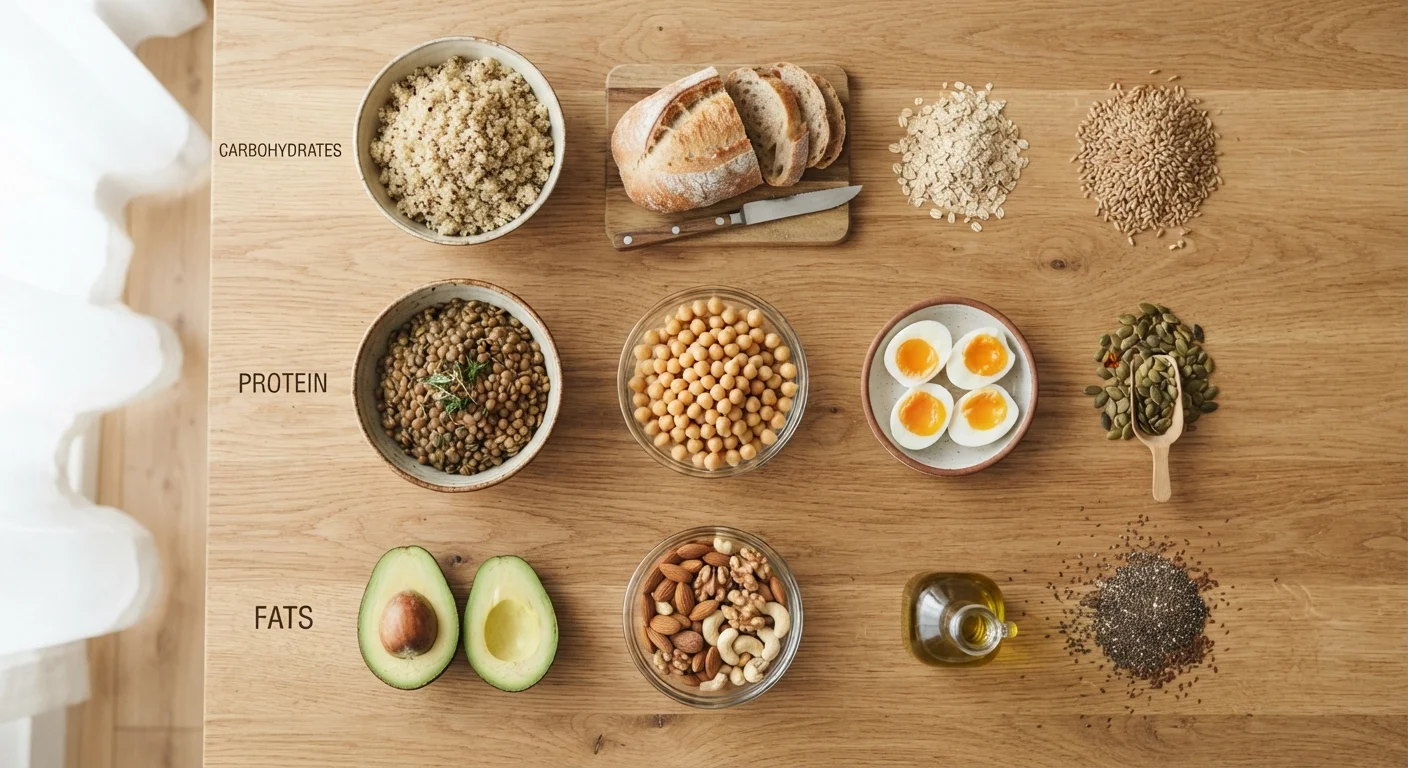
Photo credit: ResultsPivot.com | Discover Insightful Content!
In this article
Cut through the confusion around macronutrients. Learn what carbs, proteins, and fats do in your body and why you need all three.
Key Takeaways
- Carbohydrates are your body's preferred and most efficient fuel source for brain and muscle function.
- Protein supplies the amino acids needed to build and repair every tissue in the body.
- Dietary fats are essential for hormone production, fat-soluble vitamin absorption, and cell structure.
- No single macronutrient is inherently "bad" — balance and food quality matter most.
- Most health guidelines recommend getting calories from all three macronutrients daily.
Carbohydrates: Your Body's Go-To Energy Source
Carbohydrates often get a bad reputation, but they are the body's primary and most readily available fuel. When you eat carbs — whether from oats, sweet potatoes, fruit, or bread — your digestive system breaks them down into glucose, which cells use for energy. Your brain, in particular, runs almost exclusively on glucose under normal conditions.
Not all carbohydrates work the same way. Simple carbohydrates (found in table sugar and refined foods) digest quickly and can cause rapid spikes in blood sugar. Complex carbohydrates (found in whole grains, legumes, and vegetables) digest more slowly, providing sustained energy and feeding beneficial gut bacteria. Dietary fiber — technically a carbohydrate — deserves special mention: see our in-depth look at fiber for why most Americans fall short of recommended intakes.
45–65%
Recommended daily calories from carbohydrates
According to the Dietary Guidelines for Americans, this range represents the general target for carbohydrate intake in a balanced adult diet.
10–35%
Recommended daily calories from protein
The Acceptable Macronutrient Distribution Range (AMDR) for protein, established by the National Academies of Medicine, reflects the wide variation in individual protein needs.
20–35%
Recommended daily calories from fat
Current US dietary guidelines recommend that fat comprise between 20 and 35 percent of total daily calorie intake for most adults.
The takeaway: carb quality is far more meaningful than carb quantity alone. Whole-food carbohydrate sources come packaged with fiber, vitamins, and minerals that refined alternatives lack.
Protein: The Body's Building Material
Every cell in your body contains protein. This macronutrient is made up of smaller units called amino acids, and your body uses them to build and repair muscle tissue, produce enzymes and hormones, support immune function, and transport molecules through the bloodstream.
There are 20 amino acids in total; nine of them are considered "essential" because the body cannot make them — they must come from food. Animal sources like meat, eggs, and dairy tend to contain all nine essential amino acids in adequate proportions. Many plant sources (beans, lentils, tofu, quinoa) also provide substantial protein, and a varied plant-based diet can meet protein needs without supplementation for most people.
Getting Protein From Plants
If you eat mostly plant-based foods, eating a variety of protein sources throughout the day — legumes, tofu, tempeh, whole grains, nuts, and seeds — helps ensure you get adequate amounts of all essential amino acids. You don't need to combine them at every single meal, just across the day as a whole.
Protein also has a notable effect on satiety — it tends to keep you feeling fuller for longer than the same calorie count from carbs or fat. This is one reason higher-protein eating patterns are often associated with appetite regulation, though individual responses vary.
Fats: Far More Than Just Stored Energy
Dietary fat has been unfairly demonized for decades, but research has steadily rehabilitated its reputation. Fats are essential for absorbing fat-soluble vitamins (A, D, E, and K), building cell membranes, producing hormones, and protecting vital organs. Certain fats — particularly omega-3 fatty acids found in fatty fish, walnuts, and flaxseed — are associated with cardiovascular and brain health in observational research.
Fat types matter considerably. Unsaturated fats (olive oil, avocado, nuts) are generally viewed favorably by nutrition researchers. Saturated fats (butter, red meat, coconut oil) are an area of ongoing scientific discussion — current dietary guidelines suggest limiting them rather than eliminating them entirely. Trans fats, largely removed from the US food supply since the FDA's 2018 ruling, were associated with the most harm and are now rare in packaged foods.
“There are no good or bad foods, only good or bad diets. The overall pattern of eating matters far more than any single food or nutrient in isolation.”
— Marion Nestle, Professor Emerita of Nutrition, Food Studies, and Public Health, New York University
If you want a practical starting point for understanding how these numbers appear in context, our guide to reading nutrition labels shows exactly where macronutrient information appears on packaging and what those numbers mean for daily intake.
Why Balance Matters More Than Elimination
Fad diets frequently target one macronutrient for elimination — ultra-low-fat diets in the 1990s, low-carb approaches in the 2000s, and various high-protein protocols since. Evidence consistently shows that no single macronutrient is a silver bullet, and that cutting out an entire category often means missing important nutrients that come packaged alongside it.
Individual Needs Vary Significantly
The macronutrient ranges cited in dietary guidelines are population-level estimates. Individual needs can differ based on age, metabolic health, activity level, pregnancy, chronic conditions, and other factors. What works well for one person may not be optimal for another. A registered dietitian is best placed to help you identify what balance makes sense for your specific circumstances.
The most durable nutritional wisdom points toward overall dietary pattern rather than isolated nutrient management. Patterns rich in vegetables, whole grains, lean proteins, and healthy fats — regardless of the precise macro split — are associated with better long-term health outcomes in large population studies.
If you've encountered claims that one macro is universally harmful, it's worth checking them against the evidence. Our article on persistent nutrition myths fact-checks many of the most common ones. And if you're curious how human macronutrient needs compare to those of other species, our guide to pet nutrition offers an interesting contrast.
This article is for general informational and educational purposes only and is not a substitute for professional medical or dietary advice. Please consult a qualified healthcare provider or registered dietitian for guidance tailored to your individual health needs.
Frequently Asked Questions

Author
Health & Wellness Editorial Team
Health & Wellness Editorial Team is the collective byline for our editorial team and contributor network. Articles published under this byline or an editorial pen name are researched, written, and reviewed according to our editorial standards for clarity, consistency, and independence before publication.
View all articles →