
What Your Dog's Tail Is Actually Telling You
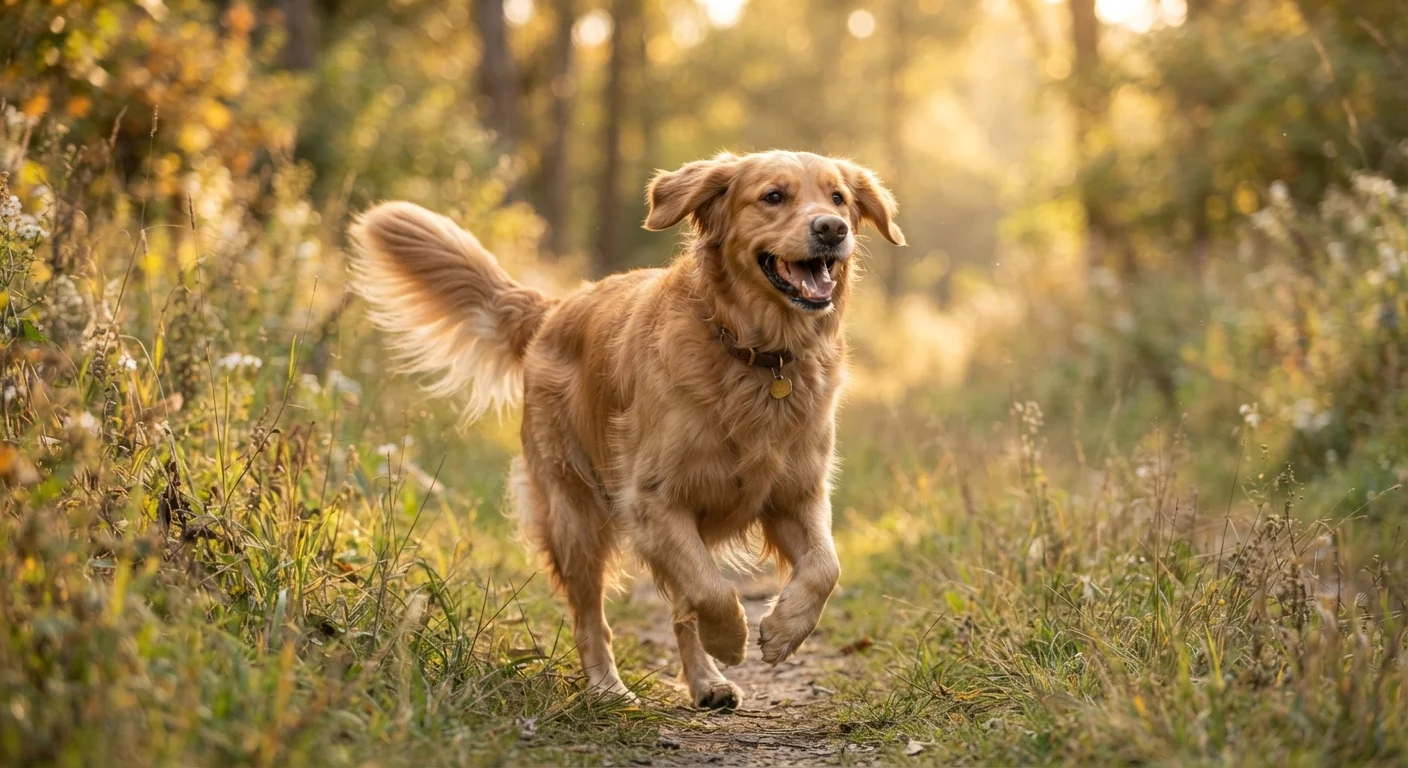
Photo credit: ResultsPivot.com | Discover Insightful Content!
In this article
Tail wagging isn't always happiness. Learn how speed, height, and direction reveal your dog's true emotional state.
Key Takeaways
- A wagging tail signals arousal or engagement, not necessarily happiness or friendliness.
- Tail height indicates confidence level — higher means more assertive, lower or tucked signals fear.
- The speed of the wag reflects intensity of emotion, whether positive or negative.
- Direction of the wag (left vs. right bias) may reveal whether a dog feels approach-positive or avoidant.
- Always read tail signals alongside the dog's overall body posture for accurate interpretation.
It's Not Just About the Wag
Most people grow up believing a wagging dog is a happy dog. It's an understandable assumption — but it's only part of the story. A tail in motion simply means a dog is emotionally activated. What that emotion actually is depends on three key variables: height, speed, and direction.
Think of it like a volume dial combined with a compass. The height tells you how confident or assertive the dog feels. The speed tells you how intensely they're feeling it. And the direction, subtle as it sounds, can hint at whether that feeling is positive or wary.
3
Key tail variables to read simultaneously
Animal behavior experts consistently identify height, speed, and direction as the three primary dimensions of tail communication in domestic dogs.
~30°
Rightward bias angle detectable by other dogs
Research published in Current Biology found that dogs responded differently to leftward vs. rightward tail wags in other dogs, suggesting they read directional cues instinctively.
Tail Height: The Confidence Meter
Where a dog holds its tail is one of the clearest windows into its emotional state. A tail held high — sometimes even curled over the back — signals confidence, dominance, or high alertness. You'll often see this when a dog spots something new and is intently focused on it.
A tail held at roughly mid-height, relaxed and loose, usually indicates a calm and comfortable dog. This is the baseline you want to see most of the time.
A low tail — tucked under the belly or just hanging limp — communicates anxiety, submission, or fear. If your dog's tail is consistently low during certain situations, like car rides or visits to the vet, that's a strong signal they're feeling stressed. Our guide on reading body language during vet visits can help you spot and respond to those stress signals more effectively.
Watch for the Full-Body Wiggle
A truly happy, relaxed wag usually involves the whole rear end, not just the tail. If your dog's hindquarters are swinging loosely alongside the tail, that's a strong indicator of positive, non-threatening excitement. A stiff body with a moving tail is worth a second look.
Speed and Direction: The Fine Print
A fast, wide wag paired with a loose, wiggly body usually means genuine excitement and friendliness — the classic "whole-body wag" many owners know and love. A slow, stiff wag from a dog with a tense body is a different signal entirely, often indicating uncertainty or a warning to back off.
The directional bias is more subtle and harder to see with the naked eye, but animal behavior researchers have found that dogs tend to wag more to the right when they feel positively about something (like seeing their owner) and more to the left when they feel stressed or uncertain. Interestingly, other dogs appear to pick up on this difference, adjusting their own behavior accordingly.
“The tail is not a simple on/off happiness switch. It's more like a nuanced emotional readout — and learning to interpret it changes how you understand your dog entirely.”
— Dr. Alexandra Horowitz, Canine cognition researcher and author of Inside of a Dog
Reading the Whole Dog
The tail is just one piece of the puzzle. A dog communicating through its tail is also signaling through its ears, eyes, posture, and mouth. A high tail paired with relaxed ears and a soft, open mouth reads very differently from a high tail combined with stiff legs, a closed mouth, and a hard stare.
When you start combining tail signals with the rest of your dog's body language, you build a much more reliable picture of how they're feeling. This is especially valuable in new social situations — at the dog park, with unfamiliar children, or when guests arrive at home.
Breed Differences Can Shift the Baseline
Some breeds naturally carry their tails in positions that look alarming to people unfamiliar with the breed — like Chow Chows, who carry their tails curled high as a default. Others, like Greyhounds, often hold their tails low even when calm. Always factor in your specific dog's typical resting tail position before interpreting deviations.
The more you practice reading your dog's tail alongside the rest of their body, the more naturally it starts to click. And once it does, your ability to step in before tension escalates — or to enjoy a genuinely happy moment together — becomes a real, everyday skill.
Frequently Asked Questions

Author
Pets Editorial Team
Pets Editorial Team is the collective byline for our editorial team and contributor network. Articles published under this byline or an editorial pen name are researched, written, and reviewed according to our editorial standards for clarity, consistency, and independence before publication.
View all articles →