
Indoor vs Outdoor Lifestyles for Cats: What the Evidence Suggests
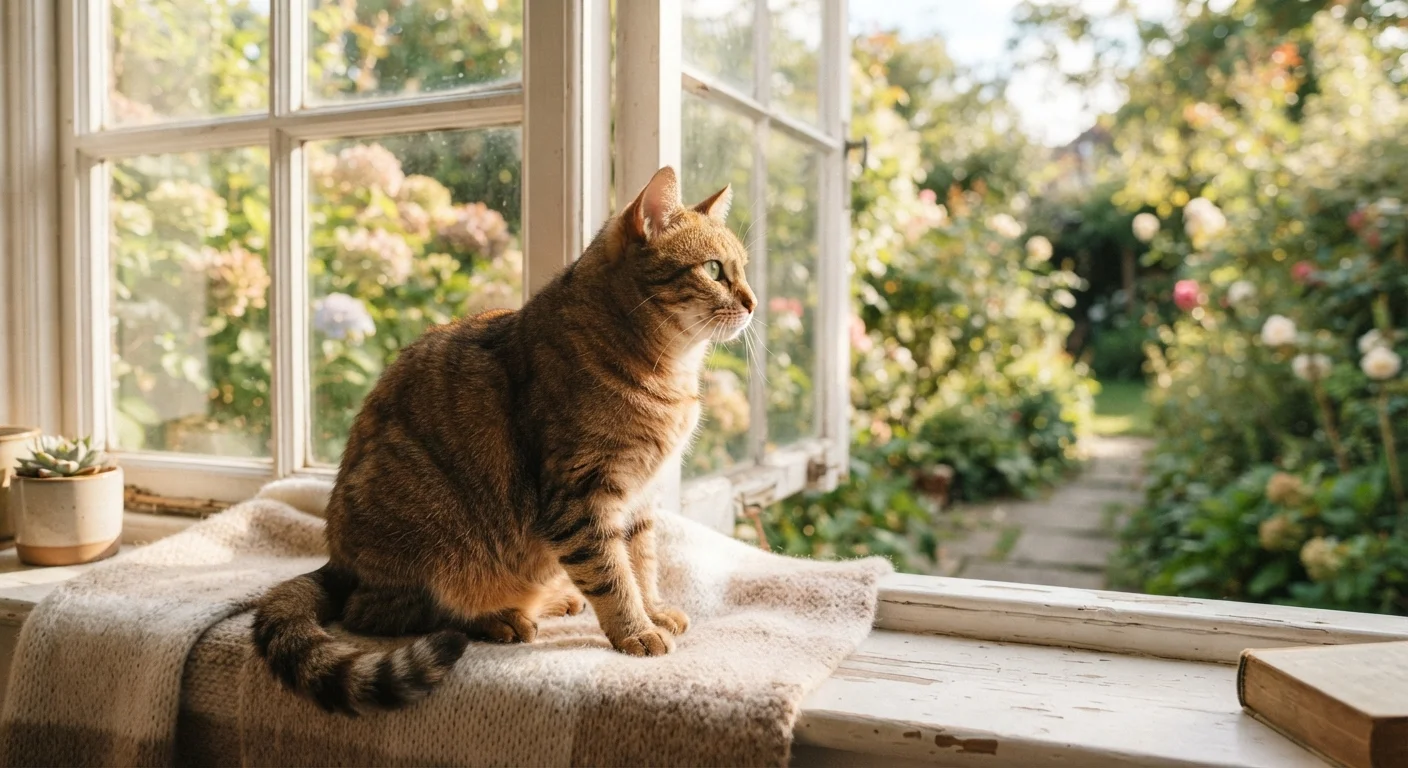
Photo credit: ResultsPivot.com | Discover Insightful Content!
In this article
Weighing the safety, enrichment, and health trade-offs of keeping cats indoors versus allowing outdoor access.
Key Takeaways
- Indoor cats generally live longer on average than cats with unrestricted outdoor access.
- Outdoor cats face higher risks from traffic, predators, disease, and toxins.
- Indoor cats can thrive with sufficient environmental enrichment and play.
- Supervised outdoor time or enclosed catios can offer a meaningful middle ground.
- A cat's individual temperament and history should guide any lifestyle decision.
What the Research Tells Us About Lifespan and Safety
Studies consistently find that indoor cats live significantly longer on average than their outdoor counterparts. Research published in veterinary literature cites median lifespans for indoor cats that are roughly two to three times longer than those of cats with free outdoor access — though individual variation is wide. The primary culprits shortening outdoor cats' lives are traffic collisions, infectious disease, predator attacks, and accidental poisoning.
Outdoor cats are also more likely to encounter feline immunodeficiency virus (FIV) and feline leukemia virus (FeLV), both of which spread through bites and close contact with infected cats. Parasites like fleas, ticks, and intestinal worms are significantly more common in cats that roam. None of this is meant to alarm — it's simply the evidence base that vets use when counseling cat owners.
2–3×
Longer average lifespan for indoor cats
Veterinary research consistently finds indoor cats outlive outdoor cats by a significant margin, though lifestyle factors vary widely.
~1.4B
Birds killed by cats in the US annually
A study published in Nature Communications estimated free-ranging cats kill between 1.3 and 4 billion birds in the US each year.
That said, risk isn't binary. A cat living in a quiet rural area faces a very different risk profile than one in a dense city neighborhood. Geography, local wildlife, and traffic patterns all matter when weighing this decision.
The Enrichment Question: Can Indoor Cats Truly Thrive?
One of the most common concerns about indoor-only cats is boredom and under-stimulation. Cats are natural hunters, and without an outlet for that drive, some develop behavioral issues — over-grooming, aggression, or anxiety. Understanding cat behavior is key to getting indoor enrichment right.
The good news is that enrichment gaps are very addressable. Regular interactive play sessions (think wand toys and puzzle feeders), cat trees, window perches, and even bird feeders placed outside a window can meaningfully engage a cat's predatory instincts. Research suggests that short, frequent play sessions that mimic a hunt — stalk, pounce, catch — are especially effective. For more on how cats' natural instincts shape their behavior, our piece on why cats knock things off tables explores the behavioral science in a fun, accessible way.
| Criterion | Indoor Lifestyle | Outdoor Access |
|---|---|---|
| Average lifespan | Longer on average | Shorter on average |
| Disease exposure risk | Lower | Higher (FIV, FeLV, parasites) |
| Traffic & predator risk | Minimal | Significant, varies by location |
| Natural enrichment | Requires active effort | Built-in through environment |
| Behavioral stimulation | Achievable with enrichment | High, but risk-laden |
| Owner control | High | Low to moderate |
| Vet care complexity | Generally simpler | More frequent parasite/vaccine needs |
Outdoor cats get natural enrichment by default — novel smells, territory to explore, and real prey to stalk. But that stimulation comes bundled with the risks outlined above. The question isn't whether outdoor life is more stimulating; it often is. The question is whether those benefits outweigh the hazards for your specific cat.
The Middle Ground: Supervised Outdoor Time and Catios
For many owners, the answer isn't all-or-nothing. Enclosed outdoor spaces — often called catios — are growing in popularity precisely because they offer fresh air, sunlight, and sensory variety without the traffic and disease risks. A well-built catio attached to a window or door can transform a cat's daily experience without putting them in harm's way.
Leash training is another option, though it suits some cats far better than others and works best when started gradually. Cats who adapt well to harnesses can enjoy garden time, neighborhood strolls, and supervised exploration. Patience is essential — most cats need weeks of positive reinforcement before they're comfortable walking on a lead.
Microchipping and ID Are Essential
Even cats that spend limited time outdoors should be microchipped and wear a breakaway collar with an ID tag. If your cat slips out unexpectedly, these measures dramatically improve the chances of a safe return. Check with your vet to ensure your cat's microchip registration details are current.
Whatever approach you choose, keeping up with vaccinations, parasite prevention, and microchipping is non-negotiable for any cat that spends time outdoors — even occasionally. Your vet is the best person to tailor those protocols to your cat's lifestyle and local disease risks. Pairing solid health habits with the right environment also means thinking about nutrition — our guide on feeding schedules and portion sizes is a useful companion read.
Making the Right Call for Your Cat
There's no universal answer here, and any vet or animal behaviorist worth their salt will say the same. A formerly feral cat who's been outdoors their whole life may show real stress when confined indoors. A kitten raised entirely inside from early socialization may never develop the survival instincts needed to navigate the outdoors safely.
Temperament, history, and local environment are the three biggest factors. Observe your cat — does restlessness, window fixation, or vocalizing suggest a need for more stimulation? Or does your cat seem content curling up in sunbeams and chasing toys? These behavioral cues are genuinely useful data. For broader context on pet behavior, our hub topic is a great place to keep exploring.
Ultimately, being a thoughtful cat owner means staying curious, consulting your vet, and being willing to adjust your approach as your cat's needs evolve. The evidence provides a framework — your cat's individual life fills in the rest.
This article is for general informational purposes only and does not constitute veterinary advice. Always consult a qualified veterinarian for guidance specific to your cat's health and circumstances.

Author
Pets Editorial Team
Pets Editorial Team is the collective byline for our editorial team and contributor network. Articles published under this byline or an editorial pen name are researched, written, and reviewed according to our editorial standards for clarity, consistency, and independence before publication.
View all articles →