
Things Pet Owners Get Wrong About Animal Nutrition
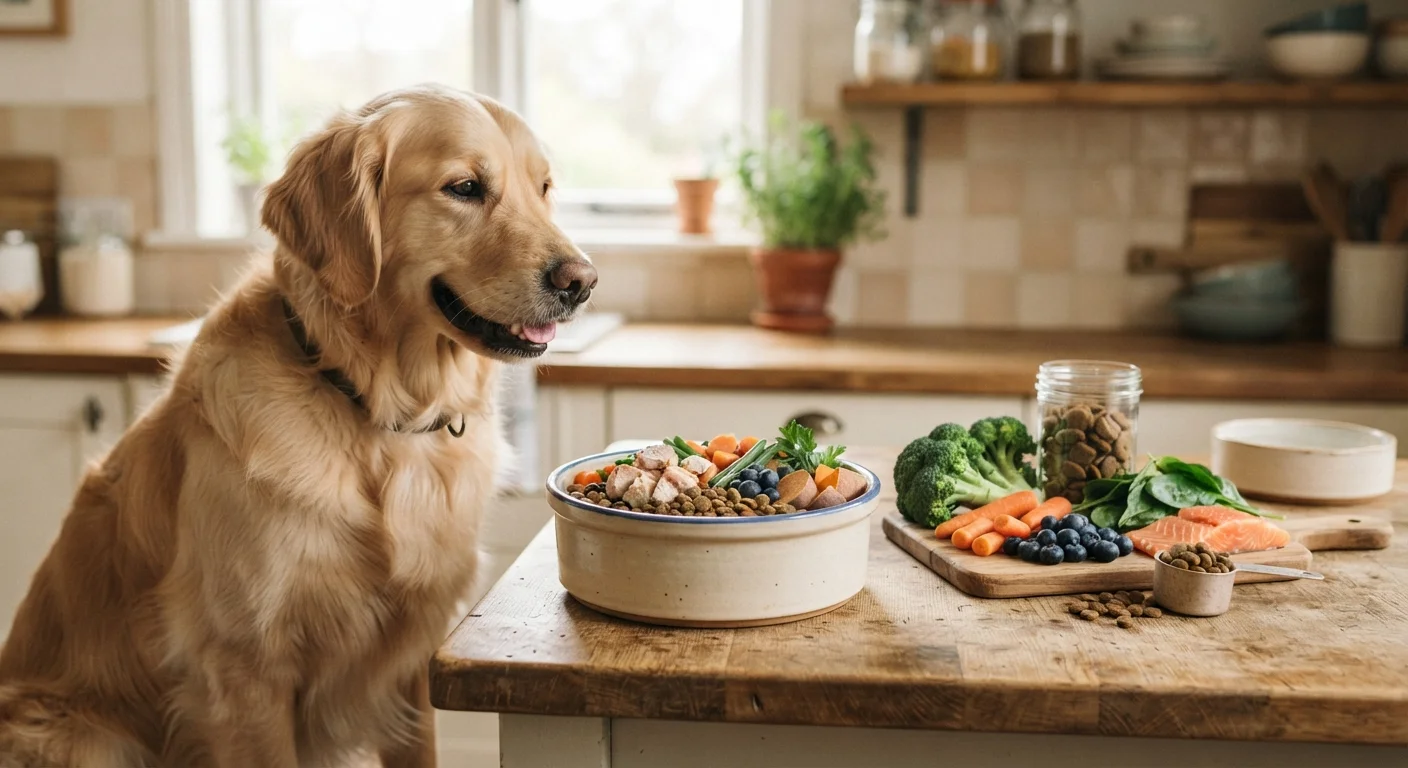
Photo credit: ResultsPivot.com | Discover Insightful Content!
In this article
From overfeeding treats to misreading portion sizes, these are the nutrition slip-ups that quietly affect your pet's long-term health.
Key Takeaways
- Overfeeding is one of the most common — and least obvious — nutrition mistakes pet owners make.
- Treats count toward daily calorie totals and can quietly unbalance an otherwise healthy diet.
- Life stage matters: puppies, adults, and seniors have meaningfully different nutritional needs.
- Homemade and raw diets require careful planning to avoid dangerous nutritional gaps.
- Always consult a veterinarian before making significant changes to your pet's diet.
Why Nutrition Mistakes Happen (And Why They're Worth Fixing)
Most pet owners are genuinely trying to do the right thing. The problem is that pet nutrition is full of half-truths, outdated advice, and packaging designed to sell rather than inform. Good intentions plus bad information is a combination that can quietly undermine a pet's health over months or years.
The good news: the most common mistakes are fixable once you know what to look for. Understanding what nutrients your pet actually needs is a solid first step. From there, it's mostly about building a few better habits — and knowing when to loop in a professional.
59%
Of US dogs and cats estimated to be overweight or obese
According to the Association for Pet Obesity Prevention's clinical surveys, well over half of American pets carry excess weight — most without their owners recognizing it.
10%
Maximum recommended daily calories from treats
Veterinary nutritionists generally suggest treats should make up no more than 10% of a pet's total daily caloric intake to preserve dietary balance.
The Most Common Nutrition Mistakes — and How to Correct Them
These six slip-ups show up repeatedly in everyday pet care. Some seem minor in isolation, but their effects can compound over time, particularly when several occur at once.
Using the feeding guide on the bag as a fixed rule rather than a starting point.
Why it happens: Packaging guidelines are calculated for average animals at average activity levels, and owners understandably trust them as authoritative.
Treating treats as calorie-free rewards that don't affect overall nutrition.
Why it happens: Treats feel like bonding moments, and it's easy to disconnect them mentally from 'real' food. Small pieces seem insignificant in isolation.
Feeding an adult formula to a puppy or kitten, or vice versa.
Why it happens: Many owners assume one good-quality food works for any life stage, especially if pets seem healthy.
Assuming a homemade or raw diet is automatically healthier than commercial food.
Why it happens: The appeal of fresh, recognizable ingredients is understandable, and online communities often amplify anecdotal success stories.
Ignoring ingredient lists and relying on marketing language like 'natural' or 'premium.'
Why it happens: Front-of-bag claims are designed to be persuasive, and decoding ingredient lists feels technical and time-consuming.
Supplementing unnecessarily — or at the wrong doses — without veterinary guidance.
Why it happens: Owners want to do right by their pets and may assume that more nutrients equal better health. Supplements marketed for pets are widely available.
Nutrition Errors Can Compound Over Time
Many diet-related health issues in pets — including obesity, organ stress, and deficiencies — develop gradually and show few obvious symptoms early on. By the time a problem is visible, it may already be advanced. Regular vet checkups are the most reliable way to catch issues before they escalate. This article is general information only and is not a substitute for professional veterinary guidance.
When to Get a Vet Involved
If your pet has gained or lost weight unexpectedly, has a dull coat, low energy, or digestive issues, nutrition could be a contributing factor — but so could underlying health conditions. Don't assume a diet change will solve what might be a medical problem. Signs your pet may be unwell aren't always dramatic, and what looks like a picky appetite can sometimes point to something more serious.
Some 'Human Foods' Are Genuinely Toxic to Pets
Grapes, raisins, onions, garlic, xylitol (found in some peanut butters and sugar-free products), and chocolate are among the foods that can be seriously harmful or fatal to dogs and cats. What's safe for people isn't always safe for animals. If your pet has ingested something potentially toxic, contact your veterinarian or an emergency animal poison helpline immediately.
A veterinarian can run bloodwork, assess body condition, and refer you to a veterinary nutritionist if needed. Proactive care — not waiting for visible symptoms — is what separates good nutrition management from reactive damage control. For more on that mindset, see why 'my pet seems fine' isn't the same as preventive care.
This article is intended for general informational purposes only and does not constitute veterinary or nutritional advice. Always consult a qualified veterinarian for guidance specific to your pet's health and dietary needs.

Author
Pets Editorial Team
Pets Editorial Team is the collective byline for our editorial team and contributor network. Articles published under this byline or an editorial pen name are researched, written, and reviewed according to our editorial standards for clarity, consistency, and independence before publication.
View all articles →