
The World's Great Market Districts and What Makes Each One Worth the Journey
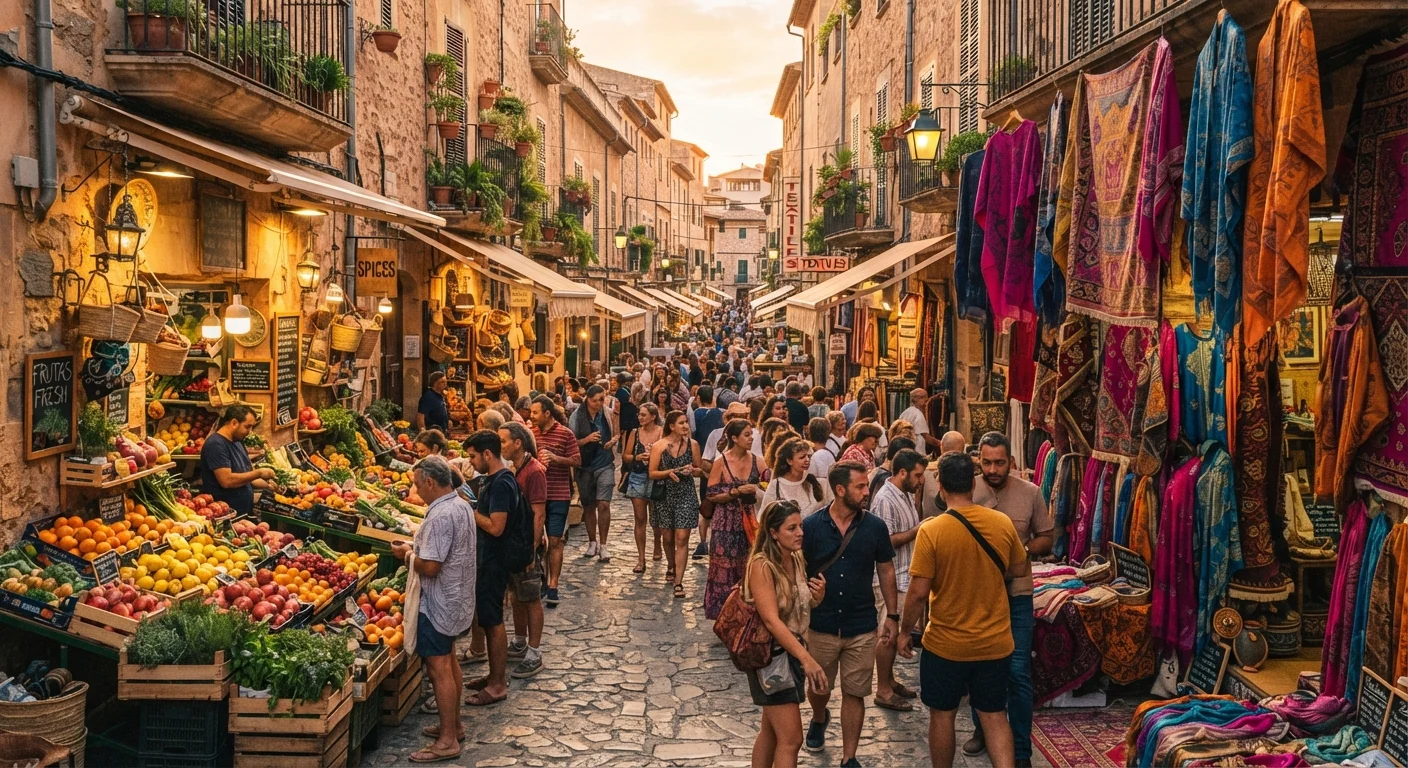
Photo credit: ResultsPivot.com | Discover Insightful Content!
From spice souks to floating markets, these remarkable market districts reveal local life in ways no museum or monument can match.
Key Takeaways
- Market districts offer unscripted, authentic glimpses into local life that curated tourist attractions rarely provide.
- Each market on this list has a distinct identity shaped by geography, trade history, and cultural tradition.
- Going early, learning a few local phrases, and arriving without a shopping agenda usually yields the richest experience.
- Understanding a destination's cultural context before visiting makes market exploration far more rewarding.
- Markets can be sensory-intense environments — plan visits for cooler, less crowded times where possible.
Why Markets Reveal What Monuments Cannot
No museum exhibit can replicate the smell of cardamom hitting warm air, the sound of a fishmonger's call echoing across wet cobblestones, or the sight of three generations working the same stall their family has occupied for a century. Market districts are cities in miniature — compressed, unfiltered, and honest about what a place actually values.
Every destination on this list rewards a visitor who arrives curious rather than transactional. Before you go, it's worth doing some homework. As our destination research guide explains, understanding a place's geography, climate, and cultural rhythms dramatically deepens what you notice on the ground. That's especially true in markets, where everything from the produce on offer to the hours vendors keep reflects centuries of local logic.
Grand Bazaar, Istanbul, Turkey
With over 4,000 shops spread across 61 covered streets, Istanbul's Grand Bazaar is one of the world's oldest and largest covered markets, tracing its roots to the 15th century. But its scale is almost beside the point. What makes it worth the journey is the layered sensory experience — hand-hammered copper lanterns catching the light, the scent of freshly ground Turkish coffee, and carpet dealers who treat conversation as the real product. Venture past the main thoroughfares into the quieter inner streets to find goldsmiths, textile wholesalers, and workshops that supply the market itself.
The Grand Bazaar's quieter inner streets reveal a working city within a city.
Damnoen Saduak Floating Market, Thailand
About 60 miles southwest of Bangkok, this network of canal-side stalls has been feeding the surrounding region for generations. Vendors paddle narrow wooden boats loaded with tropical fruits, grilled skewers, and fresh noodle soups — conducting commerce the same way their predecessors did before roads made it optional. Visiting early in the morning, before tour groups arrive, reveals the market functioning as it genuinely does for locals: practical, fast-moving, and wonderfully chaotic. The visual drama of color-laden boats reflected in brown water is as striking as anything in a photography collection.
Arriving before 8 a.m. transforms Damnoen Saduak from a spectacle into an authentic slice of daily life.
Djemaa el-Fna, Marrakech, Morocco
UNESCO recognized Djemaa el-Fna not as a building or a ruin, but as an intangible cultural heritage — a testament to how the square functions as living performance. By day, the plaza hosts juice stalls, henna artists, and snake charmers. By dusk, it transforms into one of the world's great open-air theaters: smoke from dozens of food carts drifts past storytellers, musicians, and acrobats. The surrounding souk district, organized by trade (the dyers' quarter, the leather district, the spice market), rewards anyone willing to navigate its deliberately labyrinthine layout.
Djemaa el-Fna is one of the few places on earth UNESCO protects for its living human performance, not its architecture.
Borough Market, London, United Kingdom
Operating in some form near London Bridge since at least the 13th century, Borough Market has evolved into one of Britain's most celebrated food markets without losing its working-market character. Wholesale trading still happens alongside the retail stalls, and the produce reflects both British culinary tradition and the city's remarkable diversity — Monmouth coffee, Neal's Yard cheeses, West African spices, and freshly made pasta all occupy adjacent stalls. The architecture, a Victorian iron-and-glass canopy, adds drama without pretense. It's the kind of place where a rainy Thursday morning feels more atmospheric than a sunny weekend afternoon.
Borough Market's wholesale roots keep it grounded in a way that purely tourist-facing food halls rarely achieve.
Tsukiji Outer Market, Tokyo, Japan
While the famous wholesale fish auctions relocated to Toyosu, the Tsukiji outer market — the grid of vendor stalls surrounding the former inner market — continues operating as one of Tokyo's most vibrant food destinations. Tamagoyaki (Japanese rolled omelette) vendors, knife shops that have been sharpening blades for decades, and fishmongers selling species most Western visitors couldn't name are all part of the texture here. The surrounding Tsukiji neighborhood, with its temple, restaurants, and delivery logistics, illustrates how a single market can anchor an entire urban district's identity and daily rhythm.
Tsukiji's outer market shows how food culture and neighborhood identity become inseparable over generations.
Mercado Central de Santiago, Chile
Built in the 1870s using a prefabricated iron structure designed in England and assembled in Chile, Santiago's Central Market is as much an architectural marvel as a culinary one. The ornate wrought-iron dome shelters some of the finest seafood in South America — sea bass, king crab, and congrio (conger eel, the subject of a famous Pablo Neruda ode) are staples. The market operates on two registers: tourist-facing restaurants at the center, and more modest eateries and wholesale stalls around the perimeter where locals actually eat. The perimeter is where the real experience lives.
The perimeter stalls of Santiago's Mercado Central, not the center restaurants, are where authentic market dining happens.
Making the Most of Any Market Visit
The pattern of missing a city's most interesting corners is well-documented — and markets are among the first casualties. First-time visitors often overlook exactly these kinds of neighborhood-scale experiences in favor of headline attractions. Arriving at a market without a checklist, lingering over a cup of tea with a vendor, or simply watching the rhythm of transactions unfold can reframe an entire trip.
Go early, go often, go without a plan
The most rewarding market experiences almost always happen before 9 a.m., when vendors are setting up and the crowd is local. If you're visiting over several days, consider returning to the same market twice — once to orient yourself, once to linger. Bringing cash in small denominations and learning a few words of the local language (even just a greeting) changes the dynamic instantly.
For more practical trip-planning tools and destination guidance, explore our Travel Tips hub — and for a broader look at how market culture shapes the way we travel and live, visit the Travel Lifestyle hub.
A note on conditions and accessibility
Market districts can be crowded, loud, uneven underfoot, and challenging to navigate for visitors with mobility considerations. Hours, stall availability, and market character can also shift significantly by season or day of week. Before visiting any market on this list, verify current opening conditions through official tourism sources or local government websites, as schedules and layouts can change.

Author
Travel Editorial Team
Travel Editorial Team is the collective byline for our editorial team and contributor network. Articles published under this byline or an editorial pen name are researched, written, and reviewed according to our editorial standards for clarity, consistency, and independence before publication.
View all articles →