
Why First-Time Visitors Often Miss the Most Interesting Parts of a City
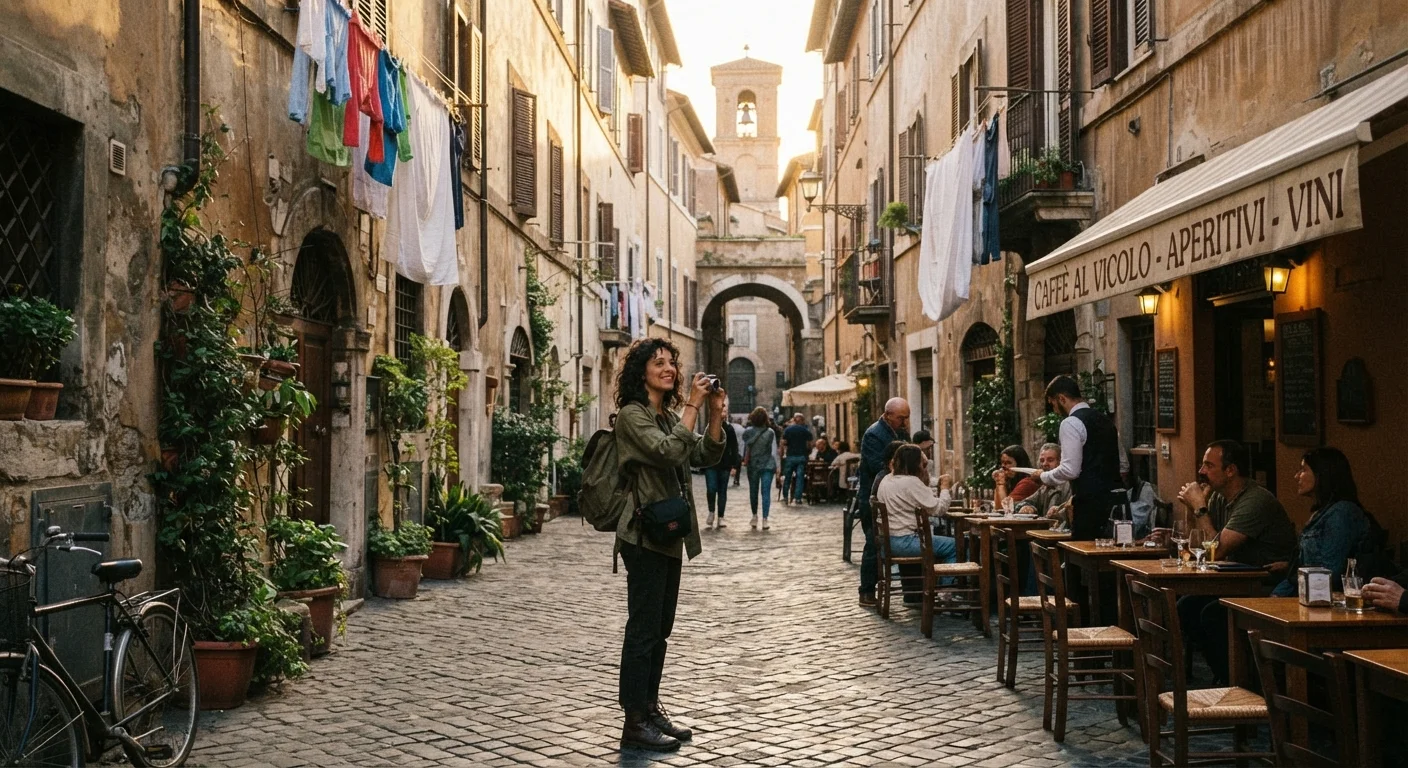
Photo credit: ResultsPivot.com | Discover Insightful Content!
In this article
Iconic sights tend to draw attention away from the neighbourhoods, markets, and rhythms that define a city. Here's how that pattern plays out — and shifts.
Key Takeaways
- Iconic landmarks dominate first-time itineraries, leaving local neighbourhoods and rhythms unexplored.
- Over-scheduling leaves no room for the spontaneous discoveries that define memorable travel.
- Arriving without cultural context means missing the meaning behind what you're seeing.
- Moving between sights by taxi or metro erases the street-level life connecting them.
- Eating near major attractions often means missing the food scenes locals actually care about.
The Landmark Trap: When the Map Becomes the Whole Trip
Every city has its greatest hits — the tower, the cathedral, the famous square — and those places exist on every first-timer's list for good reason. But when the itinerary is built entirely around checking off landmarks, the city in between them goes unseen. The neighbourhood fish market that's been running since the 1800s. The park where families gather on Sunday mornings. The backstreet bakery whose smell alone tells you something real about a place.
This is the central tension of first-time travel: the pull of the known versus the reward of the unscripted. Iconic sights tend to be genuinely impressive, but they're also designed to receive millions of visitors — which means they often feel more like a performance of place than the place itself. Popular landmarks don't always match expectations, and the gap between image and reality can be jarring without other discoveries to balance the trip.
Building an itinerary entirely around landmark attractions, leaving no time for residential neighbourhoods or everyday life.
Why it happens: Landmarks are the most visible, heavily documented parts of any city — they feel like the 'safe' choice when planning a trip somewhere new.
Over-scheduling every hour, leaving zero margin for spontaneity or rest.
Why it happens: With limited time, the instinct is to pack in as much as possible — but this turns travel into logistics management rather than experience.
Eating only at restaurants immediately adjacent to tourist attractions.
Why it happens: Hunger strikes when you're already at a landmark, and the nearest option feels convenient. These spots are often priced for tourists and optimised for turnover.
Moving between sights exclusively by taxi or metro, never at street level.
Why it happens: Efficiency feels important, especially with a long list of places to visit. Ride-hailing apps make it easy to skip the streets entirely.
Arriving without any cultural or historical context for what you're seeing.
Why it happens: Many travellers assume the experience of being somewhere will explain it. In practice, context shapes perception — without it, even remarkable places can feel flat.
How to Actually See a City You've Never Visited
The antidote isn't to skip the famous sights — it's to loosen the grip they have on your time and attention. A few deliberate habits can completely change what you take away from a first visit.
~80%
Of tourist spending concentrated in major landmarks
Research on urban tourism patterns consistently finds that visitor spending and time are heavily concentrated in a small number of high-profile sites, leaving much of a city economically and experientially untouched.
3–4 hrs
Average time spent at top-ranked city attractions
Studies of urban visitor behaviour suggest first-time tourists spend the majority of their city time at a handful of marquee sites, often at the expense of broader neighbourhood exploration.
Read the place before you land. Understanding a city's geography, cultural history, and neighbourhoods transforms what you notice on the ground. Building that foundation before you arrive pays off from the moment you step outside the airport.
Walk between things. Resist the urge to optimise every transfer. The streets connecting attractions hold enormous amounts of information — architecture, local commerce, how people move through space. That 20-minute walk you almost skipped is often the thing you remember.
Let one morning go unplanned. Follow whatever catches your eye. Markets are especially rewarding for this — they concentrate everyday life in one place. Great market districts around the world reveal local life in ways no monument can replicate.
Question your assumptions. Even well-intentioned travellers carry cultural frameworks that shape — and sometimes distort — what they see. Common cultural misconceptions among travellers are worth confronting before, not after, a trip.
Unplanned Doesn't Mean Unprepared
Leaving time unscheduled is different from arriving with no preparation at all. Particularly for remote or unfamiliar destinations, understanding safety considerations, local customs, and entry requirements is essential groundwork. Off-the-beaten-path travel rewards curiosity — but it demands real preparation before you go.
None of this requires abandoning structure. It just means building in enough breathing room that the city can surprise you — which, reliably, it will.
Travel information in this article is general and educational in nature. Entry requirements, local conditions, and safety considerations vary by destination and can change; always verify current details with official government and provider sources before travelling.

Author
Travel Editorial Team
Travel Editorial Team is the collective byline for our editorial team and contributor network. Articles published under this byline or an editorial pen name are researched, written, and reviewed according to our editorial standards for clarity, consistency, and independence before publication.
View all articles →