
Packing for a Two-Week Trip in a Single Carry-On
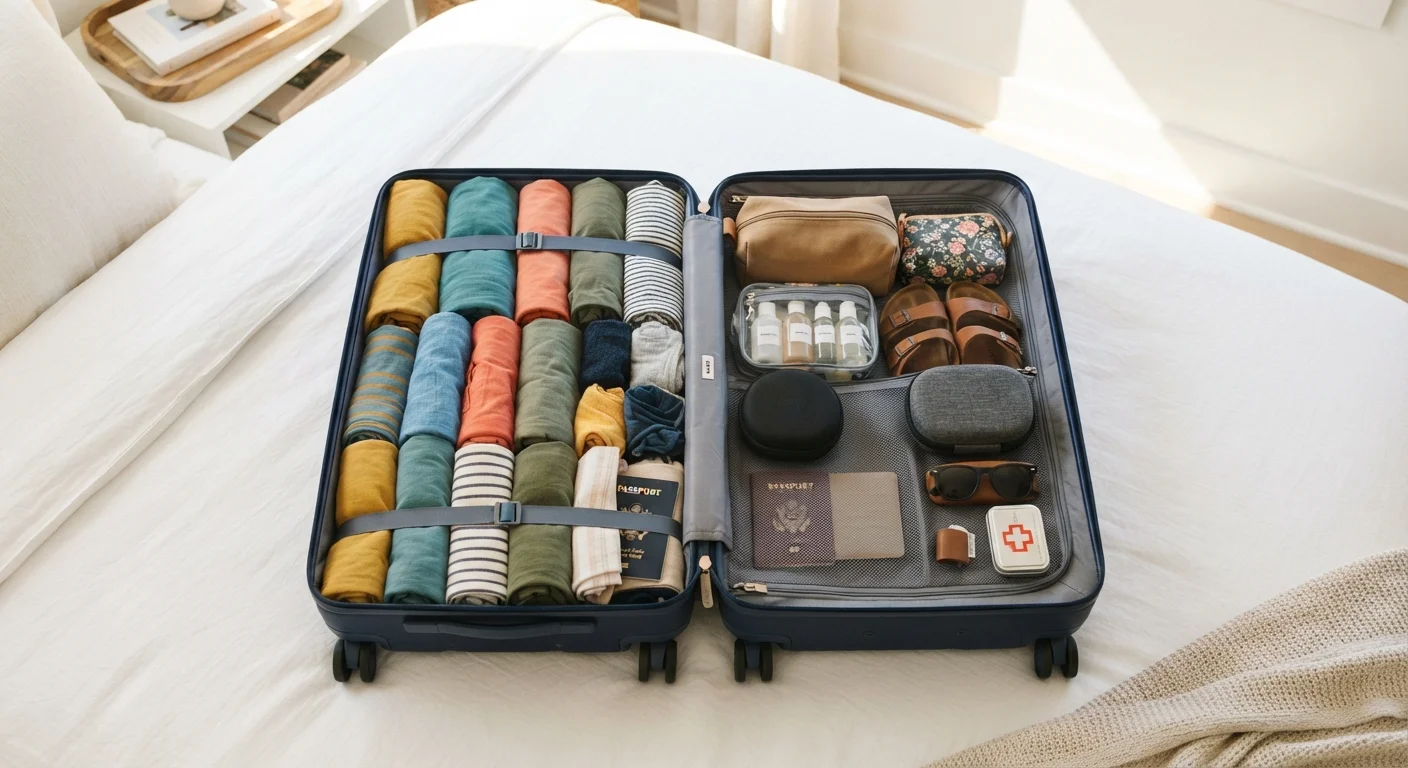
Photo credit: ResultsPivot.com | Discover Insightful Content!
In this article
A carry-on can hold more than you think. Learn the folding techniques, clothing choices, and packing logic that make it genuinely possible.
Key Takeaways
- Choosing versatile, mix-and-match clothing is the single biggest factor in packing light.
- Rolling clothes and using packing cubes dramatically increases how much fits without wrinkling.
- Toiletries are often the biggest space wasters — decanting into small containers helps.
- Wearing your bulkiest items on travel day frees up significant bag space.
- Doing laundry once mid-trip removes the need to pack for every single day.
Why One Carry-On Is Actually Enough
The idea of squeezing two weeks of life into a single carry-on sounds extreme — until you realize that most of us drastically overestimate what we need on the road. Seasoned travelers tend to pack far less than first-timers, not because they go without, but because they've learned which items genuinely earn their space and which ones ride along out of anxiety.
The carry-on approach isn't just about avoiding checked baggage fees. It means faster airport exits, no lost luggage risk, and the freedom to move spontaneously without dragging heavy bags across cobblestones. And if you're curious how this mindset extends beyond a single trip, packing light can genuinely shift how you think about ownership long after you get home.
What you will need
What You'll Need Before You Start
Before diving into packing technique, setting yourself up with the right gear and mindset makes the whole process smoother. Here's what to have on hand:
Carry-on suitcase or backpack
Your primary bag — must fit within airline overhead bin dimensions, which vary by carrier.
Packing cubes
Compress and organize clothing into distinct categories, making the bag easier to navigate and repack on the road.
Clear quart-sized toiletry bag
Required for liquids in carry-on security screening and keeps liquids contained if anything leaks.
Small decant bottles (travel-sized)
Transfer just enough shampoo, conditioner, and other liquids for two weeks instead of carrying full-size bottles.
Laundry sheet strips or a small soap bar
Allows hand-washing clothing in a sink mid-trip, cutting your clothing load nearly in half.
Wrinkle-release spray
Refreshes rolled clothes quickly without needing an iron, useful for slightly wrinkle-prone fabrics.
Once you've gathered these, find a clear surface — a bed or large table works best — and lay out everything you think you want to bring. This visual audit is step one, and it often reveals just how much you planned to overpack.
How to Pack: Step by Step
Follow these steps in order. Each one builds on the last, and skipping ahead tends to mean repacking from scratch.
Lay Out Everything — Then Cut It in Half
Spread every item you plan to bring onto a flat surface. Be honest about what's truly there out of habit versus genuine need. A general rule: plan for 7 days of outfits, not 14 — because you'll do laundry at least once. Then look at your pile and aim to remove 20–30% more before you start packing.
Build a Versatile Clothing Capsule
The goal is a wardrobe where nearly every top works with every bottom. Stick to two or three complementary colors. Choose lightweight, quick-dry fabrics like merino wool or synthetic blends — they resist odor, pack small, and dry overnight if hand-washed. A typical two-week carry-on wardrobe might include:
- 5–6 tops (mix of casual and one slightly elevated option)
- 2–3 bottoms (one of which can double as evening wear)
- 1 lightweight layer or jacket
- 3–4 pairs of underwear and socks (planning on laundry)
- 2 pairs of shoes worn and packed — one comfortable walking shoe, one versatile option
Roll, Don't Fold
Rolling clothes tightly rather than folding them flat creates significantly more usable space and reduces creasing on most fabrics. Roll each item into a firm cylinder and stand them upright in packing cubes so you can see everything at once — no digging required. Heavier items like jeans or a jacket should be placed at the bottom of the bag near the wheels.
Pack Toiletries with a Ruthless Minimum
Toiletries are consistently the biggest carry-on space drains. Decant only what you need into small bottles — most trips of two weeks require far less than a full-size bottle of anything. Solid toiletries (shampoo bars, solid moisturizer, toothpaste tablets) sidestep the liquids limit entirely. Reserve your quart bag for true liquids only: sunscreen, contact solution if needed, and any liquid medication.
Wear Your Bulkiest Items on Travel Day
Your heaviest shoes, thickest jacket, and any bulky accessories should be on your body when you board — not in your bag. This single move can free up a surprising amount of carry-on space. Stuff jacket pockets with small items like headphones, chargers, or a neck pillow to further reduce what goes into the bag.
Plan for One Mid-Trip Laundry Stop
Committing to washing clothes once during your trip — whether at a laundromat, using a hotel laundry service, or hand-washing in a sink — is what makes a 7-day clothing load work for 14 days. Pack a few laundry sheet strips or a tiny bar of soap to make sink-washing easy. Quick-dry fabrics will typically be ready to wear again within a few hours.
The Phone Test for Last-Minute Doubts
If you're second-guessing an item at the last minute, ask yourself whether you could buy it locally for a reasonable price if you truly needed it. If yes, leave it home. Most destinations have pharmacies, grocery stores, and clothing shops that cover gaps. Overpacking to avoid this scenario costs you more in hassle than it saves.
For travelers planning extended stays or building new routines on the road, staying flexible with your daily habits matters just as much as what's in your bag.
Common Pitfalls and How to Avoid Them
Even with good intentions, a few mistakes consistently derail carry-on packing attempts.
Don't Pack 'Just in Case' Items
The most common packing mistake is loading up on items for scenarios that rarely materialize — formal outfits for dinners that don't happen, multiple backup shoes, or a full first-aid kit for a well-serviced destination. These items fill your bag and stay untouched. Pack for your actual itinerary, not every possible one.
Verify Airline Size Limits Before You Travel
Carry-on size restrictions vary significantly between airlines — and even between fare classes on the same airline. A bag that qualifies on one carrier may be gate-checked on another. Always check the specific size and weight allowances for your booked flight before you pack, and measure your bag when it's full. Surprises at the gate are stressful and can mean last-minute fees.
The biggest mental shift is accepting that you won't have everything — and realizing you probably won't need it either. Most destinations have pharmacies, laundromats, and shops where you can pick up anything you genuinely forgot. Travel light, stay flexible, and trust the process.

Author
Travel Editorial Team
Travel Editorial Team is the collective byline for our editorial team and contributor network. Articles published under this byline or an editorial pen name are researched, written, and reviewed according to our editorial standards for clarity, consistency, and independence before publication.
View all articles →