
Living Out of a Bag: How Minimalist Packing Shapes the Way Travelers Think About Ownership
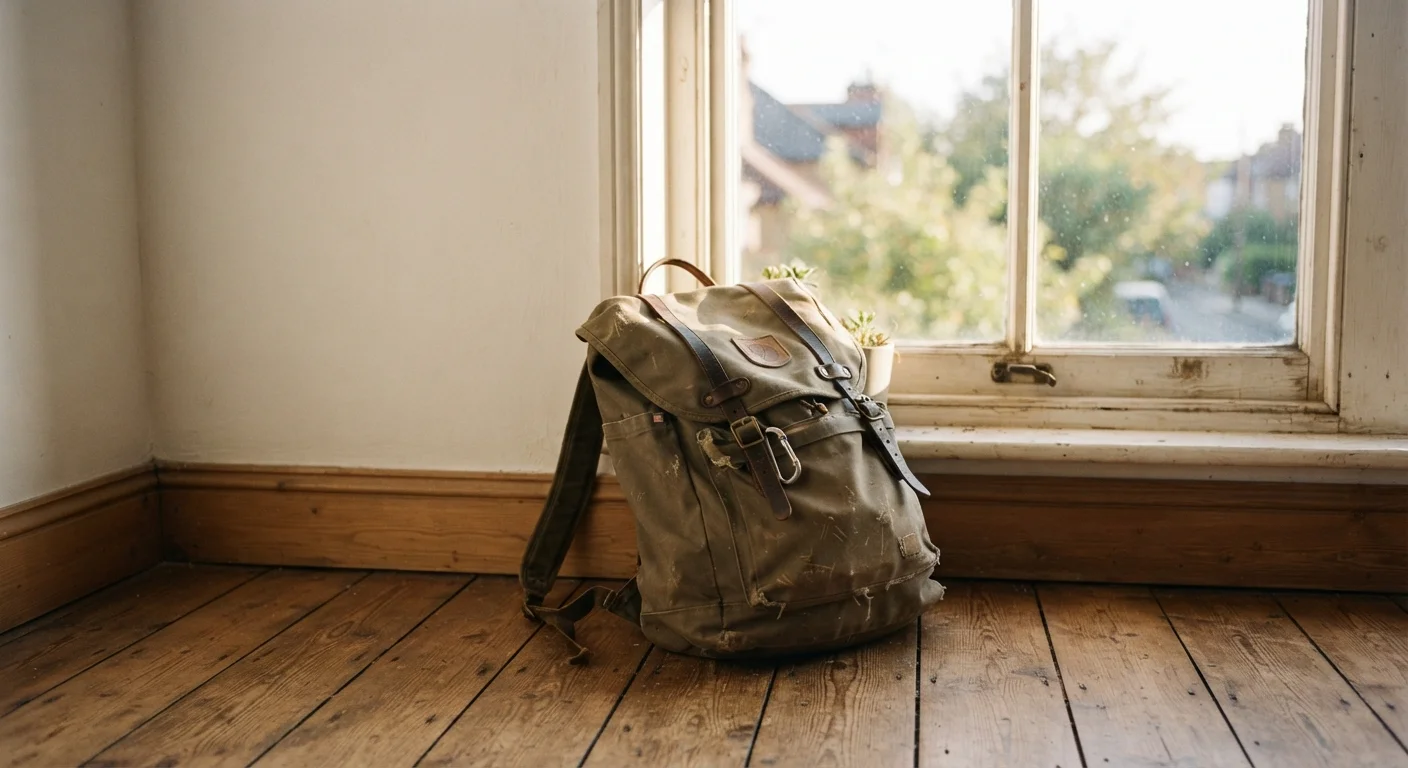
Photo credit: ResultsPivot.com | Discover Insightful Content!
In this article
Packing light isn't just a logistics choice — it often shifts how travelers relate to possessions and comfort at home. Here's what the research and experience suggest.
Key Takeaways
- Packing light forces travelers to distinguish between genuinely useful items and habitual excess.
- Many one-bag travelers report lasting changes in how they shop and organize at home.
- The mindset shift is usually gradual — triggered by repeated travel, not a single trip.
- Minimalist packing doesn't require extreme sacrifice; versatility replaces volume.
- Research on voluntary simplicity suggests reduced ownership can improve perceived well-being for some people.
The Constraint That Becomes a Revelation
Most people discover minimalist packing by accident. A budget airline's strict carry-on policy, a backpacking itinerary through multiple cities, or simply the exhaustion of dragging checked luggage through cobblestone streets — something forces the experiment. And then, somewhere between day three and day ten, a quieter realization sets in: you don't miss most of what you left behind.
That moment is where the mindset shift begins. Packing light stops being a logistical workaround and starts feeling like useful information about yourself — specifically, about the gap between what you own and what you actually need. As one often-cited idea in travel culture goes, you spend the first half of a trip wishing you'd packed more and the second half realizing you packed too much.
For travelers who take that lesson seriously, it rarely stays contained to the suitcase. See how frequent travel quietly rewires everyday habits — from what you buy to how you organize your living space.
Try a Trial Run Before Committing
If you're curious about minimalist packing, test it on a short domestic trip before a longer one. Pack only what fits in a carry-on, use everything for three or four days, and note honestly what you wished you had versus what went untouched. That data point is worth more than any packing list.
What You Actually Use vs. What You Own
The single most common observation among experienced one-bag travelers is a striking one: over a two-week trip, most people reach for roughly the same five or six items on rotation. Everything else — the backup outfit, the just-in-case jacket, the shoes packed for a dinner that never materialized — stays folded at the bottom of the bag.
This isn't a character flaw. Behavioral research on material goods suggests that humans are generally poor at predicting which possessions will bring them satisfaction in new contexts. We pack for imagined versions of a trip rather than the trip we'll actually have. Repeated travel tends to calibrate that instinct over time.
~5–6
Clothing items most one-bag travelers regularly use
A commonly reported pattern among experienced minimalist travelers is that only a small rotation of items gets worn, regardless of how much was packed.
72%
Travelers who say they over-packed on their last trip
According to a 2019 survey conducted by luggage research firm OnePoll on behalf of a travel brand, nearly three-quarters of respondents felt they brought too much on their most recent trip.
The practical upshot is a growing comfort with versatility over volume. Travelers start evaluating clothing and gear differently — not by how many situations an item could serve, but by how many it reliably does serve. That reframe has a way of bleeding into home wardrobes and closets. If you're curious how that plays out in daily life, the capsule closet vs. traditional wardrobe debate explores exactly that tension.
The Psychology of Owning Less, Temporarily
There's a meaningful difference between choosing to own fewer things and being forced to. Minimalist travel belongs to the first category — it's a voluntary constraint, and that voluntariness matters. Psychologists studying voluntary simplicity have found that people who deliberately reduce consumption often report higher satisfaction with what remains, at least in the short term.
Travel creates a contained, low-stakes environment in which to test that finding. You're not giving anything up permanently; you're just leaving it at home. But that temporary reduction can surface some durable insights — chiefly, that the discomfort of not having something usually passes faster than anticipated.
“The things you own end up owning you. It's only after you lose everything that you're free to do anything.”
— Chuck Palahniuk, American novelist, author of Fight Club
This is also why the mindset shift tends to be gradual rather than sudden. A single weekend trip rarely rewires anyone's relationship with ownership. But travelers who pack light repeatedly, across different climates and trip lengths, often describe a slow erosion of their attachment to backup options and just-in-case items. You can explore the flip side of this dynamic — why letting go feels hard in the first place — in our look at the psychology behind why we hold on to clutter.
When the Bag Comes Home
The most interesting part of the minimalist packing story happens after the trip. Many travelers describe unpacking as a kind of audit — looking at what they brought versus what they used and feeling a sharpened skepticism about their existing possessions. Closets, junk drawers, and storage units start looking different when you've just proven to yourself that you can live well out of a 20-liter pack for two weeks.
This doesn't mean everyone returns from a trip and donates half their wardrobe. The effect is more subtle for most people: a little more hesitation before buying something new, a bit more willingness to let things go. For some, it goes further — toward deliberately building the kind of versatile, intentional wardrobe or home setup that mirrors what they practice on the road. The home organization strategies that feel abstract in theory often become concrete after a few minimalist trips.
Minimalism Looks Different for Everyone
One-bag travel is a useful framework, not a moral standard. Travelers with medical devices, young children, accessibility needs, or professional gear requirements may need significantly more than a single pack — and that's entirely reasonable. The underlying principle (bringing what you genuinely use, not what you might use) scales to any luggage size.
It's worth noting that the mindset doesn't suit everyone equally. People with family responsibilities, medical equipment needs, or work requirements that demand specific gear may find one-bag travel impractical. And for those considering whether a more nomadic lifestyle makes sense long-term, there are deeper questions worth exploring — our guide on embracing a nomadic lifestyle walks through those honestly. The packing philosophy is a useful lens, but it's one piece of a much larger picture.
Frequently Asked Questions

Author
Travel Editorial Team
Travel Editorial Team is the collective byline for our editorial team and contributor network. Articles published under this byline or an editorial pen name are researched, written, and reviewed according to our editorial standards for clarity, consistency, and independence before publication.
View all articles →