
Your First Car Show: A Grounded Guide for Newcomers
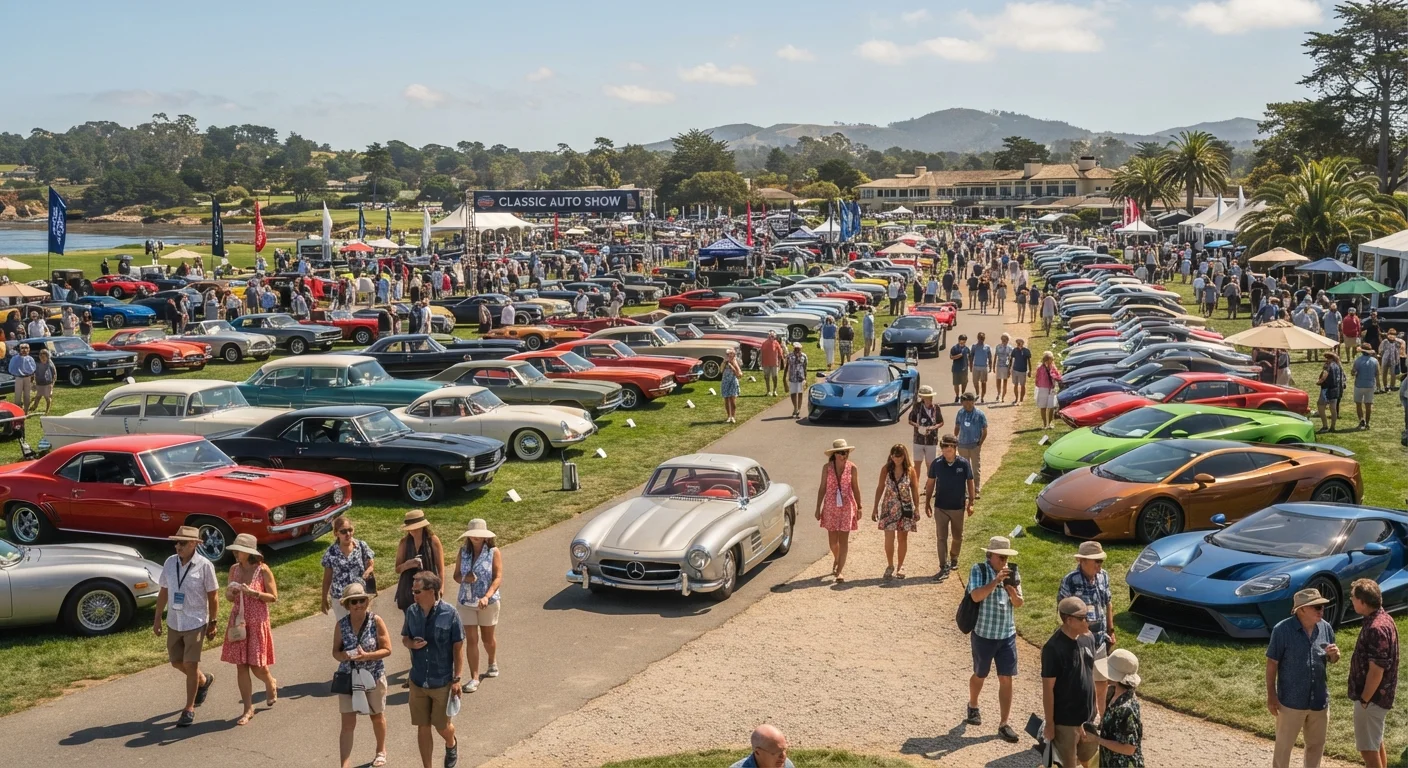
Photo credit: ResultsPivot.com | Discover Insightful Content!
In this article
Attending your first car show can feel overwhelming. This guide covers what to expect, how to engage, and what to look out for.
Key Takeaways
- Car shows range from small local meets to large ticketed events — each has its own vibe and crowd.
- Comfortable shoes, sunscreen, and a charged phone are your practical essentials for show day.
- Most car enthusiasts genuinely enjoy talking about their vehicles — polite curiosity is always welcome.
- Never touch a displayed car without the owner's explicit permission.
- You don't need to own a special car — or any car — to enjoy and belong at a car show.
What Actually Happens at a Car Show
A car show is essentially a gathering where vehicle owners display their cars for others to admire, discuss, and sometimes judge competitively. That's the core of it — but the experience varies a lot depending on the type of event.
Smaller community shows often take place in parking lots or local parks, with a relaxed atmosphere and no entry fee. Larger regional events may involve tickets, trophied judging categories, vendor stalls, food trucks, and scheduled entertainment. Some shows are themed around a specific era or style — think all-American muscle cars or Japanese imports — while others welcome anything on four wheels.
The common thread is community. People come to connect over a shared interest, swap stories, and spend time around vehicles they find genuinely interesting. If you show up with open eyes and a relaxed attitude, you'll find there's a lot to take in even if you can't tell a carburetor from a crankshaft.
Concours d'Elegance
A high-end judged car show format focused on the elegance, originality, and condition of classic or rare vehicles. Pronunciation: "con-CORE deh-eh-LON-ce."
Show car
A vehicle that has been specifically built, restored, or modified to be displayed at car shows, often prioritizing appearance over everyday drivability.
Patina
The natural aging, rust, or worn finish on an older vehicle that is intentionally preserved rather than restored, valued by some collectors for its authenticity.
Judged class
A competitive category at a car show where vehicles are evaluated by judges and awards are given based on criteria like originality, condition, or theme.
Stance
The way a car sits relative to the road — particularly its ride height and wheel positioning. "Stance" is also a popular style of modification that lowers a car and adjusts wheel angles for a specific visual look.
What to Bring and How to Prepare
Car shows are almost always outdoors and can run for several hours. A little preparation goes a long way toward making the experience enjoyable rather than exhausting.
- Comfortable footwear: You'll be on your feet and walking across pavement for most of the event.
- Sun protection: Sunscreen, a hat, and sunglasses are worth having — especially at summer shows with little shade.
- Water: Hydration is easy to overlook when you're engaged in conversation. Bring a bottle.
- A charged phone: Useful for photos, looking up cars that catch your eye, and navigating the venue.
- Cash: Some vendors and entry gates are cash-only, even at well-organized events.
Beyond the physical basics, do a quick check of the event details beforehand. Look at the show's social media page or website to understand the theme, parking situation, and schedule. Knowing roughly what kind of vehicles to expect helps you arrive with the right frame of mind.
Arrive Early for the Best Experience
The first hour of a car show is usually the most rewarding. Crowds are thinner, owners are fresher and more conversational, and you have more space to move around and take photos without jostling for position. Arriving at or just before the opening time makes a noticeable difference in how relaxed the experience feels.
How to Engage Without Feeling Out of Place
The most common concern first-timers have is feeling like an outsider — like everyone else knows something they don't. The reality is that car culture is generally welcoming, particularly toward people who show genuine interest.
Start simple: walk the show at your own pace, stop at cars that catch your eye, and read any information cards displayed on or near the vehicle. Many owners place a card on the dash listing the car's specs, history, or modification details.
If an owner is standing near their car, it's usually fine to strike up a conversation. A straightforward comment or question — "How long have you had it?" or "What made you choose this one?" — is all the opener you need. Most owners are happy to talk; they showed up specifically to share their passion. For a deeper look at community expectations, the unwritten rules of a car meet is worth reading before you go.
Photography is generally welcomed and even appreciated — just be mindful of other attendees, and ask before shooting the interior or leaning in close.
You Don't Need to Know Everything
Car shows attract people across a wide spectrum of knowledge — from lifetime mechanics to people who simply like how a certain vehicle looks. Nobody is going to quiz you. Asking genuine questions is far more appreciated than pretending expertise you don't have, and most enthusiasts are happy to explain the story behind their build.
Things to Watch Out For
A few practical things can catch first-timers off guard, so it helps to know them in advance.
Parking and traffic: Popular shows draw large crowds, and parking near the venue can be chaotic. Arriving early — often 20 to 30 minutes before the listed opening — makes a real difference. Some events designate overflow parking areas, so check the event page for details.
Noise levels: Some shows include engine rev-ups, exhaust demonstrations, or live music. If you're sensitive to noise or bringing young children, it's worth being prepared.
The "no touch" rule: This one carries real weight in car communities. Never open a car door, touch the paint, or sit inside a displayed vehicle without the owner's clear permission. Even resting a hand on a fender is considered poor form. This is the single most important etiquette point for newcomers, and car meet etiquette covers it in more depth.
Finally, don't stress about knowing everything. Curiosity and respect go further than technical knowledge. If you drive home wanting to know more about your own vehicle — maybe even curious about what's going on under your own hood — that's the natural next step. Our walkthrough on checking your car's essential fluids is a good place to channel that energy.
Never Touch a Displayed Vehicle Without Asking
This is the most important etiquette rule in car show culture. Even a brief hand on a freshly polished hood can leave marks that take hours to correct. Always ask the owner before touching, opening, or photographing the interior of any displayed car — and gracefully accept if they say no.
Frequently Asked Questions

Author
Automotive Editorial Team
Automotive Editorial Team is the collective byline for our editorial team and contributor network. Articles published under this byline or an editorial pen name are researched, written, and reviewed according to our editorial standards for clarity, consistency, and independence before publication.
View all articles →