
The Unwritten Rules of a Car Meet
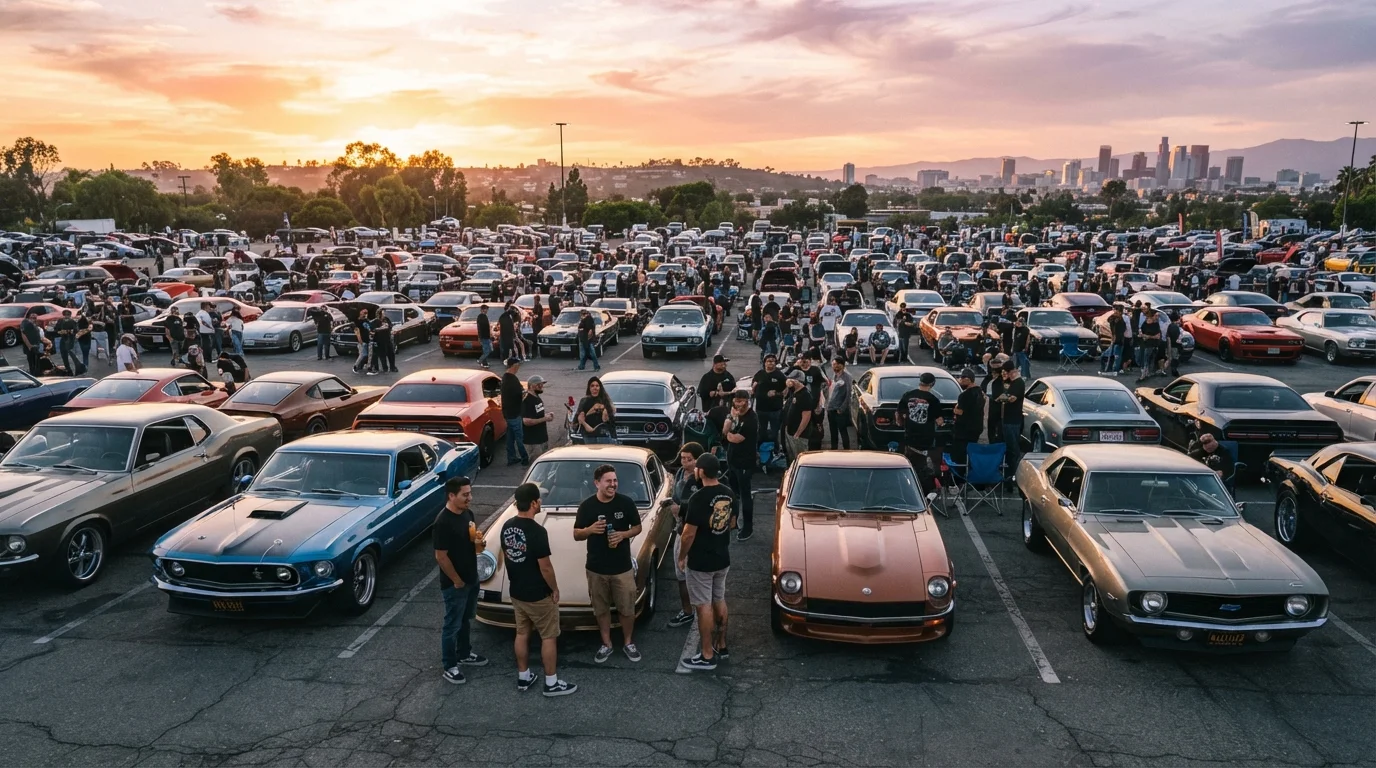
Photo credit: ResultsPivot.com | Discover Insightful Content!
In this article
First time at a car meet? These are the etiquette norms, courtesies, and community expectations every enthusiast should know.
Key Takeaways
- Arrive and park respectfully — aggressive driving into the venue ruins the vibe for everyone.
- Never touch another person's car without explicit permission from the owner.
- Keep noise and revving in check; meets that attract complaints lose their venues.
- Engage genuinely — car meets are social events built on conversation and shared interest.
- Leave the space cleaner than you found it to protect future access for the community.
Why Unwritten Rules Matter at Car Meets
Car meets don't usually come with a rulebook. Unlike a sanctioned car show, there's no emcee explaining the dos and don'ts. That's part of the appeal — these are organic gatherings driven by shared enthusiasm rather than bureaucratic structure. But that informality cuts both ways.
The community norms that govern car meets exist because they've been earned through experience. Venues get pulled when meets go sideways. Reputations get made and broken in a single evening. If you're heading to your first meet — or you've been going for years without thinking much about it — these are the expectations worth understanding. For a broader look at what drives this culture, see what car culture is really about.
“The car is the star, but the people are the reason you keep coming back. Meets live or die on the culture the regulars set.”
— Community Organizer, Pacific Northwest Car Scene, Long-running car meet organizer and automotive community advocate
Before You Even Park
How you arrive matters. Pulling into a meet with hard acceleration, tire chirps, or an aggressive rev at the entrance immediately signals disrespect — to other attendees, to nearby residents, and to whoever organized the event.
Drive in calmly, find a spot without blocking others, and don't park in a way that forces people to squeeze around you. If there's an informal grid or row system forming, go with it. If organizers or regulars are directing traffic, follow their lead without argument.
Arriving Early Has Real Benefits
Getting to a meet early means better parking spots, more time to talk with organizers and regulars, and a calmer environment before the crowd builds. It also signals to the host community that you're genuinely engaged — not just there to make an entrance.
The Core Practices Every Attendee Should Follow
These aren't suggestions — they're the standards that keep meets running and communities intact.
Never touch another person's car without explicit permission.
A car at a meet often represents years of work and significant personal investment. Touching the paint, opening doors, or leaning on a vehicle without asking is one of the fastest ways to create genuine conflict at a meet.
Keep revving and noise to a minimum unless the setting clearly invites it.
Excessive noise is the number one complaint that causes venues to ban car meets. What feels like a fun rev to you is a disturbance to surrounding neighborhoods and businesses.
Photograph respectfully — always ask before shooting someone's car up close.
Most owners are happy to have their builds photographed, but assuming consent isn't respectful. A quick ask also opens a natural conversation.
Pack out what you pack in and then some.
Leaving trash behind signals disrespect for the venue and the community that uses it. Organizers are often responsible for the space and a messy meet jeopardizes future access.
Drive out calmly and sensibly — the exit is not a performance stage.
Aggressive departures are where meets most often attract negative attention from law enforcement or residents. The event isn't over until you're well away from the venue.
How to Actually Connect at a Meet
Car meets are fundamentally social. Showing up, standing next to your car with your arms crossed, and leaving without a word misses the entire point. Approach cars you genuinely admire, ask the owner a real question, and listen to the answer.
Owners have usually heard the same surface-level comments a hundred times. Specific observations — noticing a detail in the build, asking about a modification decision, or just expressing honest curiosity — will get a much warmer response than generic flattery.
Different scenes within car culture have their own personalities. JDM crowds, muscle car guys, Euro enthusiasts, and lowrider communities all have their own vocabulary and inside references. If you're new to a particular scene, arrive curious rather than opinionated.
Protecting the Venue — and the Culture's Reputation
Every meet that ends badly makes the next one harder to hold. Noise complaints, burnout marks, trash left behind, or altercations with non-attendees are the things that get parking lots closed off permanently.
The most respected regulars at any meet are the ones who quietly enforce standards — not by getting in people's faces, but by modeling the right behavior and nudging newcomers when something's heading sideways.
78%
Of meet organizers cite noise complaints as top venue risk
Informal surveys within car meet organizing communities consistently rank noise and burnouts as the leading causes of venue access being revoked.
3x
More likely to return if you made a genuine connection
Automotive lifestyle researchers note that social connection — not just car appreciation — is a primary driver of repeat attendance at community gatherings.
If you see someone about to do something stupid — a burnout at the exit, an aggressive rev battle on a residential street — you don't have to confront them, but you also don't have to cheer. Car culture gets enough unfair criticism already. The stereotypes about car enthusiasts are persistent enough without giving them ammunition.
Meets Vary Widely in Culture and Format
A weekly Tuesday night cruise night runs very differently from a curated invitation-only gathering or a charity show. Pay attention to the specific community you're entering. If you're newer to the scene, reading the room before assuming norms carry over from meet to meet is a habit worth building early.

Author
Automotive Editorial Team
Automotive Editorial Team is the collective byline for our editorial team and contributor network. Articles published under this byline or an editorial pen name are researched, written, and reviewed according to our editorial standards for clarity, consistency, and independence before publication.
View all articles →