
Understanding Your Car's Fluid Checks: A First-Timer's Walkthrough
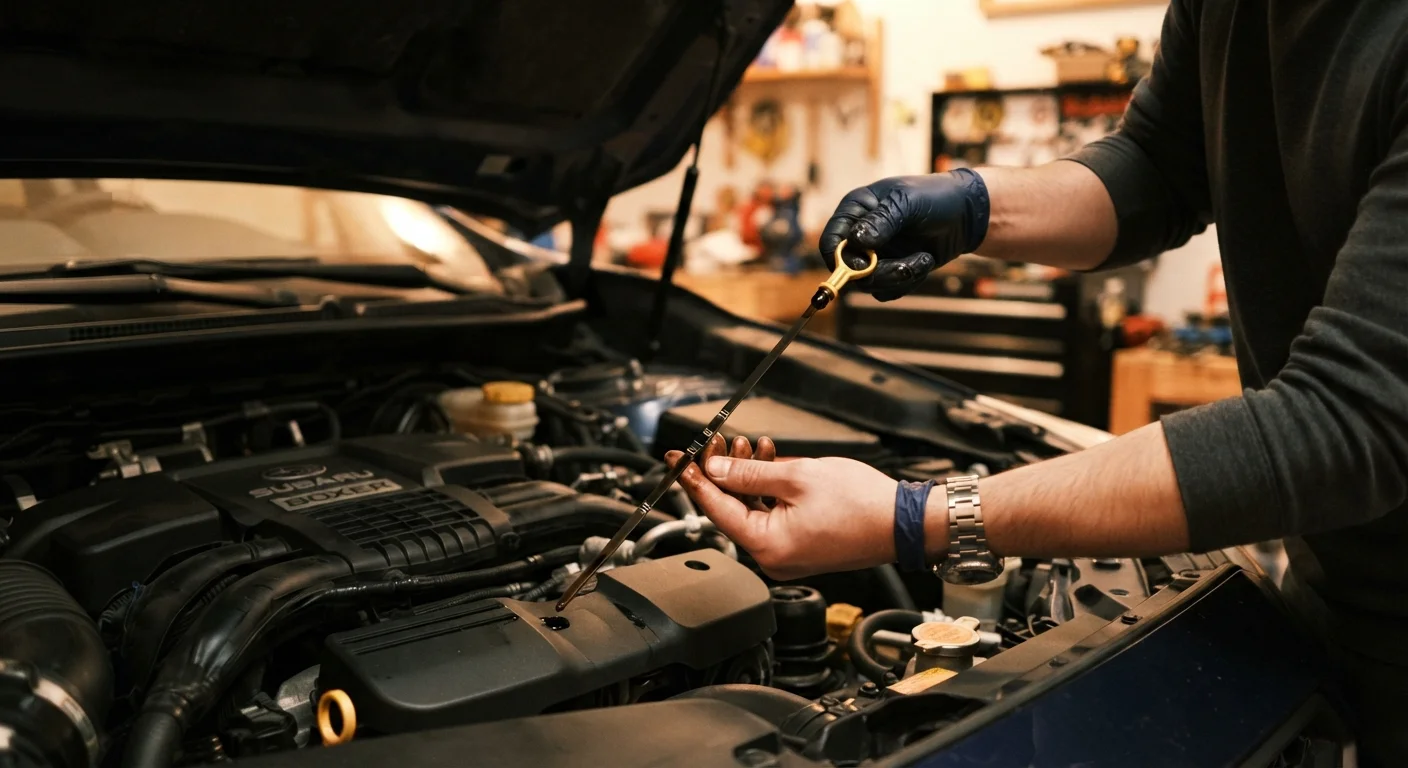
Photo credit: ResultsPivot.com | Discover Insightful Content!
In this article
Engine oil, coolant, brake fluid, and more — a clear introduction to the essential fluids every car owner should know how to check safely.
Key Takeaways
- Most fluid checks take under five minutes and require no special tools.
- Engine oil, coolant, brake fluid, and power steering fluid are the four checks every owner should do regularly.
- Always check fluids on a level surface with the engine cool to get accurate readings.
- Low or discolored fluid is often an early warning sign of a larger mechanical issue.
- When in doubt about a fluid problem, consult a qualified mechanic rather than guessing.
Why Fluid Checks Matter
Your car relies on a handful of fluids to keep its moving parts lubricated, cooled, and responsive. When any one of them runs low or degrades, the effects can ripple quickly — from reduced braking performance to engine overheating. The good news: catching problems early is almost always cheaper and easier than dealing with the fallout.
Fluid checks are one of the most accessible forms of car maintenance. You don't need a lift, a toolkit, or mechanical experience. You just need to know what you're looking at. If you've ever wondered what those dashboard warning lights are reacting to, there's a good chance a fluid issue is part of the answer.
Make It a Monthly Habit
Setting a recurring calendar reminder — say, the first Sunday of each month — makes fluid checks easy to stick to. It takes about five minutes and pairs well with a quick look at tyre pressure. Consistent checks also help you notice trends, like a fluid that keeps running slightly low.
The Fluids You Should Know
Every car has several fluid systems, but these four are the ones every owner should be able to locate and read:
Dipstick
A long metal rod used to measure the level and condition of engine oil. You pull it out, wipe it, and reinsert to get a clean reading.
Coolant (Antifreeze)
A liquid mixture circulated through the engine to regulate temperature. It prevents overheating in summer and freezing in winter.
Brake fluid
A hydraulic fluid that transfers pressure from your brake pedal to the brakes at each wheel. It must stay clean and at the correct level to work properly.
Master cylinder
The component that converts the force of pressing your brake pedal into hydraulic pressure. The brake fluid reservoir sits on top of it.
Reservoir
A small container in the engine bay that holds a specific fluid — like coolant, brake fluid, or power steering fluid — at the right level for the system to function.
- Engine oil — lubricates the engine's internal components and reduces heat from friction.
- Coolant (antifreeze) — regulates engine temperature and prevents freezing in cold weather.
- Brake fluid — transfers the force of your pedal press to the brakes at each wheel.
- Power steering fluid — makes turning the wheel easier (on vehicles without electric power steering).
Many vehicles also have automatic transmission fluid and windshield washer fluid, both worth a periodic look. Your owner's manual is the definitive guide to what your specific vehicle uses and at what intervals.
How to Check Each Fluid Safely
Before you open the hood, park on a flat surface and let the engine cool for at least 15–20 minutes. Checking fluids on a hot engine — especially coolant — can be dangerous.
Never Open a Hot Coolant Cap
The cooling system operates under pressure. Opening the radiator cap or coolant reservoir cap on a hot engine can release scalding steam and fluid, causing serious burns. Always wait until the engine has fully cooled — typically 15 to 20 minutes after switching off — before inspecting or adding coolant.
Engine Oil
Pull out the dipstick (usually marked with a yellow or orange handle), wipe it clean, reinsert it fully, then pull it out again. The oil level should fall between the two marks at the bottom. Also note the color: healthy oil ranges from amber to dark brown. If it looks black and gritty, it's overdue for a change.
Coolant
The coolant reservoir is a translucent plastic tank, typically near the radiator. You can read the level through the side without opening it — look for the MIN and MAX lines. Never open the radiator cap on a hot engine, as pressurized coolant can cause serious burns.
Brake Fluid
The brake fluid reservoir sits on top of the master cylinder, usually near the firewall on the driver's side. It's also translucent. The level should sit between the MIN and MAX markers. If it's consistently low, have a mechanic check for leaks — don't just keep topping it up.
Power Steering Fluid
This reservoir (if your car has one) typically has a dipstick built into the cap. Check the level with the engine warmed up for an accurate reading. Refer to your owner's manual for the correct fluid type.
When to Call a Mechanic
Checking fluids yourself is valuable — but knowing your limits is equally important. If you notice any of the following, take your car to a qualified mechanic rather than trying to diagnose it yourself:
- A fluid that keeps running low despite being topped up (suggests a leak)
- Oil that looks milky or foamy (can indicate a coolant-oil contamination issue)
- Brake fluid that's significantly low or visibly dirty
- Coolant that's rusty or has visible debris in it
Fluid checks slot naturally into a broader maintenance routine. Pairing them with a pre-trip vehicle walkthrough before a long journey is a smart habit. And if you want to separate fact from fiction on car care, our piece on car maintenance myths is worth a read.
Your Owner's Manual Is the Final Word
Fluid specifications vary by vehicle — the right oil viscosity, coolant type, or brake fluid grade for one car may not be correct for another. Your owner's manual lists exactly what each system requires. Using the wrong fluid can cause damage, so when in doubt, check the manual or ask a mechanic before topping up.
This article is for general informational purposes only. Always follow the guidance in your vehicle's owner's manual and consult a qualified mechanic for any maintenance concerns specific to your car.
Frequently Asked Questions

Author
Automotive Editorial Team
Automotive Editorial Team is the collective byline for our editorial team and contributor network. Articles published under this byline or an editorial pen name are researched, written, and reviewed according to our editorial standards for clarity, consistency, and independence before publication.
View all articles →