
Before You Pull Out of the Driveway: A Pre-Trip Vehicle Check
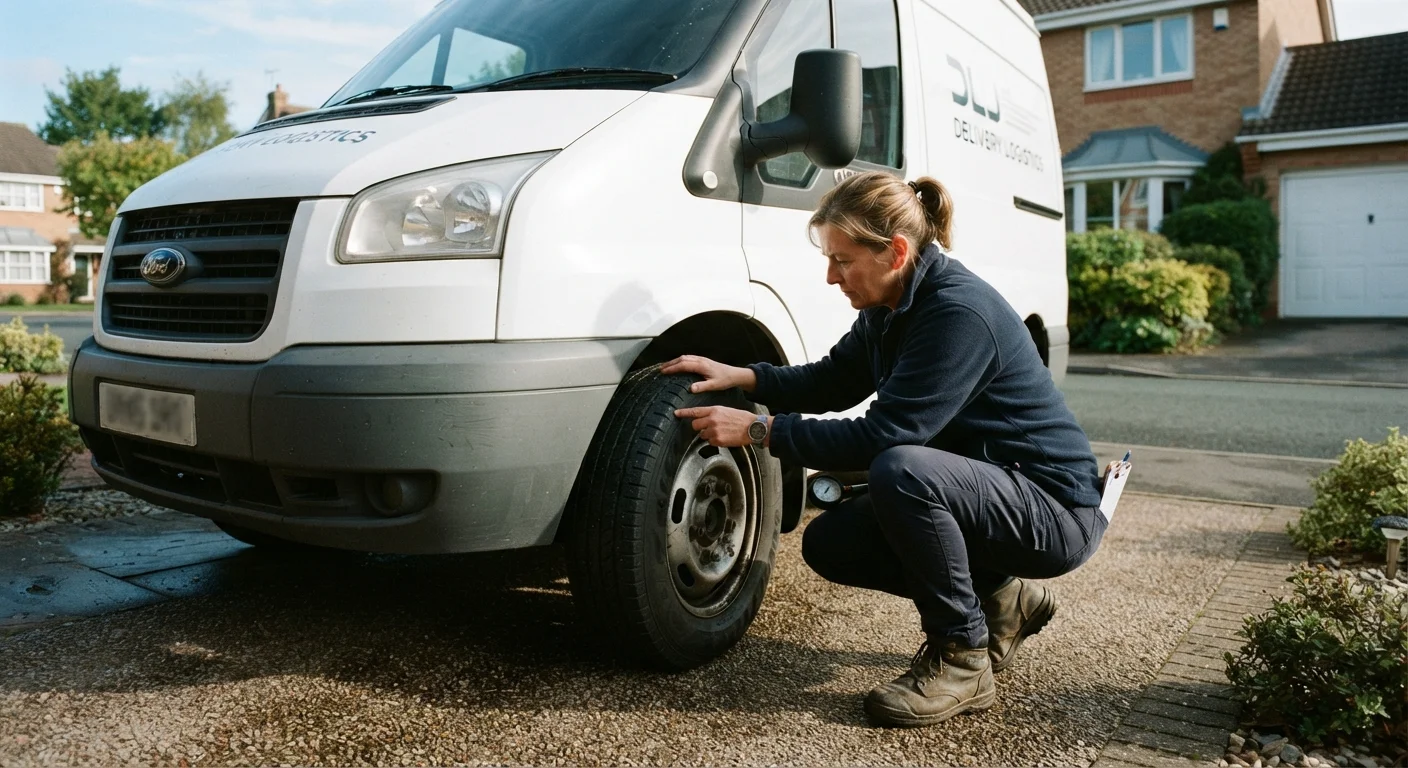
Photo credit: ResultsPivot.com | Discover Insightful Content!
A quick walkround check before any journey can catch tyre pressure issues, low fluids, and visibility problems before they become roadside problems.
Key Takeaways
- A pre-trip check takes under 15 minutes and can prevent costly, dangerous roadside breakdowns.
- Tyre pressure and tread condition are the two most commonly overlooked safety factors before a journey.
- Fluid levels, lights, and visibility should be confirmed before every longer trip — not just annually.
- Dashboard warning lights must be investigated before departure, not ignored until the next service.
Why a Walkround Check Is Worth Your Time
Most vehicle problems don't appear without warning — they build gradually and show up at the worst possible moment: a highway merge, a night-time stretch of rural road, or the start of a family road trip. A quick pre-departure inspection interrupts that pattern.
This isn't about diagnosing complex mechanical issues yourself. It's about catching the obvious things — a soft tyre, a cracked wiper blade, a low washer fluid bottle — before they escalate. Five to fifteen minutes in the driveway is almost always faster than waiting for roadside assistance.
For routine car maintenance guidance that goes deeper than a pre-trip scan, it's worth building a regular inspection habit across the year. And if you're heading into changing weather, the seasonal vehicle check is a natural companion to this walkround.
Tyres
Fluids
Lights and Visibility
Interior and Dashboard
What You'll Need
You don't need a full toolkit for a pre-trip check. A few basic items make the process faster and more reliable.
Tyre pressure gauge
Accurately measures tyre inflation so you can compare against your vehicle's recommended PSI.
Flashlight or phone torch
Helps inspect tyres, fluid levels, and undercarriage in low-light or shaded conditions.
Engine oil (correct grade for your vehicle)
Allows you to top up on the spot if the oil level is low before departure.
Windshield washer fluid
Keeps the reservoir topped up, particularly important before long highway or wet-weather driving.
Microfibre cloth or window scraper
Clears moisture, condensation, or frost from windows and mirrors quickly before departure.
Key Risks to Keep in Mind
A pre-trip check is designed to catch surface-level issues, not replace professional mechanical inspection. There are a few situations where extra caution applies.
Brake Fluid Drop Is a Warning Sign
A noticeably low brake fluid level is not always a routine maintenance issue — it can indicate a leak in the braking system. If the reservoir is significantly below the minimum line and you haven't recently had brake work done, do not assume a top-up is sufficient. Have the system inspected by a qualified mechanic before driving, especially for any extended journey.
Never Check Coolant on a Hot Engine
Opening the coolant reservoir or radiator cap on a hot engine can cause pressurised fluid to spray and cause burns. Always let the engine cool completely — at least 30 minutes after use — before inspecting or topping up coolant. If your temperature gauge is in the red, pull over safely and allow the engine to cool before taking any action.
Soft Tyres Are Harder to Spot Than You Think
A tyre can be 10–15 PSI underinflated and still look normal to the naked eye. Relying on visual inspection alone isn't reliable — use a gauge every time. Underinflated tyres reduce handling responsiveness, increase stopping distances, and are more susceptible to blowouts at highway speed. If you're heading into adverse conditions, check out driving in rain, fog, and snow for additional preparation guidance.
If your vehicle has active dashboard warning lights before you leave, consult our guide on what dashboard warning lights mean to determine whether it's safe to drive at all.
For longer road trips, your tyre condition deserves special attention. The tyre pressure, tread, and rotation guide covers the full picture beyond what a quick check can assess. And once you're on the road, fuel-efficient driving habits can help extend your range without adding time to your journey.

Author
Automotive Editorial Team
Automotive Editorial Team is the collective byline for our editorial team and contributor network. Articles published under this byline or an editorial pen name are researched, written, and reviewed according to our editorial standards for clarity, consistency, and independence before publication.
View all articles →