
What Your Dashboard Warning Lights Are Actually Telling You
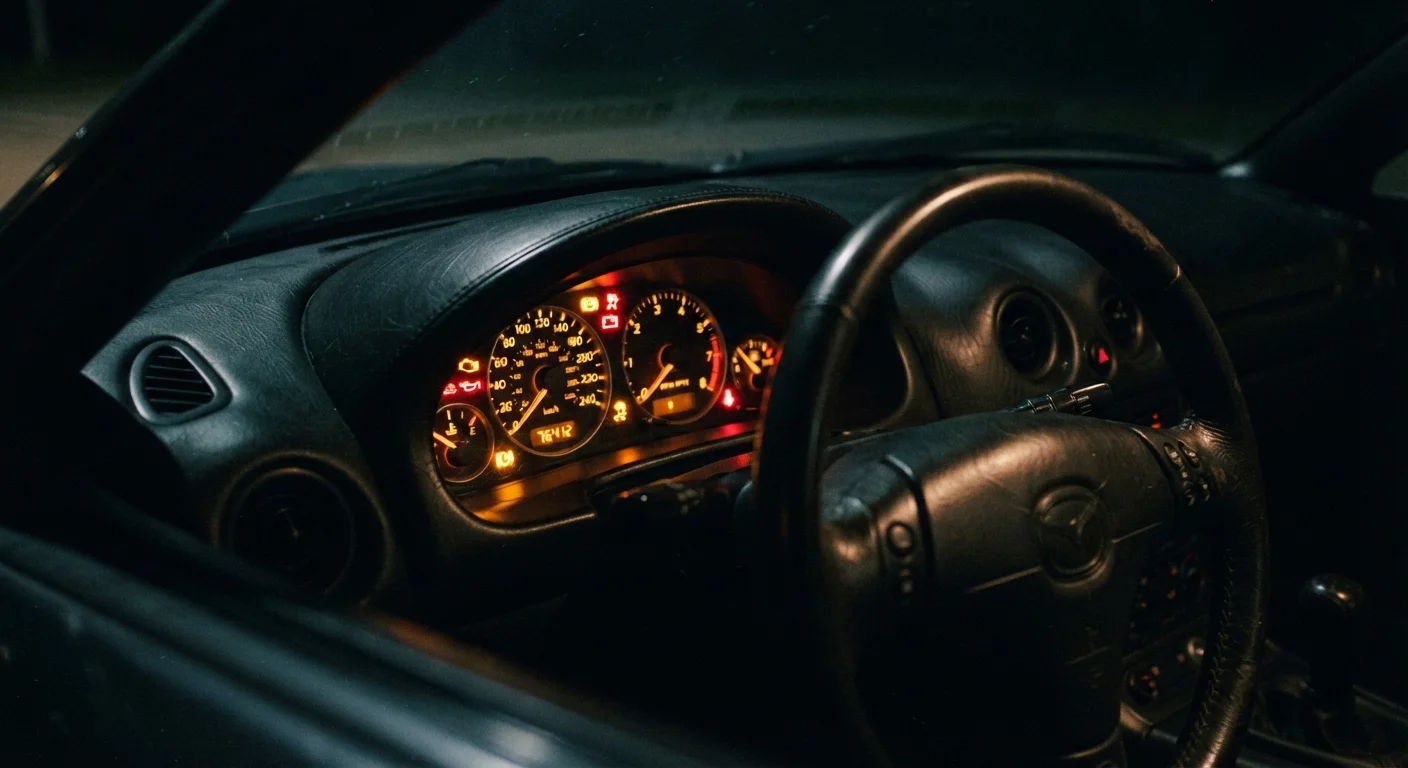
Photo credit: ResultsPivot.com | Discover Insightful Content!
In this article
From the oil pressure symbol to the traction control light, learn what each dashboard warning means and when to act.
Not All Warning Lights Are Created Equal
That little glow on your dashboard isn't just decoration — it's your car's built-in communication system. But not every light demands that you pull over immediately. Understanding the color-coded priority system is the first step to staying calm and making smart decisions.
Red lights signal serious, often immediate issues — stop driving as soon as it's safe. Amber or yellow lights mean something needs attention soon but isn't necessarily a crisis. Green or blue lights simply confirm that a system (like your high beams or turn signal) is active.
Keeping this hierarchy in mind helps you avoid two common mistakes: panicking over a minor advisory, or ignoring a warning that could lead to real damage. For a broader look at staying ahead of vehicle issues, the Car Maintenance hub is a solid starting point.
| Red warning lights | Stop driving as soon as safely possible |
| Amber/yellow warning lights | Schedule service soon; not usually an immediate stop |
| Flashing vs. steady light | Flashing always indicates a more urgent issue |
| Fault code reader | Required to decode Check Engine light causes |
| Owner's manual | Contains a complete warning light guide for your specific vehicle |
The Warning Lights You're Most Likely to See
Here's a plain-English breakdown of the dashboard lights that show up most often — and what they're actually telling you.
Check Engine Light (CEL)
An amber indicator triggered by the onboard diagnostics system (OBD-II) when it detects a fault in the engine, emissions, or related systems. A diagnostic scanner is needed to identify the specific fault code.
TPMS
Tire Pressure Monitoring System — a sensor-based system that alerts the driver when one or more tires fall significantly below the recommended inflation pressure.
OBD-II
On-Board Diagnostics, second generation — a standardized vehicle diagnostic system used in most cars sold in the US since 1996 that stores fault codes readable by scan tools.
Alternator
A generator driven by the engine that recharges the battery and powers the vehicle's electrical systems while the engine is running. A failing alternator will trigger the battery warning light.
Traction Control System (TCS)
An active safety feature that detects wheel slip during acceleration and automatically reduces engine power or applies braking to individual wheels to maintain grip.
Oil Pressure
The force at which engine oil is circulated through the engine. Insufficient pressure starves engine components of lubrication, which can cause rapid and severe mechanical damage.
Check Engine Light
This amber light can mean anything from a loose gas cap to a misfiring cylinder. It won't tell you which one on its own. If it's steady, you can drive to a shop for a diagnostic scan. If it's flashing, that indicates a more serious issue — reduce speed and have it checked promptly. A scan tool (available at most auto parts retailers for free use) reads the stored fault codes so a mechanic can pinpoint the cause.
Oil Pressure Warning
This red light — often shaped like an oil can — means your engine isn't getting adequate oil pressure. This is a stop-the-car situation. Driving with low oil pressure can cause severe engine damage within minutes. Pull over safely, turn off the engine, and check your oil level. If oil is present and the light stays on after a restart, call for assistance. Learn more about monitoring your fluids in our fluid checks walkthrough.
Temperature Warning
A red thermometer symbol means your engine is overheating. Turn off the AC, pull over safely, and let the engine cool — never open the radiator cap on a hot engine. If coolant level is low after cooling, topping it off may help, but recurring overheating needs professional diagnosis.
Battery / Charging Warning
This amber or red light (usually a battery icon) means the electrical charging system isn't working properly — often a failing alternator or loose connection. Your car may run for a short time on battery reserve, but don't push it. Head to a shop soon.
Traction Control / Stability Control
A flashing traction control light during slippery conditions is normal — it means the system is actively working. If it stays on solid, the system may be disabled or experiencing a fault worth investigating.
Tire Pressure (TPMS)
An amber horseshoe-shaped symbol indicates one or more tires is significantly under- or over-inflated. Check pressures when tires are cold and inflate to the spec listed inside your driver's door jamb — not the number on the tire sidewall.
~80%
Drivers who admit ignoring a warning light
Consumer surveys conducted by automotive safety organizations consistently find a large majority of drivers have driven with an active warning light without acting on it.
Seconds to minutes
Time before engine damage from low oil pressure
Automotive engineers note that running an engine with critically low oil pressure can cause irreversible bearing damage in a very short period.
Before any long drive, running a quick visual check of your lights, tires, and fluid levels goes a long way. Our pre-trip vehicle check guide walks you through exactly what to look for.
When to Act Right Away vs. When to Schedule a Visit
Use this simple rule of thumb: red = stop now, amber = schedule soon, flashing = act sooner than steady. If you're ever unsure, consult your owner's manual — every vehicle's manual includes a dedicated warning light section specific to that make and model. Digital versions are often available through the manufacturer's website if you don't have a physical copy.
Your Owner's Manual Is the Final Word
Warning light icons and their meanings can vary slightly between manufacturers and model years. While this guide covers the most common symbols, your vehicle's owner's manual contains the definitive reference for every light specific to your car. If you don't have a physical copy, many automakers offer free digital versions through their official websites.
The bottom line: dashboard lights exist to help you, not stress you out. Knowing what each one means puts you in control of the situation rather than guessing at it.

Author
Automotive Editorial Team
Automotive Editorial Team is the collective byline for our editorial team and contributor network. Articles published under this byline or an editorial pen name are researched, written, and reviewed according to our editorial standards for clarity, consistency, and independence before publication.
View all articles →