
What Your Dashboard Warning Lights Are Actually Telling You
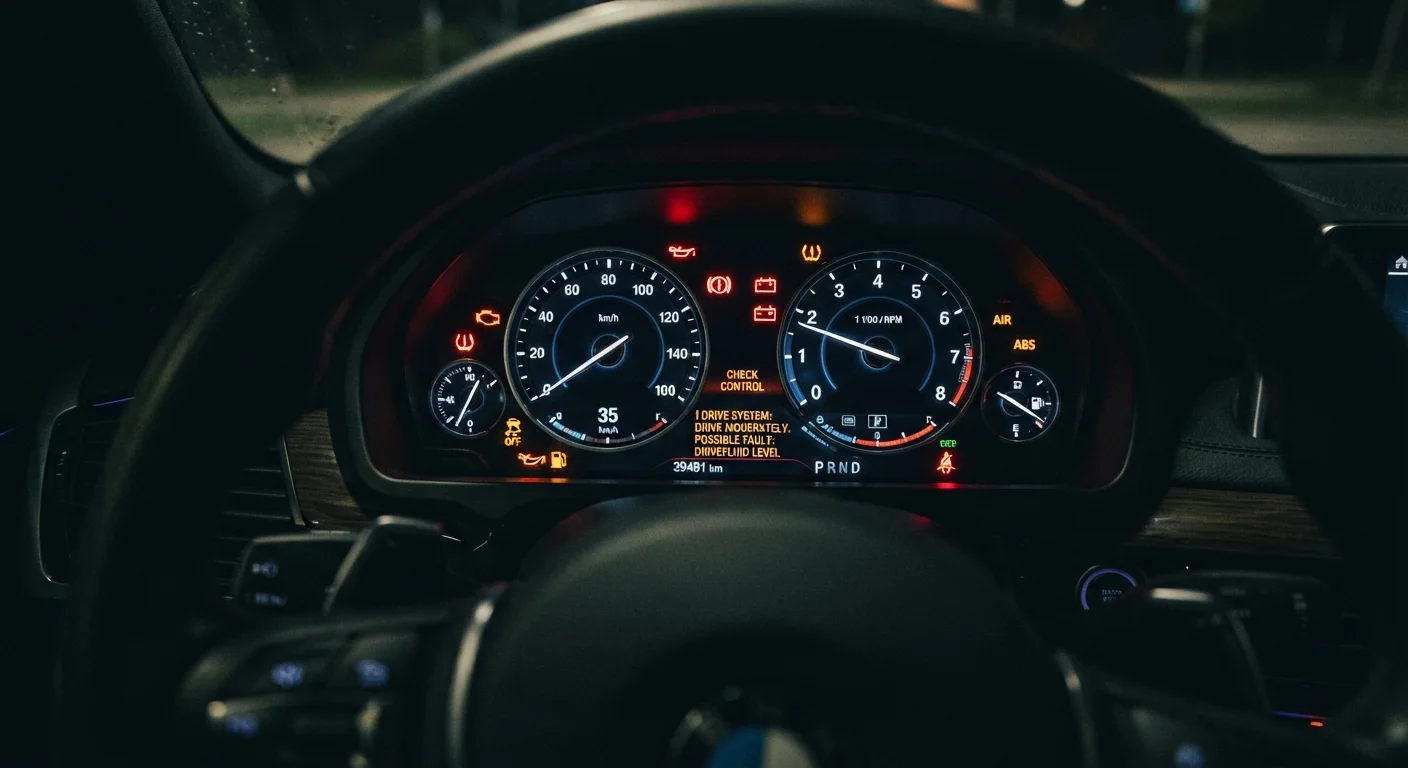
Photo credit: ResultsPivot.com | Discover Insightful Content!
In this article
Decode the symbols on your dashboard before they become costly problems. A plain-language guide to what each warning light means.
Why Warning Lights Exist — and Why You Shouldn't Ignore Them
Your car's dashboard warning lights are part of an onboard diagnostics system designed to flag problems before they escalate. Think of them as your vehicle's version of a check-in — some require immediate action, others are gentle reminders. The trouble is, most drivers don't know which is which.
Ignoring the wrong light can turn a minor fix into a major repair bill. Understanding what each symbol means gives you the context to respond appropriately — whether that's pulling over right now, scheduling a service appointment, or simply checking a fluid level at home.
For a broader reference on what each individual symbol means and when to act, see our full dashboard warning light guide.
| Number of warning lights on a modern vehicle | Up to 200+ (Varies by make, model, and trim level) |
| Color that signals immediate danger | Red (Standard across most vehicle manufacturers) |
| Most commonly illuminated warning light | Check Engine (MIL) (Malfunction Indicator Lamp, per OBD-II diagnostics) |
| System that stores fault codes | OBD-II (On-Board Diagnostics) (Standardized in US vehicles since 1996) |
| When TPMS became federally required in the US | 2008 (TREAD Act mandate, NHTSA) |
Red, Amber, or Green: The Color System That Tells You How Urgent It Is
Most modern vehicles use a traffic-light color system to communicate urgency at a glance.
- Red lights signal serious, often safety-critical issues. Stop driving as soon as it is safe to do so and investigate immediately. Examples include low oil pressure, engine overheating, and brake system warnings.
- Amber or yellow lights indicate something needs attention soon but isn't necessarily an emergency. These include the check engine light, traction control, and tire pressure warnings.
- Green or blue lights are informational — they confirm that a system is active, such as high beams or cruise control. No action required.
A few key lights don't follow this pattern across all makes and models, so always cross-reference with your owner's manual if you're unsure.
Check Engine Light (MIL)
The Malfunction Indicator Lamp signals that the engine management system has detected a fault. It covers a broad range of potential issues and stores a specific fault code readable by a diagnostic scanner.
OBD-II
On-Board Diagnostics II is the standardized system used in US vehicles since 1996 to monitor engine and emissions performance. It stores diagnostic fault codes that mechanics retrieve with a scan tool.
TPMS
Tire Pressure Monitoring System uses sensors in each wheel to alert the driver when tire pressure drops significantly below the recommended level.
Oil Pressure Warning
A red dashboard light indicating that engine oil is not circulating at sufficient pressure. This is distinct from an oil level warning and requires the engine to be shut off immediately to prevent damage.
Catalytic Converter
An emissions control device in the exhaust system that converts harmful gases into less harmful substances. Engine misfires can overheat and damage it if not addressed quickly.
The Lights Drivers Misread Most Often
Some warning lights are frequently misunderstood, which leads drivers to either panic unnecessarily or ignore something they really shouldn't.
Check Engine Light
This amber light covers a wide range of issues — from a loose gas cap to misfiring cylinders. If it's steady, the situation is generally non-emergency; if it's flashing, that typically indicates an active misfire that can damage your catalytic converter. A flashing check engine light warrants prompt attention from a qualified mechanic.
Oil Pressure Warning
This is one of the most serious red lights. It does not mean you're low on oil — it means oil isn't circulating at the right pressure. Continuing to drive can cause severe engine damage within minutes. Pull over safely and turn the engine off.
Battery Warning
This light usually means the charging system — not necessarily the battery itself — isn't working correctly. It could be the alternator, a loose belt, or a faulty connection. Your car may only have minutes of driving time left before it stalls.
Tire Pressure (TPMS)
The tire pressure monitoring system (TPMS) light tells you one or more tires are significantly under- or over-inflated. Driving on underinflated tires affects handling, fuel economy, and tire longevity. Check all four tires as soon as you can.
Always Keep Your Owner's Manual Accessible
No two vehicles are identical — warning light symbols and their meanings can differ between manufacturers and model years. Your owner's manual is the authoritative reference for your specific car. A digital version is often available through the manufacturer's website or app if you don't have the physical copy.
If warning lights appear alongside unusual smells from your vehicle, those odors often point to the same underlying problem. Our guide to strange car smells explains what each scent could indicate.
What to Do When a Light Comes On
First, stay calm. Note whether the light is red or amber, and whether it's steady or flashing. Check your owner's manual — it should have a dedicated section covering every symbol for your specific vehicle.
If a red warning light illuminates while driving, reduce speed, find a safe place to stop, and assess the situation before continuing. For amber lights, it's generally safe to complete your journey but schedule a professional inspection promptly.
Many issues flagged by warning lights — like low fluid levels — are straightforward to verify yourself. Our fluid check walkthrough is a good starting point for first-timers who want to understand what's under the hood without overstepping their comfort level.
When in doubt, have a licensed mechanic run a diagnostic scan. Most shops can read fault codes quickly and tell you exactly which system triggered the light.
1 in 3
US drivers ignore warning lights
Surveys by automotive organizations suggest a significant proportion of drivers delay addressing illuminated warning lights.
$400+
Average check engine repair cost
Repair costs vary widely; early diagnosis consistently reduces the likelihood of more expensive secondary damage.

Author
Automotive Editorial Team
Automotive Editorial Team is the collective byline for our editorial team and contributor network. Articles published under this byline or an editorial pen name are researched, written, and reviewed according to our editorial standards for clarity, consistency, and independence before publication.
View all articles →