
Reading a Cocktail Menu Without Feeling Lost
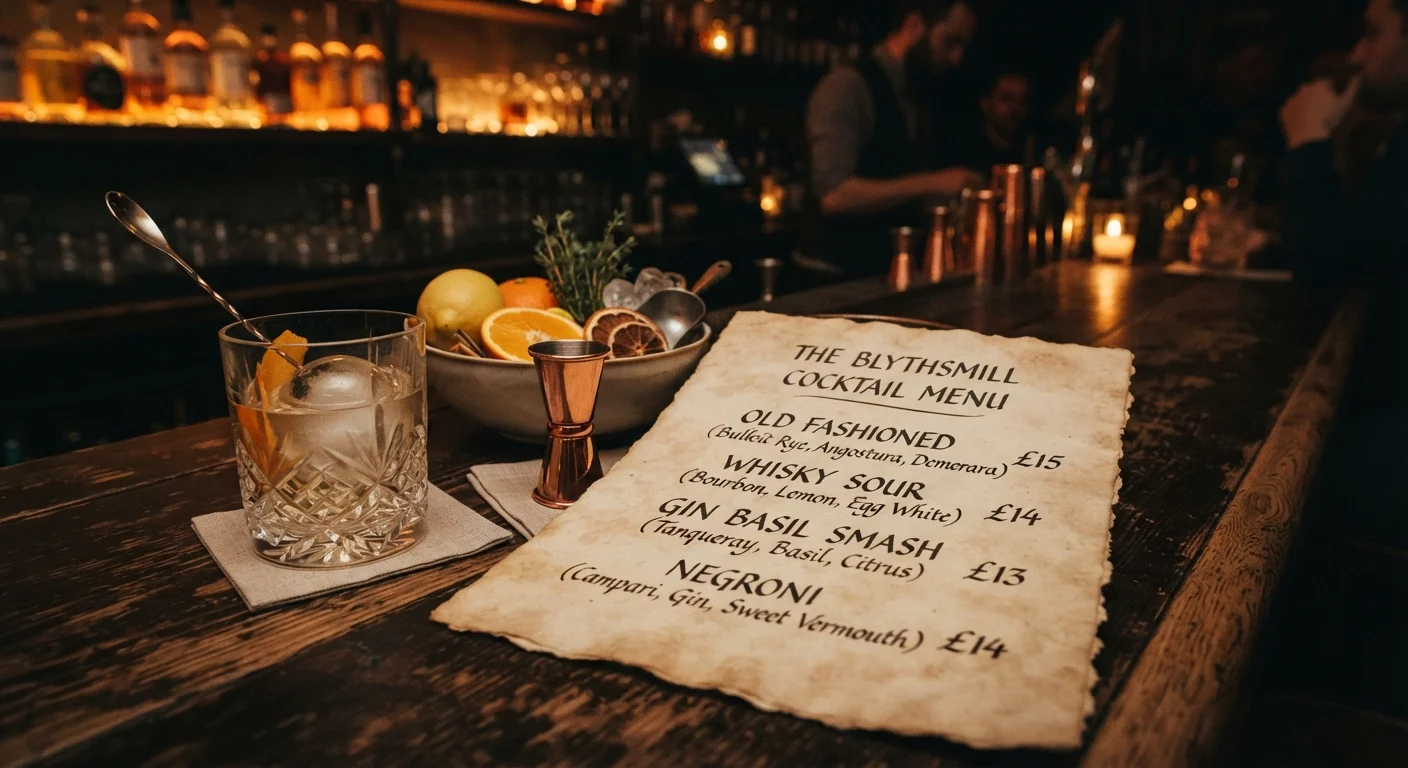
Photo credit: ResultsPivot.com | Discover Insightful Content!
In this article
Amaro, dry shake, orgeat — cocktail menus are full of unfamiliar terms. This guide demystifies the language behind modern bar culture.
Why Cocktail Menus Feel Like a Different Language
You sit down at a buzzy bar, open the menu, and immediately encounter words like "falernum," "clarified milk punch," and "expressed citrus peel." It's enough to make anyone default to ordering whatever sounds familiar. But here's the thing: cocktail culture in America has genuinely leveled up, and the menus have followed. Understanding even a handful of core terms completely changes the experience — and helps you order something you'll actually love.
Whether you're curious about the espresso martini craze or just want to stop nodding blankly at your server, this guide breaks it all down.
| Most common cocktail menu format | Organized by base spirit or flavor profile |
| Key flavor categories | Citrus-forward, spirit-forward, bitter, sweet, herbal |
| "Low ABV" typically means | Under 15% alcohol by volume |
| Common allergen to watch for | Egg white (used for foam in many sours) |
| Most misunderstood garnish term | "Expressed peel" — citrus skin pressed over a drink to release aromatic oils |
The Terms You'll See Most Often
Modern cocktail menus borrow vocabulary from culinary arts, classic bartending traditions, and regional spirits culture. Here's what's worth knowing before you even glance at the drink list.
Amaro
An Italian-style bitter herbal liqueur, often consumed as a digestif. It ranges from mildly bitter and sweet to intensely medicinal, and appears frequently in modern cocktails as a modifier.
Orgeat
A sweet syrup made from almonds, sugar, and a touch of orange-flower water. It's a cornerstone ingredient in tiki cocktails and adds a rich, nutty sweetness.
Dry shake
A bartending technique where ingredients — typically including egg white or aquafaba — are shaken without ice first to build foam and emulsify the liquid, then shaken again with ice.
Highball
A simple, tall drink format built from a base spirit and a larger proportion of a non-alcoholic mixer like soda water or ginger beer, served over ice.
Falernum
A Caribbean-origin syrup or liqueur flavored with lime zest, cloves, almond, and ginger. It's a key ingredient in tiki and tropical cocktails.
Build vs. Shake vs. Stir
These describe how a drink is assembled. "Built" drinks go straight into the glass; "shaken" drinks are combined with ice in a cocktail shaker for aeration and chill; "stirred" drinks are gently mixed to maintain clarity and silkiness without introducing air bubbles.
Shrub
A drinking vinegar made by macerating fruit with sugar and vinegar, producing a tangy, concentrated syrup used to add brightness and acidity to cocktails.
Digestif / Apéritif
Apéritifs are lighter, often bittersweet drinks served before a meal to stimulate appetite (think Aperol or dry vermouth). Digestifs are richer or more bitter spirits served after eating to aid digestion.
Beyond individual terms, pay attention to how a menu is structured. Many bars organize drinks by base spirit, by flavor profile (bright and citrusy vs. spirit-forward and stirred), or by occasion. Some use narrative descriptions to guide you toward what you're in the mood for — lean into those cues.
Reading Between the Lines: What Menu Language Signals
Certain phrases telegraph a bar's philosophy. "House-made" syrups and bitters suggest a kitchen-driven approach to the bar program. "Rotating seasonal menu" means the drinks shift with what's fresh. "Low ABV" or "spirit-forward" cues signal the alcohol intensity without you having to ask.
Don't Be Afraid to Ask
Bartenders at craft-focused bars expect and welcome questions about the menu. Asking "what's the most approachable drink you have?" or "I like citrusy and not too sweet — what fits?" is a completely normal and effective way to navigate an unfamiliar list. There are no wrong questions when you're trying something new.
If a menu features an entire zero-proof section, that's a strong signal this bar is taking sober-drinking seriously — a trend that's reshaping American nightlife. The rise of non-alcoholic spirits means these sections are now genuinely exciting, not an afterthought.
42%
Of US adults who tried a low- or no-ABV drink in the past year
According to NielsenIQ data cited in industry trade reporting on the sober-curious movement.
3x
Growth in non-alcoholic spirit SKUs at US retailers
IWSR Drinks Market Analysis tracked significant category expansion between 2019 and 2023.
Still unsure? The simplest move is to ask your bartender what's approachable for a palate like yours. Good bartenders genuinely love that question.

Author
Food & Drink Editorial Team
Food & Drink Editorial Team is the collective byline for our editorial team and contributor network. Articles published under this byline or an editorial pen name are researched, written, and reviewed according to our editorial standards for clarity, consistency, and independence before publication.
View all articles →