
Why Espresso Martinis Took Over America's Bar Scene
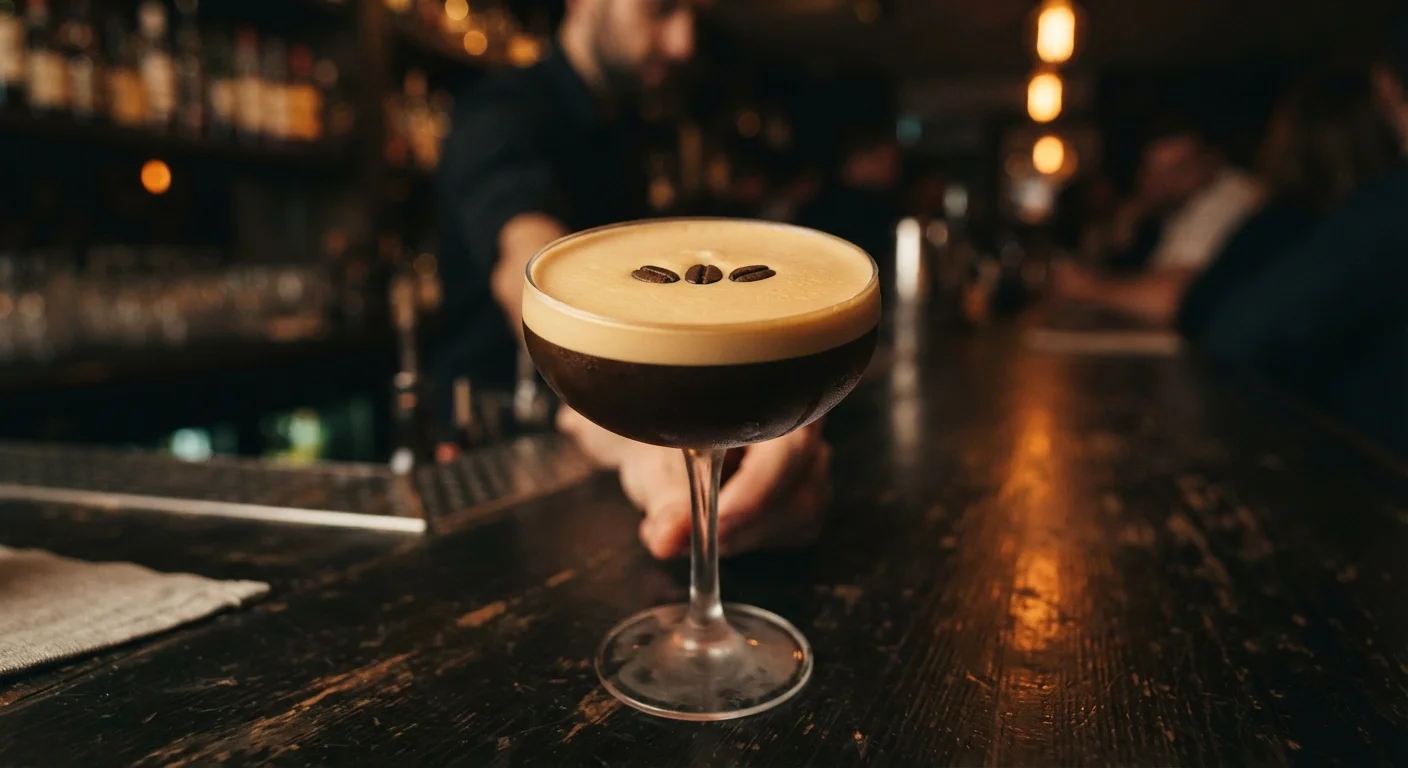
Photo credit: ResultsPivot.com | Discover Insightful Content!
In this article
The espresso martini's revival is one of cocktail culture's most fascinating comebacks. Here's what's driving the craze across US bars.
Key Takeaways
- The espresso martini originated in London in the 1980s before surging in American popularity during the 2020s.
- Social media, especially TikTok, played a major role in reigniting demand for the drink across US bars.
- The cocktail sits at the crossroads of two huge American trends: craft coffee culture and elevated cocktails.
- Its balance of bitter espresso and sweet coffee liqueur gives it broad, crowd-pleasing appeal.
- Bartenders consider fresh espresso — not cold brew or instant — the defining ingredient for quality.
A Cocktail That Died and Came Back Cooler
The espresso martini had a whole first life — and it wasn't especially glamorous. Created in London in the 1980s by bartender Dick Bradsell, the original was reportedly made on the spot for a model who wanted something to "wake me up and mess me up." It became a fixture of 1990s nightlife, then faded into the kitsch category alongside other retro relics.
So what changed? Around 2020 and 2021, something unexpected happened: the espresso martini went viral. TikTok videos of bartenders shaking up the frothy, dark cocktail racked up millions of views. Suddenly every bar from Nashville to Portland had it on the menu — and orders haven't slowed since.
#1
Most ordered cocktail in many US bars
Industry reports from venues across major US cities placed the espresso martini among the top-ordered cocktails in 2022 and 2023.
3x
Growth in coffee cocktail menu appearances
Menu analytics platforms have tracked a significant rise in coffee-based cocktail listings at US restaurants and bars since 2020.
1980s
Year the original recipe was created
Bartender Dick Bradsell is widely credited with inventing the drink at a London bar decades before its American resurgence.
The Coffee Culture Connection
You can't fully understand the espresso martini's comeback without looking at what Americans were already doing with coffee. Specialty coffee — single-origin beans, pour-overs, careful extractions — had spent the previous decade turning everyday caffeine into something people were genuinely passionate about. When that same energy met cocktail culture, the espresso martini was the obvious collision point.
The drink essentially asks bartenders to treat espresso with the same care a barista would. Fresh-pulled shots, properly calibrated ratios, and quality coffee liqueur aren't afterthoughts — they're the whole point. For a generation raised on oat milk lattes and cortados, a cocktail built around great coffee just makes intuitive sense.
“Coffee and cocktails have always had a natural affinity — both reward precision, fresh ingredients, and a real understanding of flavor. The espresso martini just made that relationship impossible to ignore.”
— A Specialty Cocktail Bartender, Bar industry professional, as paraphrased in trade beverage coverage
What Makes It So Broadly Appealing
Part of the espresso martini's genius is how it threads the needle between crowd-pleasing and sophisticated. It's bitter enough to feel grown-up, sweet enough to convert people who don't normally reach for straight spirits. The foam on top gives it a visual drama that photographs beautifully — a real factor in the social media age.
It also works across occasions. Brunch culture has embraced it as a livelier alternative to the mimosa. It's become a post-dinner staple at upscale restaurants. And it lives comfortably on cocktail menus alongside much more complex, spirit-forward drinks — which is to say, if you find cocktail menus intimidating, the espresso martini is a reliable anchor.
Order It When Espresso Is Fresh
If you want the best version of this cocktail at a bar, ask whether the espresso is pulled to order. Bars that maintain an espresso machine and pull shots fresh will produce a markedly superior foam and deeper flavor. A drink made with cold brew concentrate or pre-made espresso won't have the same texture or brightness.
What's Next for the Espresso Martini
Bartenders are already riffing on the format: dirty chai martinis that swap the espresso for spiced tea, matcha versions, and cold brew variations all making appearances on menus across major cities. The template — something bold, caffeinated, and shaken to a froth — turns out to be flexible enough to hold a lot of creativity.
At the same time, the broader drinking landscape is shifting. Non-alcoholic spirits are gaining real ground, and spirit-free espresso martinis are now a legitimate menu category. And while the espresso martini may feel like a uniquely modern moment, it's also part of a long American tradition of taking something from elsewhere, making it bigger, and running with it — much like regional drinks that have always defined local identity across the country.
The Caffeine Factor Is Real
An espresso martini typically contains a single shot of espresso, which carries roughly 60–75mg of caffeine on average. That's a real amount — enough to be noticeable, especially later in the evening. If you're sensitive to caffeine or drinking later at night, it's worth keeping that in mind before ordering a second round.
Frequently Asked Questions

Author
Food & Drink Editorial Team
Food & Drink Editorial Team is the collective byline for our editorial team and contributor network. Articles published under this byline or an editorial pen name are researched, written, and reviewed according to our editorial standards for clarity, consistency, and independence before publication.
View all articles →