
The Quiet Rise of Non-Alcoholic Spirits in American Drinking Culture
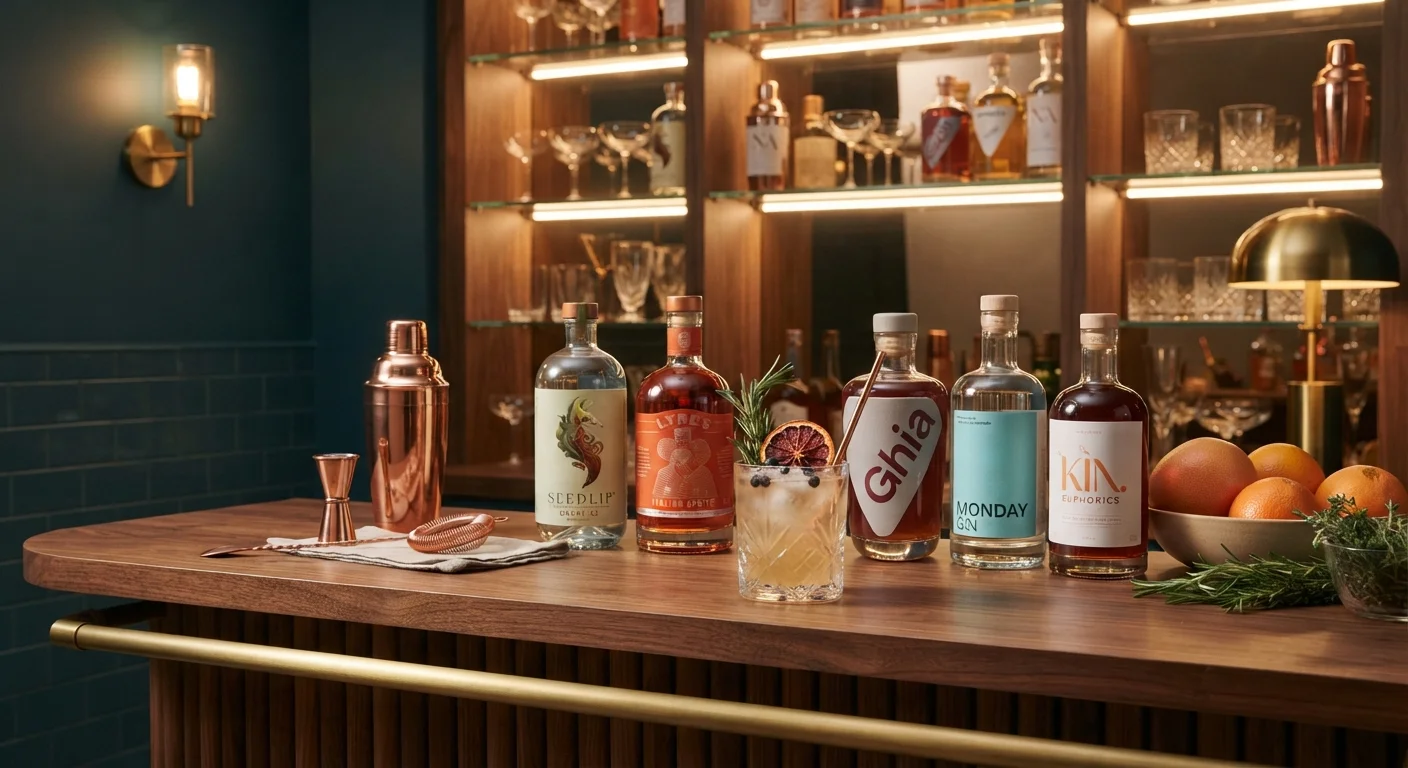
Photo credit: ResultsPivot.com | Discover Insightful Content!
In this article
Sober curiosity is reshaping what Americans pour at parties. Explore how alcohol-free spirits went from niche to mainstream.
Key Takeaways
- Non-alcoholic spirits are designed to replicate the taste and ritual of traditional liquor without the intoxicating effects.
- A cultural shift called 'sober curiosity' is driving mainstream interest in alcohol-free drinking options.
- These products have moved beyond juice bars into high-end cocktail menus and grocery store shelves nationwide.
- Bartenders increasingly treat non-alcoholic spirits as serious craft ingredients, not afterthoughts.
- The category is expanding rapidly, with a growing range of botanical, smoky, and spirit-inspired flavor profiles available.
What Exactly Are Non-Alcoholic Spirits?
Pour one into a glass, add tonic and a sprig of rosemary, and it looks — and often smells — remarkably like a gin and tonic. That's exactly the point. Non-alcoholic spirits are a category of beverages engineered to replicate the sensory complexity of traditional liquors without the alcohol that makes them intoxicating.
Producers achieve this through a range of methods: steam distillation of botanicals, cold-press extraction of herbs and spices, and careful blending of plant compounds that mimic the warmth and bite of ethanol. Some lean into adaptogens — plant-based ingredients like ashwagandha or lion's mane — though the flavor experience, not the functional ingredient, is usually the main draw.
Unlike soda or juice, these spirits are designed to function as a base in a cocktail. They carry enough complexity — bitter, herbal, smoky, or citrus-forward — to anchor a drink the same way a traditional spirit would. If you're curious about the broader language of cocktail culture, this guide to cocktail menus is a great place to get oriented.
35%
US adults who identify as non-drinkers
Gallup polling has consistently found that a significant portion of American adults report not drinking alcohol, a figure that has grown modestly over the past decade.
~$11B
Global no/low-alcohol market value
According to IWSR Drinks Market Analysis, the global no- and low-alcohol beverage category was valued at approximately $11 billion and has been posting consistent growth year over year.
66%
Gen Z adults drinking less than older generations
Research from Berenberg Bank found that members of Gen Z consume roughly 20% less alcohol per capita than millennials did at the same age, pointing to a generational shift in drinking habits.
The Sober Curiosity Movement Fueling the Trend
The rise of non-alcoholic spirits didn't happen in a vacuum. It's closely tied to a broader cultural shift sometimes called sober curiosity — a growing interest among Americans in re-examining their relationship with alcohol, not necessarily from a place of crisis, but from genuine curiosity about what life feels like with less of it.
Millennials and Gen Z are drinking less alcohol than previous generations, according to multiple surveys tracking US drinking habits. The reasons are varied: wellness priorities, mental health awareness, financial choices, and a preference for feeling sharp the next day. But here's the thing — these generations still want to participate in the social ritual of having a drink. That tension is exactly what non-alcoholic spirits are designed to resolve.
“Sober curiosity isn't about being anti-alcohol. It's about being pro-choice — choosing to question the role alcohol plays in your life rather than accepting it as a given.”
— Ruby Warrington, Author of 'Sober Curious' and writer on mindful drinking
The result is a category that's moved fast. What began as a niche offering at specialty wellness shops has expanded into mainstream grocery chains, airport lounges, and cocktail bars that once wouldn't have given a second thought to the zero-proof drinker.
From Afterthought to Craft Ingredient
For a long time, if you weren't drinking alcohol at a bar, you were handed a Coke or a soda water — maybe a Virgin Mary if the bartender was feeling generous. The experience felt like an afterthought. Non-alcoholic spirits are changing that dynamic in real time.
Forward-thinking bartenders are now building dedicated zero-proof cocktail programs, treating non-alcoholic spirits the same way they'd approach a bottle of aged rum or complex amaro. The craft is real: balancing bitterness, sweetness, acidity, and aroma to build a drink that holds up on its own merits.
Try It Like a Bartender Would
If you're exploring non-alcoholic spirits at home, treat them the way you'd treat a traditional base spirit. Pair a botanical variety with tonic and citrus; try a smoky option with ginger beer and a squeeze of lime. The goal is balance — sweetness, bitterness, and acid working together — and these spirits are designed to support exactly that.
This mirrors broader movements happening across beverage culture. Just as drinking vinegars and shrubs found their way back into craft cocktail menus by offering complexity without alcohol, non-alcoholic spirits are carving out permanent space at the bar — not as a substitute for the real thing, but as a legitimate category in their own right.
It's a fascinating contrast to alcohol-forward moments in American drinking history. While espresso martinis have taken over bar scenes with bold, caffeinated energy, the non-alcoholic spirit trend is quieter, more deliberate — and arguably just as culturally significant.
Not All Zero-Proof Products Are Equal
The non-alcoholic spirits category spans a wide range of quality and flavor profiles. Some products closely replicate the taste of their alcoholic counterparts; others take a more original botanical approach. Sugar content, ingredients, and intended use cases vary considerably from one product to another, so reading labels and trying before committing to a bottle is worthwhile.
What This Means for American Drinking Culture
Non-alcoholic spirits don't signal the end of alcohol — not by a long shot. What they do represent is an expanding definition of what it means to have a drink in America. The social ritual, the craft, the conversation over a beautifully garnished glass: none of that has to be off-limits for someone who isn't drinking alcohol.
Across the country, Americans have always shaped their identity through what they pour. Regional drinks carry deep cultural meaning, from sweet tea in Georgia to egg creams in New York. Non-alcoholic spirits are writing a new chapter in that story — one defined less by geography and more by a generation rethinking what a good drink actually has to be.
Whether you're sober, sober-curious, or just skipping a round, there's now a genuinely interesting glass waiting for you. That's a shift worth paying attention to.
Frequently Asked Questions

Author
Food & Drink Editorial Team
Food & Drink Editorial Team is the collective byline for our editorial team and contributor network. Articles published under this byline or an editorial pen name are researched, written, and reviewed according to our editorial standards for clarity, consistency, and independence before publication.
View all articles →