
Sparkling Water, Seltzer, Club Soda, and Tonic: What's Actually Different
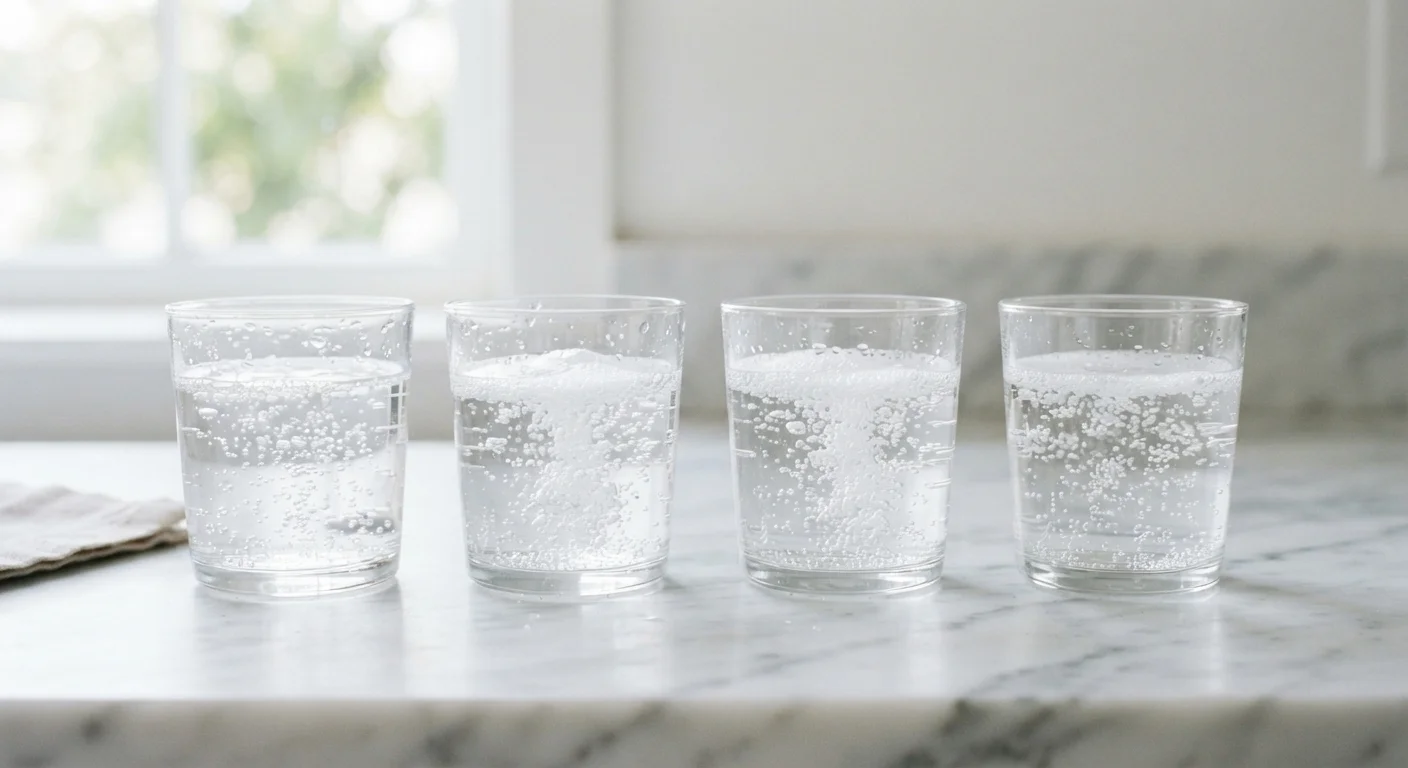
Photo credit: ResultsPivot.com | Discover Insightful Content!
In this article
These four bubbly drinks look alike but taste and behave very differently. A clear breakdown of what sets each one apart.
Key Takeaways
- Sparkling water gets its bubbles naturally from the source; seltzer gets them added artificially.
- Club soda contains added minerals like sodium bicarbonate, giving it a slightly salty, crisp taste.
- Tonic water is sweetened and contains quinine, making it the only one with significant calories.
- None of these four drinks are interchangeable in cocktails — each changes a drink's flavor profile.
- Seltzer and plain sparkling water are the closest substitutes for each other in most recipes.
Four Bubbly Drinks, Four Very Different Stories
Walk into any American grocery store and the bubbly water aisle can feel genuinely overwhelming. Sparkling water, seltzer, club soda, tonic — they all look similar in the bottle, but pour them side by side and the differences become obvious fast. The confusion is understandable: the carbonated water category has exploded in the US over the past decade, and the labels don't always help. Here's a clear breakdown of what each one actually is.
Sparkling mineral water is water that either naturally contains dissolved CO₂ gas from its underground source, or has that gas restored after bottling. The key word is mineral — it also carries dissolved minerals like calcium and magnesium from the rock it passed through, which gives brands like Perrier or San Pellegrino their distinctive, slightly complex taste. No minerals are artificially added.
Seltzer is simply plain water with carbonation forced in under pressure — full stop. No minerals, no sodium, no flavoring. It's the most neutral of the four, which is why flavored seltzers (think those ubiquitous canned sparkling waters) use it as a base. Seltzer and plain sparkling water are the most interchangeable of the four drinks.
| Criterion | Sparkling Water / Seltzer | Club Soda / Tonic Water |
|---|---|---|
| Carbonation source | Natural (sparkling water) or forced (seltzer) | Forced in both cases |
| Added minerals | Natural only (sparkling water); none in seltzer | Yes — sodium bicarbonate and others in club soda |
| Added sweetener | None | None in club soda; sugar or alternative in tonic |
| Quinine | No | Only in tonic water |
| Calories | Zero (unflavored) | Near-zero (club soda); ~80–90 per 8 oz (tonic) |
| Taste profile | Neutral to slightly mineral | Crisp/salty (club soda); bittersweet (tonic) |
| Best cocktail use | Neutral mixer; flavored drinks | Highballs and gin & tonic |
Club Soda vs. Tonic: Where It Gets Interesting
Club soda starts with the same premise as seltzer — artificially carbonated water — but manufacturers then add a blend of minerals, typically sodium bicarbonate, potassium sulfate, and sometimes sodium chloride. The result has a subtly salty, clean finish that makes it a bartender staple. That mineral profile also helps it blend smoothly into cocktails without flattening other flavors.
Tonic water is in a different league entirely. It's sweetened (traditionally with sugar, though diet versions use artificial sweeteners) and contains quinine, a compound originally derived from cinchona tree bark. Quinine was used historically as an anti-malarial treatment in tropical regions, and British colonists mixed it with sugar and water to make it palatable — then added gin. That's the origin story of the gin and tonic. Today, the quinine level in commercial tonic is far too low to have any medicinal effect; it's purely there for the characteristic bitter note.
$10B+
US sparkling water market size
The US carbonated water market surpassed $10 billion in retail value, reflecting a dramatic shift away from sugary sodas over the past decade.
80–90 kcal
Calories per 8 oz of tonic water
Standard tonic water contains roughly 80–90 calories per serving due to its sugar content, compared to zero in plain seltzer or club soda.
~1
Parts per million quinine in commercial tonic
The FDA limits quinine in beverages to 83 parts per million — far below any therapeutic dose, meaning tonic water's quinine is purely for flavor.
Because tonic water contains sugar, it's the only one of the four with a meaningful calorie count — roughly 80–90 calories per 8-ounce serving, depending on the product. That matters both for everyday drinking habits and for anyone experimenting with the growing world of alcohol-free cocktails. As non-alcoholic spirits continue to rise in popularity, choosing the right bubbly mixer has become a real craft decision.
A Note on "Flavored Sparkling Water"
Most canned flavored sparkling waters you'll find at the store use seltzer as their base — not mineral water — with natural or artificial flavors added. Some contain trace amounts of sodium. Always check the label if mineral content matters to you, whether for dietary reasons or for mixing drinks.
Why It Matters What You Pour
Swapping one bubbly water for another in a recipe or cocktail isn't always harmless. Club soda's mineral salinity can subtly enhance savory flavors — it's the traditional choice for a proper whisky highball or a sparkling lemonade where a little lift is welcome. Tonic's bitterness will absolutely overpower a delicate mocktail if you aren't expecting it. And using straight sparkling mineral water in a cocktail that calls for club soda can introduce mineral flavors that compete with the spirit.
For anyone curious about the broader landscape of American drinks — from regional traditions to what's trending at bars right now — regional drinks reveal a lot about taste and culture that often trace back to exactly these kinds of ingredient choices.
The short version: if you want pure, clean fizz, reach for seltzer or plain sparkling water. If you're building a cocktail, the distinction between club soda and tonic isn't a technicality — it's the whole flavor architecture of the drink.

Author
Food & Drink Editorial Team
Food & Drink Editorial Team is the collective byline for our editorial team and contributor network. Articles published under this byline or an editorial pen name are researched, written, and reviewed according to our editorial standards for clarity, consistency, and independence before publication.
View all articles →