
The World of Shrubs: America's Forgotten Drinking Vinegars
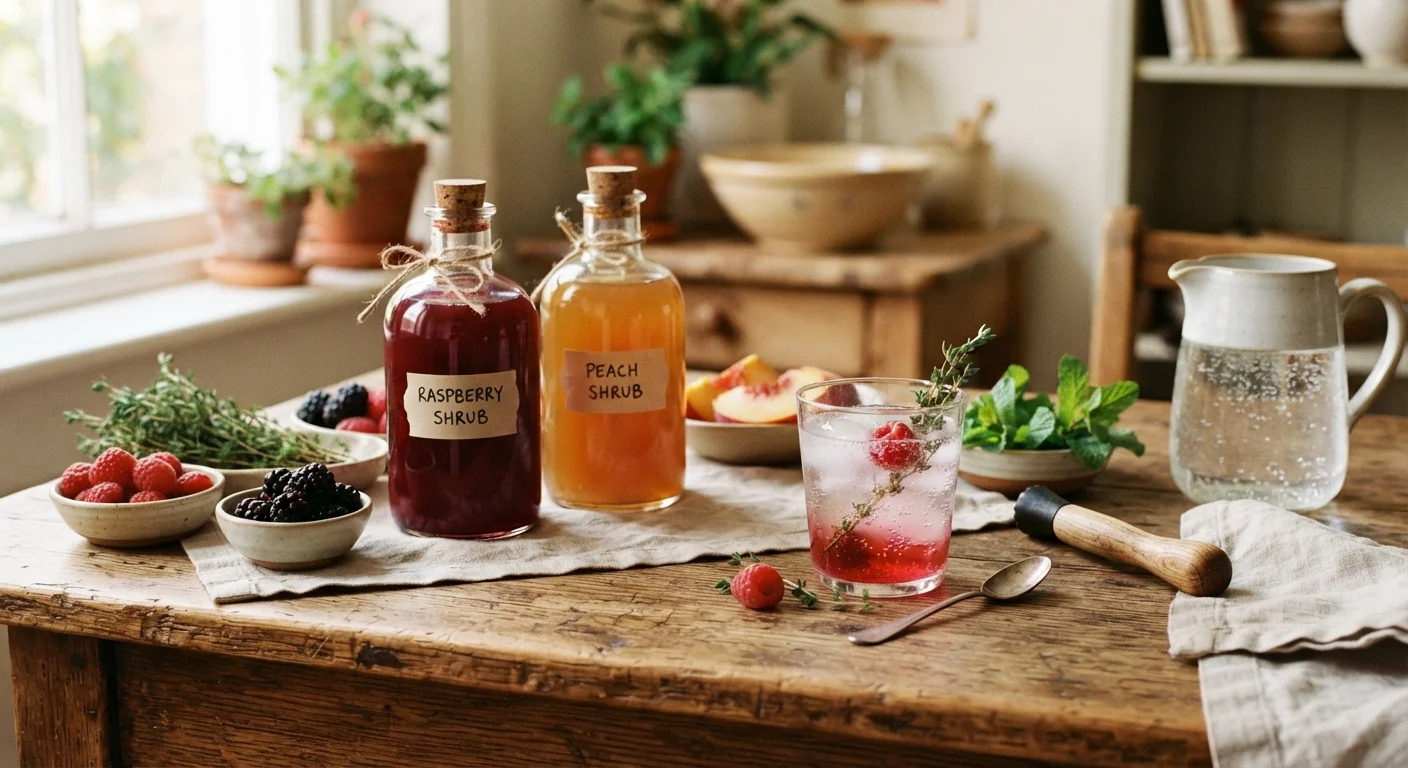
Photo credit: ResultsPivot.com | Discover Insightful Content!
In this article
Shrubs — tangy, fruit-and-vinegar syrups — are making a slow comeback. Learn what they are, where they came from, and how they're used.
Key Takeaways
- A shrub is a concentrated syrup made from fruit, sugar, and vinegar, used to flavor drinks.
- Shrubs have roots in colonial American food preservation and were commonplace before refrigeration.
- They work equally well in cocktails, mocktails, and sparkling water.
- The craft beverage revival and non-alcoholic drinking culture are fueling renewed interest in shrubs.
- Making shrubs at home requires no special equipment — just fruit, vinegar, and patience.
What Exactly Is a Shrub?
If someone handed you a glass of sparkling water with a splash of something dark and tangy, you might not immediately reach for the word shrub. But that's exactly what you'd be tasting. A shrub — also called a drinking vinegar — is a concentrated syrup made from three core ingredients: fruit, sugar, and vinegar. Mix a tablespoon or two into still or sparkling water, and you have a drink that is simultaneously sweet, sour, and surprisingly refreshing.
The word "shrub" in this sense has nothing to do with bushes. It likely derives from the Arabic sharab, meaning a drink or syrup, which traveled through centuries of culinary history before landing in colonial American kitchens.
Shrub
A concentrated beverage syrup made from fruit, sugar, and vinegar. It is mixed with water or spirits to make drinks, not consumed on its own.
Drinking vinegar
Another name for a shrub — a vinegar-based syrup diluted for drinking. The term emphasizes vinegar as a functional ingredient rather than just a preservative.
Cold process
A shrub-making method where fruit and sugar macerate (soak together) at room temperature to extract juice, then vinegar is added without heat.
Macerate
To soften or break down a food — often fruit — by soaking it in liquid or sugar, which draws out its natural juices and flavors.
Switchel
A traditional American drink made from water, vinegar, ginger, and a sweetener like molasses. It is a close cousin to shrubs and shares similar historical roots.
A Brief History: From Colonial Preservation to Craft Bars
Before refrigeration, preserving summer fruit was a practical necessity. Colonial Americans discovered that combining fruit with vinegar and sugar created a stable, shelf-stable syrup that could last through winter. Mixed with water — or, more commonly, rum — it became a popular social drink. Shrubs were a fixture of taverns and households from roughly the 17th through the 19th centuries.
As refrigeration became widespread in the 20th century, shrubs quietly faded. There was simply less need to preserve fruit the old-fashioned way. For decades they became a historical footnote — the kind of thing you'd encounter in a colonial recipe book but nowhere else.
Then craft cocktail culture arrived. Bartenders hungry for house-made, complex mixers rediscovered shrubs around the early 2010s, and they began appearing on menus at cocktail bars across the country. Today they sit comfortably alongside other fermented and functional beverages that Americans are embracing. For more on that trend, see fermented foods Americans are actually eating now.
Shrubs vs. Kombucha: Related but Different
Shrubs and kombucha are sometimes grouped together as "vinegary" drinks, but they are made differently. Kombucha is a fermented tea that produces its own acids through live cultures. Shrubs are simply fruit-and-sugar syrups preserved with added vinegar — no fermentation required. Both deliver that bright, acidic character, but the processes and flavor profiles are distinct.
How Shrubs Are Made
There are two main methods for making a shrub at home, and neither requires much equipment.
- Cold process: Combine fruit and sugar in a jar, let it sit for 24–48 hours until the sugar draws out the fruit's juice, then strain and add vinegar. This preserves delicate, fresh fruit flavor.
- Hot process: Simmer fruit with water and sugar to make a simple syrup, then cool and add vinegar. Faster and more consistent, though some brightness is lost to heat.
Apple cider vinegar is the go-to choice for beginners — it's fruity and mellow. From there, the flavor possibilities are wide open. Strawberry-black pepper, blueberry-lavender, and ginger-pear are just a few combinations that have become popular at farmers markets and craft food shops.
Start Simple, Then Experiment
If you're making your first shrub, try a classic combination like strawberry and apple cider vinegar before exploring complex pairings. Get comfortable with the ratio of sweet to sour — typically equal parts sugar and vinegar to your fruit — then adjust from there. Tasting as you go is the most reliable guide you have.
How to Actually Drink One
The most straightforward use is a simple mixer: one to two tablespoons of shrub syrup in a glass of sparkling water over ice. But shrubs go much further than that. They work beautifully as a cocktail modifier — adding fruit-forward acidity to spirit-forward drinks the way citrus juice does, but with more depth and shelf stability.
For those cutting back on alcohol, shrubs are a natural fit. Their complexity makes non-alcoholic drinks feel genuinely interesting rather than like a consolation prize. This connects to a broader shift in American drinking habits that the quiet rise of non-alcoholic spirits has helped accelerate.
Beyond glasses, shrubs turn up in salad dressings, marinades, and glazes — anywhere you'd use vinegar and want a hint of fruit sweetness alongside the acidity.
Why Shrubs Are Trending Again
Several forces are converging to give shrubs a second life. The growth of sober-curious drinking culture has created real demand for non-alcoholic beverages that feel sophisticated. The fermentation-and-gut-health wave has made consumers more comfortable with vinegar-forward flavors. And a general enthusiasm for artisanal, historically rooted foods has given shrubs the origin story that modern consumers tend to appreciate.
Shrubs also fit neatly into the American regional drinks tradition — a category worth exploring if you're curious about how beverages carry cultural identity, as regional drinks that define American food identity makes clear.
Whether you encounter one at a craft cocktail bar or mix one up at home, shrubs reward curiosity. They are, at their core, a very old answer to a very modern question: how do you make a drink that's interesting, balanced, and alcohol-optional? Turns out, the colonists had some ideas.
Vinegar Quality Matters
Not all vinegars behave the same way in a shrub. Very harsh or strongly flavored vinegars can overwhelm delicate fruit flavors. If your finished shrub tastes more like salad dressing than a drink, the vinegar-to-sugar ratio may need adjusting, or a milder vinegar variety could be a better fit for what you're making.
Frequently Asked Questions

Author
Food & Drink Editorial Team
Food & Drink Editorial Team is the collective byline for our editorial team and contributor network. Articles published under this byline or an editorial pen name are researched, written, and reviewed according to our editorial standards for clarity, consistency, and independence before publication.
View all articles →