
Cat Slow Blinks, Head Bunts, and Chirps: A Field Guide to Feline Communication
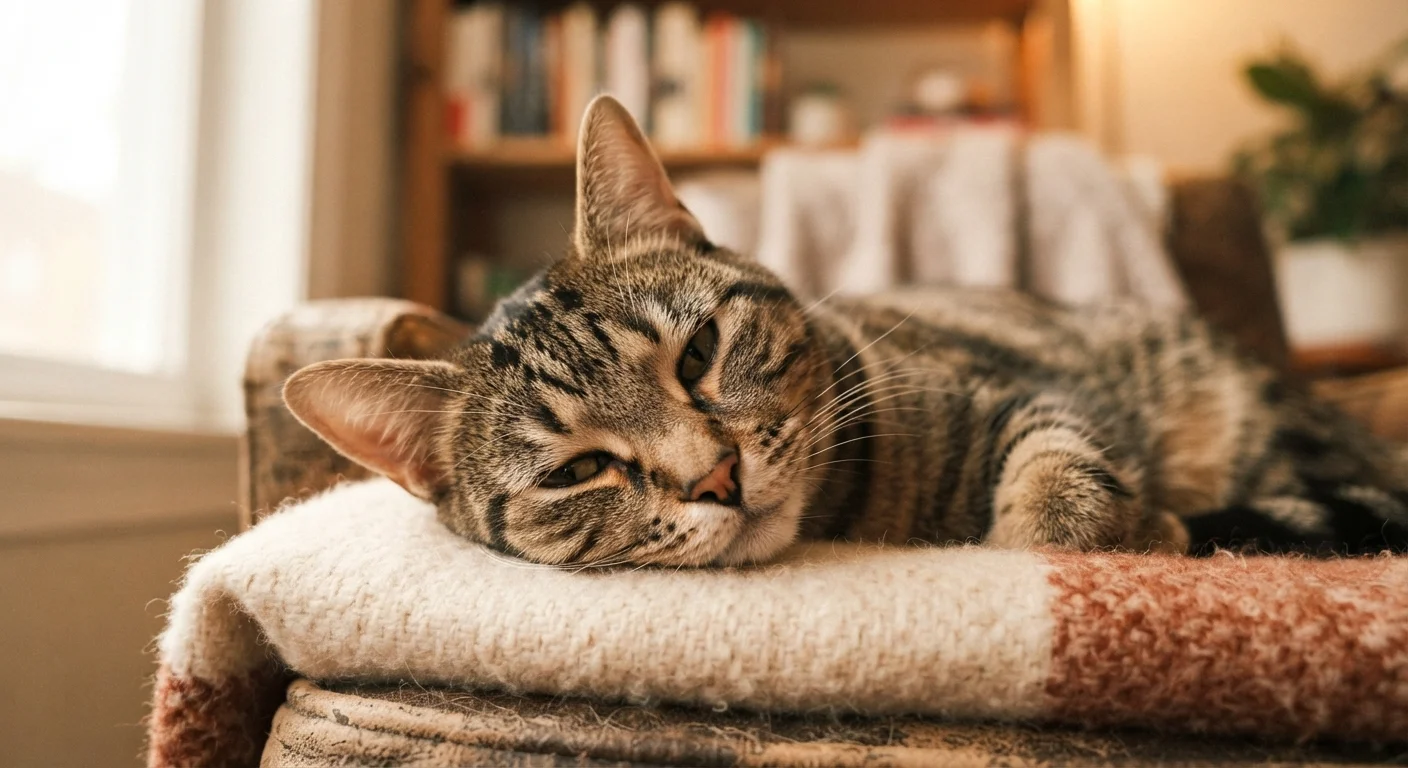
Photo credit: ResultsPivot.com | Discover Insightful Content!
In this article
Decode the subtle signals cats use every day — from the slow blink of trust to the chirp aimed at birds on the windowsill.
Why Cats Communicate the Way They Do
Cats are often labeled as mysterious or aloof, but that reputation mostly comes down to a communication gap. Unlike dogs, who evolved alongside humans over thousands of years developing shared signals, cats are semi-solitary hunters whose body language was originally built for feline-to-feline interaction. When they live with us, they adapt — but we have to meet them halfway.
Research in animal behavior suggests that cats actually develop individualized vocal patterns with their specific owners, adjusting meows and chirps based on what gets a response. In other words, your cat is actively trying to talk to you. Understanding a handful of key signals makes a real difference in your relationship — and can even help you spot stress or discomfort earlier. For a deeper look at subtle cues that might signal something more serious, see our guide on signs your pet may be unwell.
| Primary communication mode | Body language and scent (vocalizations secondary) |
| Meowing directed at humans | Adult cats meow primarily to communicate with people, not other cats (Animal behavior research, widely documented) |
| Slow blink research | Cats are more likely to approach humans who return slow blinks (University of Portsmouth, 2020) |
| Number of distinct vocalizations | Cats can produce over a dozen distinct sound types |
| Facial scent glands | Located on forehead, cheeks, and chin — used in bunting and rubbing |
The Slow Blink, Head Bunt, and Other Affection Signals
Feline affection looks nothing like a dog's tail wag, but it's just as meaningful once you recognize it.
Bunting
The act of a cat pressing its forehead or cheeks against a person or object to deposit scent from facial glands. It's a social bonding and territorial marking behavior directed at trusted individuals.
Chattering
A rapid, clicking or stuttering vocalization cats produce when watching prey — typically birds or insects — through a window. The exact function is debated, but it's associated with high prey drive and excitement.
Trill
A short, rising vocal sound that combines elements of a meow and a purr. Cats use it as a friendly greeting, and mother cats use it to communicate with kittens.
Slow Blink
A deliberate, unhurried closing and reopening of the eyes that cats use as a calming and trust signal. Returning the gesture to a cat is thought to encourage positive social interaction.
Kneading
A repetitive pushing motion with alternating paws that cats perform on soft surfaces. It originates in nursing behavior and in adult cats signals contentment and a sense of safety.
Airplane Ears
A colloquial term for when a cat flattens its ears sideways or backward. It indicates anxiety, irritation, or fear, and is a clear signal to reduce interaction and give the cat space.
Slow Blink
If your cat holds eye contact and then slowly closes and opens their eyes, that's widely considered a feline gesture of trust and contentment. You can reciprocate: make soft eye contact and slowly blink back. Many cats will respond by blinking again. Researchers at the University of Portsmouth found that cats were more likely to approach and interact with humans who returned slow blinks — suggesting it's a genuine cross-species signal, not just coincidence.
Head Bunt (or Bunting)
When your cat presses their forehead or cheek against you, they're depositing scent from facial glands — marking you as part of their social group. It's a high compliment. Cats typically reserve bunting for individuals they feel completely comfortable with.
Slow Tail Wrap
A cat who wraps their tail around your leg or another cat's body is showing affiliation and calm attachment. Think of it as the feline equivalent of a hug.
Kneading
That rhythmic pushing motion cats do on soft surfaces — or on you — traces back to kittenhood nursing behavior. Adult cats often knead when they're relaxed and feeling safe. It's an involuntary comfort signal.
16+
Distinct vocalizations observed in domestic cats
Feline communication researchers have catalogued over 16 sound categories, ranging from chirps and trills to murmurs and strained intensity calls.
~50%
Of cats responded positively to owner's returned slow blink
In controlled trials at the University of Portsmouth, cats showed significantly more affiliative behavior toward humans who mirrored the slow-blink gesture.
Chirps, Chatters, Trills, and What Each One Means
Cats have a surprisingly wide vocal range, and different sounds carry distinct meanings.
Chirp or Chatter
That rapid, staccato clicking sound your cat makes while watching a bird through the window is called chattering. The exact reason isn't fully understood, but leading theories suggest it may be an instinctive response to prey frustration, or possibly a mimicry of bird calls used in the wild to lure prey. Either way, it's usually a sign your cat is highly stimulated and fixated.
Trill
A short, musical sound somewhere between a meow and a purr — trills are typically greeting calls. Mother cats use them to call kittens, and adult cats often trill at humans they like when entering the room. If your cat trills at you, they're saying hello warmly.
The Classic Meow
Interestingly, adult cats rarely meow at each other — it's largely a behavior developed for communicating with humans. Different meows (short, drawn out, insistent) mean different things, and owners tend to learn their individual cat's vocabulary over time.
Yowling
Loud, prolonged yowling in an adult cat — especially at night — can signal distress, disorientation, or a medical issue. It's worth discussing with a veterinarian if it's a new or persistent behavior. You can learn more about stress signals that escalate in clinic environments in our piece on reading your pet's body language during a vet visit.
When Behavioral Changes May Signal Health Issues
A sudden increase in yowling, hiding, or loss of usual social signals can sometimes point to pain, cognitive changes, or illness rather than purely emotional causes. This is especially true in senior cats. If your cat's communication patterns shift noticeably, a veterinary check-up is a reasonable first step — not something to wait out.
Body Language Quick Reference
Vocal cues are just one channel. A cat's posture, tail, and ear position often communicate more than any sound.
- Ears forward, tail up: Confident, curious, and approachable.
- Ears flattened sideways ("airplane ears"): Anxious or irritated — give space.
- Ears pinned back, pupils dilated: Fearful or potentially defensive. Back off and let the cat retreat.
- Tail puffed up: The cat feels threatened and is trying to appear larger.
- Slow, low tail swish: Can signal mild agitation — different from a dog's happy wag.
- Belly exposed: Often misread as an invitation for a rub. In cats, a displayed belly usually signals comfort and trust, but not necessarily a request to be touched there. Many cats will react defensively to belly contact even when relaxed.
Understanding these combined signals helps you respond appropriately rather than accidentally escalating a tense moment. If you're also curious about other puzzling feline behaviors, our piece on why cats knock things off tables digs into the behavioral science behind one of the internet's favorite cat quirks.
This article is for informational and educational purposes only. If you notice sudden or significant changes in your cat's behavior, consult a qualified veterinarian to rule out underlying health concerns.

Author
Pets Editorial Team
Pets Editorial Team is the collective byline for our editorial team and contributor network. Articles published under this byline or an editorial pen name are researched, written, and reviewed according to our editorial standards for clarity, consistency, and independence before publication.
View all articles →