
Subscription Boxes vs. One-Time Purchases: Which Shopping Model Suits Your Habits?
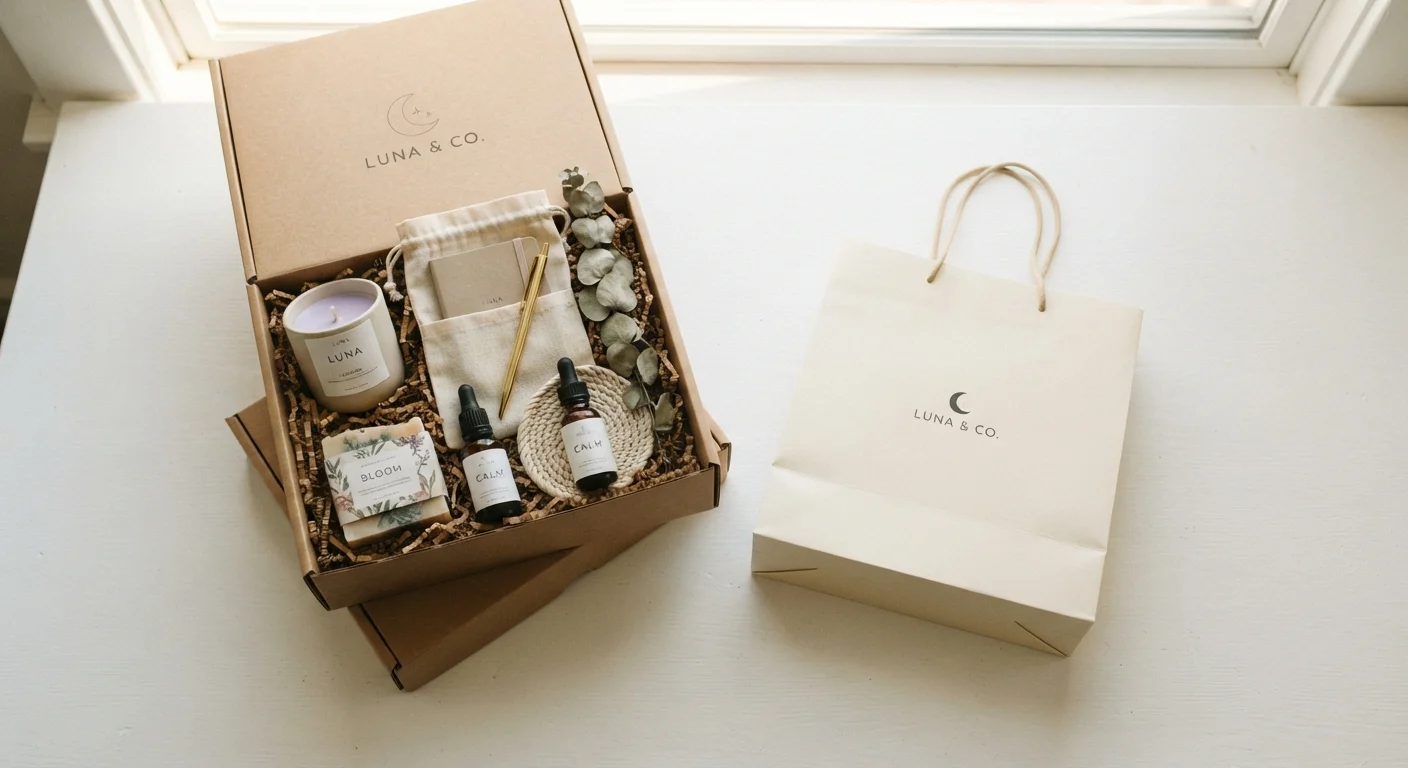
Photo credit: ResultsPivot.com | Discover Insightful Content!
In this article
Recurring deliveries or buy-as-you-go? A balanced look at how subscription shopping stacks up against traditional one-off buying for everyday consumers.
Key Takeaways
- Subscription boxes offer convenience and curation but can lead to passive overspending if not monitored.
- One-time purchases give consumers full control but require more active decision-making and effort.
- Neither model is universally cheaper — true cost depends heavily on how much you actually use what arrives.
- Cancellation friction is a real risk with subscriptions; always know your exit options before signing up.
- Matching the shopping model to your actual habits is more important than chasing a perceived deal.
How Each Model Actually Works
Subscription boxes operate on a recurring billing cycle — weekly, monthly, or quarterly — delivering a curated selection of products to your door without requiring a new purchase decision each time. The category spans everything from personal care and snacks to pet supplies and hobby kits. The appeal is automation: you sign up once and the box arrives.
One-time purchases are the traditional model: you identify a need, choose a product, pay for it, and the transaction is complete. No ongoing commitment, no future charges unless you choose to return. It's the default shopping behavior most consumers grew up with, now available across retail stores, e-commerce platforms, and increasingly through social channels — a shift explored in detail in The Rise of Social Commerce.
Both models are widely available and serve legitimate purposes. The question isn't which one is better in the abstract — it's which one fits how you actually shop.
| Criterion | Subscription Boxes | One-Time Purchases |
|---|---|---|
| Purchase decision frequency | Once at sign-up | Every transaction |
| Cost predictability | Fixed recurring charge | Variable, spend-as-needed |
| Product control | Limited; curated by provider | Full; chosen by consumer |
| Risk of unused items | Higher | Lower |
| Cancellation effort | Often requires active steps | Not applicable |
| Discovery and novelty | Built in by design | Consumer-driven only |
| Best value scenario | Consistent, high-use categories | Irregular or specific needs |
The Real Cost Comparison
Subscription services often advertise per-unit savings compared to retail prices, and in some categories that math holds up. But the true cost calculation includes what you do with every item that arrives. If a monthly box delivers eight products and you regularly use four of them, you're effectively paying double for the ones you value.
~$38
Average monthly US subscription box spend per subscriber
Estimates from consumer research firms suggest the average US subscriber spends roughly $35–$40 per month across active box subscriptions, though figures vary by category.
42%
Subscribers unaware of all active subscriptions
Surveys by financial services companies have found that a significant share of consumers underestimate how many recurring subscriptions they're paying for at any given time.
3 in 5
Subscribers who've canceled at least one box
Consumer research consistently shows the majority of subscription box customers have canceled at least one service, most commonly citing cost or receiving unwanted items.
One-time purchases, by contrast, carry no such risk of accumulation. You buy what you need when you need it. The tradeoff is that you absorb the full retail price each time, and you're responsible for remembering to restock. For consumables you use at a steady, predictable rate, a subscription can genuinely reduce cost-per-use. For everything else, the math often favors buying as needed.
It's also worth comparing the subscription model to another bulk-style approach. Buying in bulk shares some of the same logic — upfront commitment in exchange for lower per-unit cost — but comes with similar risks when consumption patterns don't match purchase volume.
Convenience vs. Control
Convenience is the central promise of the subscription model. For genuinely busy households, removing routine purchase decisions from the mental load has real value. When the products align well with your habits, subscriptions function almost invisibly — replenishing what you need without requiring active effort.
But convenience has a shadow side. The same frictionlessness that makes subscriptions easy to maintain also makes them easy to forget. Charges continue whether or not you're paying attention, and many services are designed with exactly that in mind. Before committing, it's worth reading up on subscription cancellation practices — the process of exiting is often more involved than signing up.
Check Cancellation Terms Before You Subscribe
Many subscription services require cancellation requests to be submitted several days before the next billing date — missing that window means you're charged for another cycle. Some also require cancellation through specific channels rather than a simple account settings toggle. Reading the cancellation and refund policy before signing up is one of the most practical steps a new subscriber can take.
One-time purchasing puts the consumer firmly in control. Nothing arrives unless you choose it, and nothing is charged unless you act. That deliberateness can actually reduce impulse spending, though it does require more active engagement with your shopping habits. For a broader view of how personalization is reshaping those habits, this look at impulse buying in the age of personalization adds useful context.
Matching the Model to Your Habits
The most practical way to decide between these models isn't to pick a winner — it's to audit your actual behavior. Subscriptions work well when three conditions are met: you use the product type consistently, the curation adds value you wouldn't easily replicate yourself, and you stay engaged enough to pause or cancel when your needs shift.
One-time purchasing works better when your needs are irregular, when you have strong product preferences that a curated box is unlikely to satisfy, or when you're in a period of reducing discretionary spending. It also suits categories where product quality varies significantly and you want to evaluate each purchase individually.
Many consumers use both models simultaneously — subscriptions for a few high-use categories and one-off purchases for everything else. That hybrid approach can capture the convenience benefits where they're genuine while keeping overall spending intentional. The retail landscape itself is evolving quickly around both models, as covered in Shopping Formats Redefining Retail Right Now. Understanding the full picture of where and how we shop is part of staying ahead of decisions that affect your wallet.

Author
Shopping Editorial Team
Shopping Editorial Team is the collective byline for our editorial team and contributor network. Articles published under this byline or an editorial pen name are researched, written, and reviewed according to our editorial standards for clarity, consistency, and independence before publication.
View all articles →