
Impulse Buying in the Age of Personalisation: What's Actually Happening
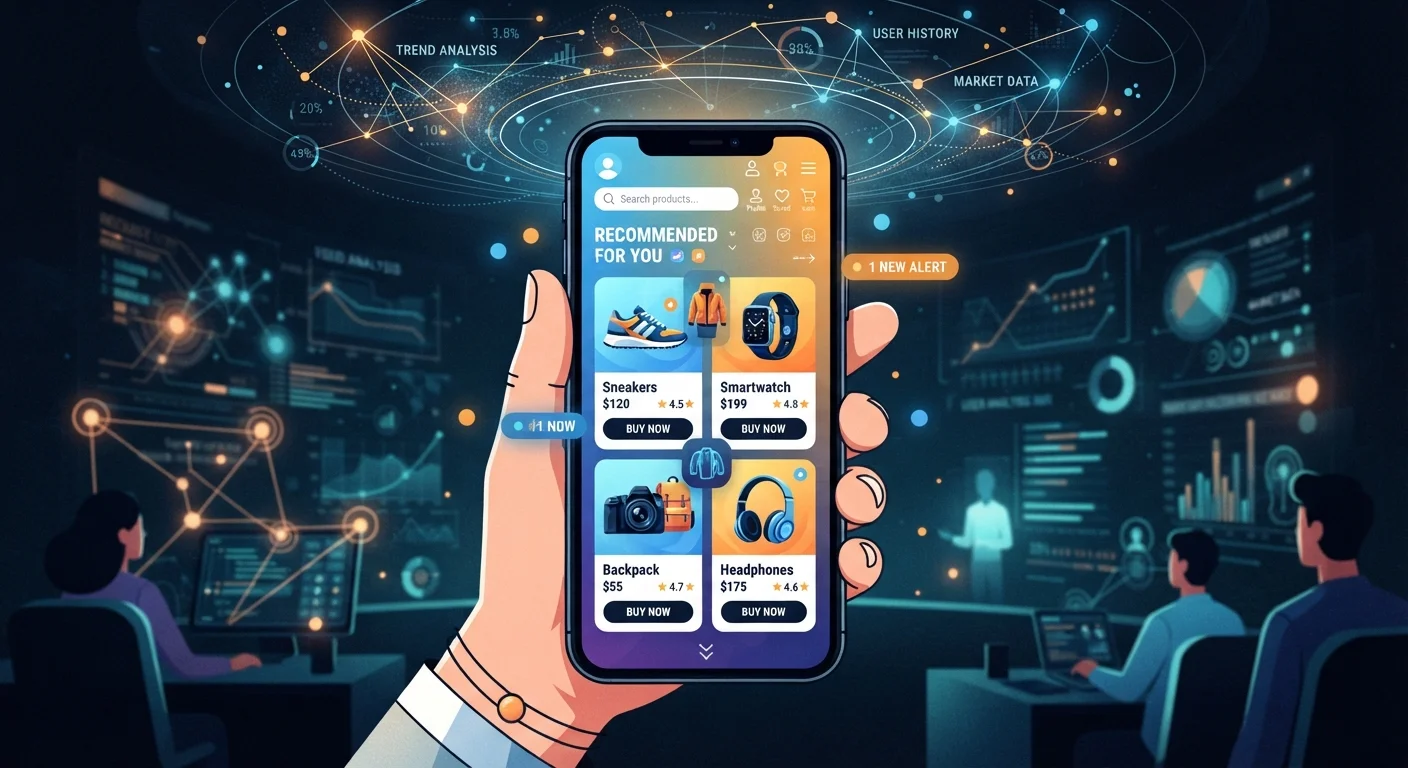
Photo credit: ResultsPivot.com | Discover Insightful Content!
In this article
Algorithmic recommendations and personalised feeds have changed how impulse purchases happen. Here's the psychology and mechanics behind it.
Key Takeaways
- Algorithms now trigger impulse purchases by predicting what you want before you search for it.
- Personalised recommendations feel organic but are engineered to maximise conversion.
- Social commerce — shopping embedded in social feeds — is accelerating impulsive spending patterns.
- Recognising the mechanics behind these nudges is the first step to more intentional spending.
- Emotional state and context (time of day, recent browsing) heavily influence algorithmic targeting.
The Old Impulse Buy — and Why It's Changed
The classic impulse buy had a physical address: the candy rack by the register, the sale bin near the store entrance. It worked because retailers understood foot traffic and placement. What it couldn't do was know you.
Today's version is fundamentally different. When a platform surfaces a product you didn't search for — but immediately want — that moment has been engineered using your behavioural data. Scroll history, past purchases, time spent on certain product pages: all of it feeds a model calibrated to your specific patterns. The impulse feels spontaneous. The setup was deliberate.
Understanding your rights and choices as a consumer starts with understanding how these systems actually work — because what looks like serendipity is usually the result of significant algorithmic effort.
Personalisation Isn't Inherently Predatory
Recommendation algorithms also surface genuinely useful products — items you'd have sought out anyway, or solutions to problems you hadn't yet articulated. The issue isn't personalisation itself but the optimisation target: systems built to maximise conversion will naturally push toward purchase, regardless of whether that purchase serves the buyer's interests. Knowing that distinction helps you engage with recommendations more selectively.
How Recommendation Engines Engineer the 'Want'
Recommendation algorithms don't just match you to things you've liked before. They model your predicted future preferences — products you haven't encountered yet but are statistically likely to buy given your cohort's behaviour. This is what makes them unusually effective at triggering unplanned purchases.
Several mechanics are worth knowing:
- Collaborative filtering: You're grouped with users who share your purchase patterns. What they bought next gets suggested to you.
- Recency weighting: Your most recent browsing matters more than older history, so a single search can dramatically shift what you see for days.
- Context sensitivity: Some platforms adjust recommendations by time of day, device type, and even how quickly you're scrolling — slower scrolling can signal more engagement and trigger higher-value product placements.
These aren't passive tools. They're optimised for conversion, which means they're optimised to generate purchases — including unplanned ones. This overlaps meaningfully with design tricks that push you to spend more than you planned.
~49%
Online shoppers who made an impulse purchase in the past month
Figures from consumer surveys (including Slickdeals polling) consistently place roughly half of online shoppers reporting a recent impulse purchase, with mobile being the dominant channel.
3x
Higher conversion rate for personalised vs. generic recommendations
Industry analyses of e-commerce personalisation engines generally report conversion rates two to three times higher for algorithmically personalised product placements compared to non-personalised alternatives.
$700B+
Projected global social commerce sales
Multiple market research firms project global social commerce revenues to exceed $700 billion in the mid-2020s, reflecting the rapid integration of shopping into social media platforms.
Social Commerce and the Frictionless Purchase
Perhaps the most significant structural change in impulse buying is the rise of social commerce — the integration of shopping directly into social media feeds. When you can buy without leaving an app, the normal pause that comes with opening a new tab, finding a product page, and entering payment details disappears. That friction was doing protective work.
In-app checkout, one-tap payment options, and shoppable video content have compressed the gap between desire and purchase to near zero. Consumer researchers note that reduced friction consistently correlates with higher rates of unplanned buying.
There's also the social proof layer: you're not just seeing a product, you're seeing it in the context of someone you follow using and endorsing it. That context makes the purchase feel validated rather than impulsive, even when it fits every definition of an unplanned buy.
“The most effective purchase prompt is one the consumer doesn't recognise as a prompt at all. When discovery and advertising become indistinguishable, deliberation breaks down.”
— Jonah Berger, Marketing professor and author specialising in consumer behaviour and social influence
The Emotional Dimension Algorithms Are Learning to Read
Impulse buying has always had an emotional component. Stress, boredom, and emotional fatigue are well-documented drivers of unplanned spending. What's newer is the degree to which platforms can infer emotional context from behavioural signals.
Late-night browsing, rapid scrolling followed by sudden stops, repeated visits to a product page — these patterns can signal emotional states that correlate with reduced deliberation. Some platforms explicitly tune recommendations around these signals, not to exploit distress, but because engagement and conversion data tells them it works.
For consumers, the practical implication is straightforward: if you're aware that your emotional state affects your susceptibility to algorithmic nudges, you can build in simple countermeasures — a 24-hour waiting rule, a dedicated shopping list you review weekly rather than browsing spontaneously. Making value-driven purchases is easier when you recognise the conditions working against deliberation.
Try the 24-Hour Cart Rule
Before completing any unplanned purchase, add the item to your cart and wait 24 hours before returning to it. This single friction-introducing habit sidesteps the immediacy that algorithmic environments are designed to exploit. Many 'impulse wants' lose urgency by the next morning — and some turn into considered, confident buys you won't regret.
Spending Patterns in Broader Context
Personalised impulse buying doesn't happen in isolation. It sits alongside broader shifts in how people shop — the growth of subscription models, the rise of resale culture, and evolving attitudes toward consumption. Someone who defaults to subscription boxes over one-off purchases has a different exposure profile to algorithmic impulse nudges than a one-time buyer browsing open marketplaces.
Similarly, the growth of resale and pre-owned shopping reflects, in part, a consumer pushback against the 'new product, now' rhythm that personalised retail encourages. Understanding where your own habits sit within these trends helps clarify what forces are actually shaping your spending — and which ones are worth resisting.
Frequently Asked Questions

Author
Shopping Editorial Team
Shopping Editorial Team is the collective byline for our editorial team and contributor network. Articles published under this byline or an editorial pen name are researched, written, and reviewed according to our editorial standards for clarity, consistency, and independence before publication.
View all articles →