
Solo Travel Myths That Keep People From Going
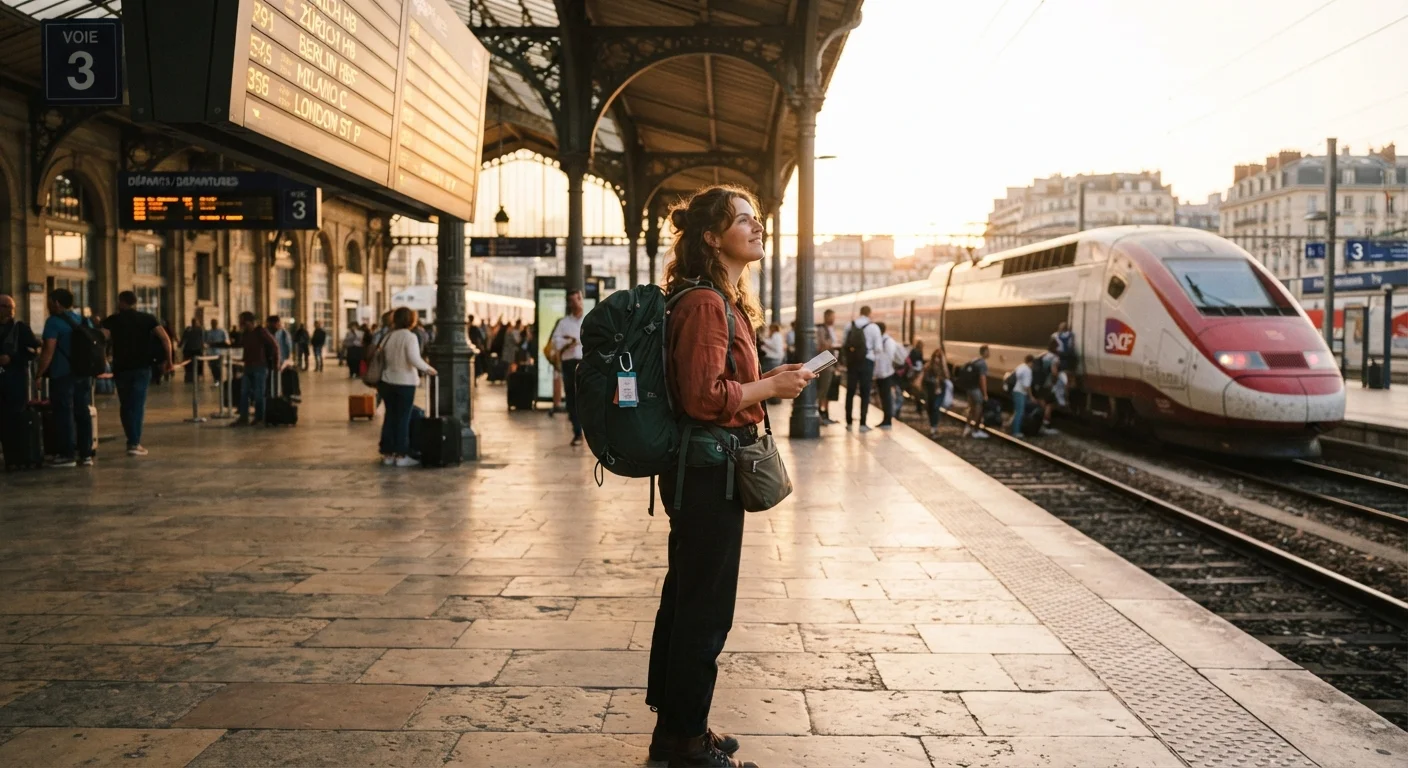
Photo credit: ResultsPivot.com | Discover Insightful Content!
From safety fears to loneliness, common assumptions about solo travel often don't hold up. Here's what the evidence and experience actually show.
Key Takeaways
- Solo travel is not inherently more dangerous than traveling with a group.
- Loneliness is common but temporary — solo travelers often report deeper social connections.
- Solo trips don't require extraordinary budgets or advanced planning skills.
- First-time solo travelers are far more common than popular narratives suggest.
Why Myths About Solo Travel Persist
Solo travel has surged in popularity over the past decade, yet the myths surrounding it have proved surprisingly stubborn. Fear of judgment, safety anxiety, and assumptions about cost or loneliness keep countless people from booking that first solo trip — even when those fears don't hold up under scrutiny.
What's interesting is how closely these travel misconceptions mirror the kind of thinking explored in learning myths that hold people back — in both cases, popular beliefs often contradict what experience actually shows. Below, we tackle the most persistent solo travel myths head-on.
Myth
Solo travel is far more dangerous than traveling with friends or family.
Fact
Risk in travel depends far more on destination, preparation, and situational awareness than on whether you're alone.
The danger-of-going-alone narrative overstates the risk difference. Traveling with companions doesn't automatically make you safer — groups can be just as distracted, and poor planning affects everyone equally. What genuinely reduces risk is researching your destination, checking government travel advisories before departure, keeping emergency contacts informed, and staying alert to your surroundings. Solo travelers often report being more vigilant precisely because they're self-reliant. Always verify current conditions through official government sources before you travel; conditions can change.
Myth
You'll be lonely the entire time — solo travel is an isolating experience.
Fact
Solo travelers frequently report more meaningful social interactions than they experience when traveling in a group.
When you travel alone, you become more approachable and more likely to reach out. Hostel common rooms, group day tours, cooking classes, and even shared tables at small restaurants become natural meeting points. The social dynamics shift: instead of turning inward to your existing group, you engage with strangers — locals and fellow travelers alike. Loneliness can still surface, especially on longer trips, but many solo travelers describe it as fleeting rather than defining. Building in regular check-ins with people back home helps, as does choosing accommodation with shared social spaces when you want company.
Myth
Solo travel is significantly more expensive because you pay single supplements and can't split costs.
Fact
Solo travel can cost roughly the same per person as group travel, and sometimes less, depending on how you plan.
Single supplements are real, but they're not universal. Many hostels, guesthouses, and budget hotels don't charge them. Solo travelers also avoid the group compromise tax — no one is pushing for the more expensive restaurant, the pricier excursion, or the larger rental car. You eat when and where you want, move at your own pace, and skip anything that doesn't fit your budget. That said, accommodation is usually the biggest solo cost factor, so researching single-friendly options ahead of time pays off. This is general financial information; actual costs vary widely by destination, season, and travel style.
Myth
Solo travel is only for young, experienced, adventurous people.
Fact
People of all ages and experience levels travel solo successfully; first-time solo travelers span a wide demographic range.
The image of the 22-year-old backpacker dominates solo travel marketing, but it doesn't reflect reality. Retirees, midlife travelers, and first-timers well into their 40s, 50s, and beyond regularly take solo trips — often finding it easier than they expected. Comfort level and preparation matter far more than age or prior travel experience. Starting with a destination where the language, infrastructure, or culture feels familiar can build confidence quickly. Solo travel, like most things, gets easier with practice — but the first step doesn't require a resume of past adventures.
Myth
It's selfish or irresponsible to travel alone, especially as a parent or partner.
Fact
Solo travel is a personal choice that many people in relationships and families navigate thoughtfully and successfully.
The idea that solo travel signals neglect or irresponsibility reflects a social assumption more than a practical truth. Many parents and partners take occasional solo trips with mutual agreement and good planning — and often return with renewed energy and perspective. It's a deeply personal decision shaped by individual circumstances, not a universal verdict. What matters is honest communication, practical arrangements, and realistic expectations on all sides. No article can tell you what's right for your situation; that's a conversation for the people directly involved.
What Solo Travel Actually Looks Like
Strip away the myths and what remains is a genuinely flexible, rewarding style of travel. Solo travelers set their own pace — lingering over a meal, changing plans on a whim, or simply sitting quietly in a piazza without negotiating with anyone. That autonomy is the whole point.
It also pairs naturally with slower, more immersive approaches. If you've ever been curious about the slow travel movement, solo trips are arguably the easiest way to practice it — there's no group itinerary to satisfy, just your own curiosity to follow.
~25%
Share of leisure travelers going solo
Industry surveys have consistently tracked solo travelers as a significant and growing share of the leisure travel market, with estimates commonly ranging around 20–25% of trips.
72%
Solo travelers who say they'd do it again
Surveys by travel research groups have repeatedly found that the large majority of first-time solo travelers report a positive enough experience to plan another solo trip.
Of course, solo and group travel each offer something distinct. Comparing the two approaches honestly is worthwhile before you decide which suits you best. And if you're worried about cultural missteps along the way, it helps to know that even seasoned travelers carry blind spots — a good reason to read up on cultural assumptions frequent travelers get wrong.
Always Verify Safety Information Officially
General travel advice — including this article — cannot substitute for up-to-date, destination-specific guidance. Before any trip, check your government's official travel advisory website (such as travel.state.gov for U.S. travelers) for current safety conditions, entry requirements, and health recommendations. Conditions change, and official sources reflect the most current information available.
The bottom line: solo travel isn't a niche pursuit for the fearless or the footloose. It's an accessible, adaptable way to see the world on your own terms — and the myths keeping you from trying it deserve a second look.

Author
Travel Editorial Team
Travel Editorial Team is the collective byline for our editorial team and contributor network. Articles published under this byline or an editorial pen name are researched, written, and reviewed according to our editorial standards for clarity, consistency, and independence before publication.
View all articles →