
Cultural Assumptions That Frequent Travelers Often Get Wrong
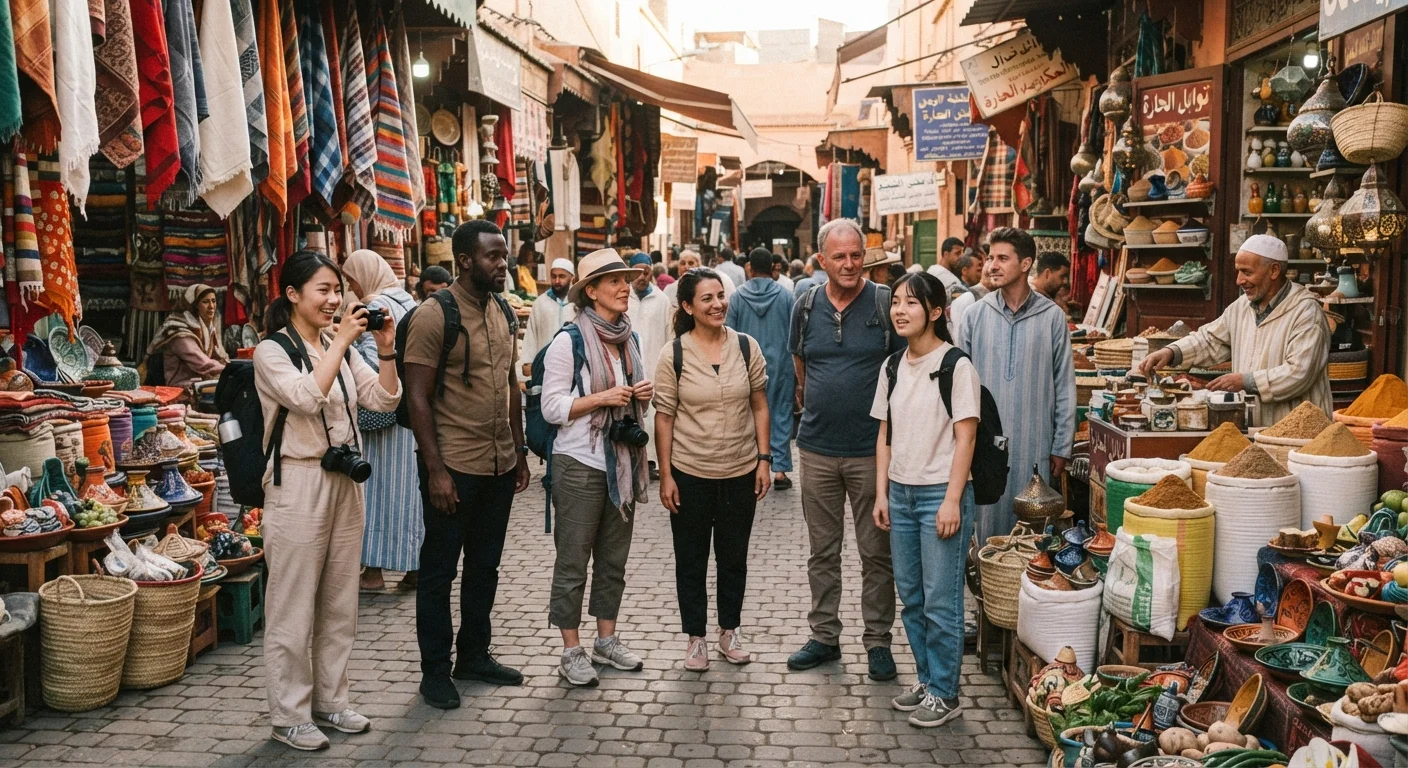
Photo credit: ResultsPivot.com | Discover Insightful Content!
In this article
Even experienced travellers carry hidden assumptions. Here's a look at common cultural misconceptions — and what a more open approach looks like.
Key Takeaways
- Frequent travel doesn't automatically make someone culturally fluent or free of bias.
- Many common assumptions about hospitality, time, and food are rooted in Western cultural norms.
- Silence, eye contact, and personal space carry vastly different meanings across cultures.
- Genuine cultural curiosity requires active unlearning, not just accumulating passport stamps.
- Locals often adapt to tourists — that doesn't mean their authentic practices have changed.
Why Experience Alone Doesn't Equal Understanding
Frequent travelers tend to earn a certain kind of credibility — and rightfully so. They've navigated unfamiliar transit systems, managed language gaps, and adapted to different climates and cuisines. But experience, without reflection, can quietly calcify into assumption. The traveler who has "been everywhere" may carry a set of cultural shortcuts that feel like wisdom but function more like bias.
The misconceptions that follow aren't aimed at beginners. They're the ones that tend to stick around longest — because they're comfortable, plausible, and often go unchallenged. Many travel myths persist for exactly this reason: they contain just enough truth to feel reliable.
Myth
The more countries you've visited, the more culturally aware you are.
Fact
Travel volume and cultural competence are not the same thing. Awareness requires deliberate reflection, not just mileage.
Collecting destinations can actually reinforce existing assumptions if a traveler never pauses to question their own lens. Someone who has visited 40 countries while staying in international hotel chains and eating familiar food may have less genuine cultural insight than someone who spent three weeks genuinely engaging with one community. Cultural competence is built through curiosity, humility, and deliberate openness on the road, not passport stamps alone.
Myth
If locals seem friendly and accommodating, the culture must align with your own values.
Fact
Hospitality toward visitors is a deeply embedded practice in many cultures — it rarely signals cultural similarity.
In many parts of the Middle East, South Asia, and West Africa, welcoming a stranger generously is a long-standing social obligation rather than a reflection of shared worldview. Mistaking warmth for familiarity can lead travelers to miss — or even inadvertently disrespect — the values underneath. A host who offers you tea and insists you stay for dinner may hold very different views on family structure, gender roles, or religion. Appreciating hospitality without projecting meaning onto it is a skill worth developing. See also: what gets lost in translation around food and culture.
Myth
English is widely spoken, so language barriers are mostly a thing of the past.
Fact
English proficiency varies enormously, and even where it exists, it doesn't erase communication nuance.
While English functions as a global lingua franca in airports, hotels, and tourist districts, the moment you step outside those contexts, fluency drops sharply in many regions. More importantly, language shapes thought — idiom, tone, and indirectness carry meaning that a translated phrase simply can't convey. In many East Asian communication styles, for example, a polite "yes" may signal acknowledgment rather than agreement. Assuming a shared language guarantees mutual understanding is one of the most quietly persistent traveler mistakes.
Myth
"Authentic" local culture is what you find away from tourist areas.
Fact
Culture is dynamic and layered — there's no single "real" version waiting to be discovered off the beaten path.
The idea that tourists corrupt authenticity while remote villages preserve it is a romantic oversimplification. Local cultures have always changed and adapted — long before tourism. A street food vendor in a busy market, a musician performing for visitors, or a craftsperson selling to travelers isn't performing a fake version of their culture. They're living it. First-time visitors often chase iconic sights while missing the nuanced, everyday culture that exists everywhere — including near tourist zones.
Myth
Being a respectful traveler means staying quiet and blending in.
Fact
Respect looks different across cultures — sometimes asking questions, participating, or engaging directly is what shows genuine regard.
The idea of the unobtrusive traveler — a silent observer who doesn't impose — sounds considerate but can actually come across as disinterested or aloof in cultures where social engagement is expected. In parts of Latin America, the Caribbean, and Southern Europe, warmly joining a conversation or accepting an invitation is considered polite. Hanging back awkwardly may be read as standoffish. Authentic respect means reading context rather than applying a one-size-fits-all definition of deference. Building this kind of sensitivity is part of reading a place before you arrive.
What a More Open Approach Actually Looks Like
Questioning cultural assumptions isn't about second-guessing every interaction or walking on eggshells. It's about staying genuinely curious rather than defaulting to pattern recognition. The goal isn't to become an expert in every culture you visit — that's not realistic, and pretending otherwise creates its own kind of arrogance.
74%
Travelers who feel more open-minded after international trips
A Expedia Group survey found that a large majority of travelers reported feeling more empathetic and open-minded after international travel, though researchers note self-reporting on mindset shifts has limitations.
6,500+
Living languages in the world today
Ethnologue estimates more than 7,000 languages are spoken worldwide, a figure that underscores how narrow an English-first perspective on global communication actually is.
What does help: doing some contextual groundwork before you arrive (geography, history, social norms), being honest about your own cultural conditioning, and treating moments of confusion as data rather than frustration. Habitual travelers often find that this shift happens gradually — small recalibrations that accumulate into a more genuinely open worldview.
Assumptions Can Have Real Consequences
Cultural misreads aren't just awkward — they can cause genuine offense, damage trust, or create safety issues in unfamiliar contexts. Local laws and social expectations around dress, behavior in religious spaces, photography, and gender interaction vary significantly and aren't always posted for tourists. Always verify current entry requirements, local laws, and cultural norms with official government sources and on-the-ground research before you travel — not just travel blogs.
The traveler who returns home slightly humbled, with more questions than answers, has usually learned more than the one with a confident summary of "what the people are like." That uncertainty, held lightly, is one of the more honest souvenirs travel offers. And destinations themselves often challenge our preconceptions the moment we arrive.

Author
Travel Editorial Team
Travel Editorial Team is the collective byline for our editorial team and contributor network. Articles published under this byline or an editorial pen name are researched, written, and reviewed according to our editorial standards for clarity, consistency, and independence before publication.
View all articles →