
Myths About Car Enthusiasts That Keep Getting Repeated
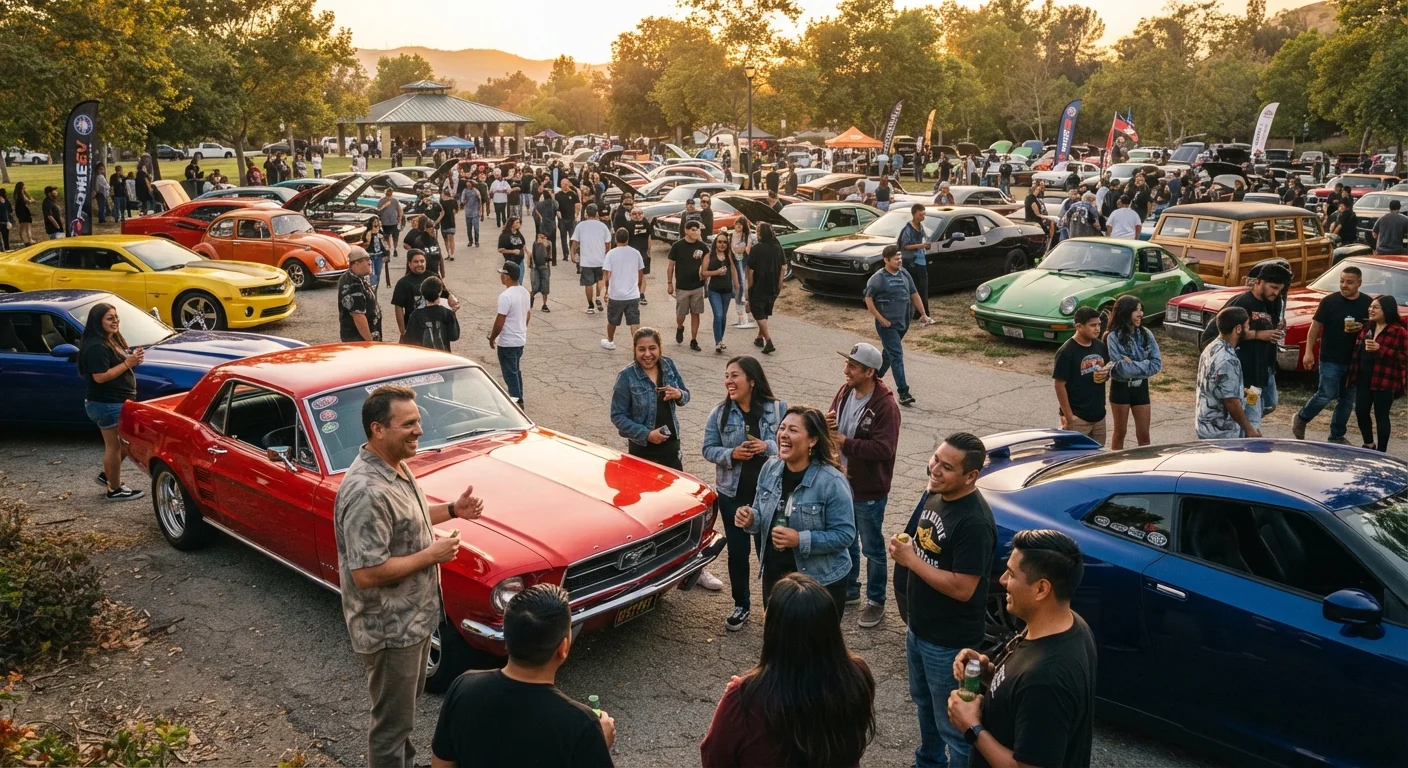
Photo credit: ResultsPivot.com | Discover Insightful Content!
Reckless, wasteful, out of touch — car enthusiasts get a bad rap. Here's what the stereotypes get wrong and what the culture actually looks like.
Key Takeaways
- Car enthusiasm spans all ages, genders, income levels, and backgrounds — the stereotype is outdated.
- Most enthusiasts are deeply safety-conscious, especially those who participate in organized track events.
- The hobby includes preservation, restoration, and community building — not just speed and noise.
- Environmental awareness is growing within car culture, including EV enthusiasm and responsible practices.
Where the Stereotypes Come From
Car enthusiasts have carried a reputation problem for decades. The caricature is familiar: a reckless young guy revving an obnoxiously loud engine, burning money on mods, and ignoring everyone around him. Like most caricatures, it contains a sliver of reality and a whole lot of distortion.
The loudest, most visible behavior tends to define a group in the public eye — that's true of almost every hobby or subculture. A small number of people doing something irresponsible at a stoplight gets more attention than a thousand enthusiasts spending a quiet Saturday morning detailing their cars or helping a newcomer diagnose an engine problem. If you've ever wondered what the culture actually looks like beneath the surface, our deep dive into what car culture really is is a good place to start.
Below, we take on the myths that keep circulating — and explain what the evidence and the community actually show.
Myth
Car enthusiasts are reckless drivers who have no regard for public safety.
Fact
The majority of enthusiasts are more safety-aware than the average driver, often pursuing track days and driver education specifically to improve their skills in a controlled environment.
Track events, autocross competitions, and performance driving schools are enormously popular within car culture precisely because they give enthusiasts a legal, structured outlet. Organizations like the Sports Car Club of America (SCCA) have been running sanctioned events with strict safety requirements for decades. The enthusiast who spends money on quality tires and brakes typically has a much clearer understanding of vehicle dynamics than someone who never thinks about their car at all.
Reckless public street behavior does happen and deserves criticism — but it represents a fraction of the community, not a defining trait of it.
Myth
You have to be wealthy to be a car enthusiast.
Fact
Car enthusiasm thrives at every budget level, from high-mileage project cars bought for a few hundred dollars to affordable weekend track builds.
Some of the most celebrated vehicles in enthusiast circles are inexpensive, high-mileage imports or domestic economy cars that owners have maintained, modified, and learned on over years. Community forums, swap meets, and shared garage spaces keep the hobby accessible. Many enthusiasts learn mechanical skills precisely because they can't afford to outsource every repair — and that hands-on knowledge becomes a point of pride.
High-dollar supercars exist in car culture, but they're far from the whole picture.
Myth
Car enthusiasts don't care about the environment.
Fact
Environmental attitudes vary widely within car culture, and a meaningful segment of enthusiasts actively embrace electric vehicles and sustainable practices.
Electric vehicle conversions have become a growing niche within the enthusiast community. Track-focused EV builds, electric classic car restorations, and hybrid performance platforms attract genuine interest from people who love driving dynamics but also care about emissions. Beyond EVs, many enthusiasts are meticulous about proper fluid disposal, emissions compliance, and keeping older vehicles running efficiently rather than sending them to landfill.
The conversation inside car culture around sustainability is more nuanced and active than the stereotype suggests.
Myth
Car enthusiasm is a young man's hobby.
Fact
The hobby spans all genders and age groups, with active communities ranging from teenagers in their first project cars to retirees restoring vehicles they've owned for fifty years.
Women have been central to motorsport and car culture from its earliest days — as racers, engineers, restorers, and organizers. Today, a growing number of women-led car clubs and online communities reflect a demographic shift that has been building for years. Meanwhile, older enthusiasts often bring the deepest historical knowledge and the most refined mechanical skills to the table.
The image of car culture as an exclusively young male space has always been incomplete. It just took a while for media coverage to catch up.
Myth
Modifying a car is just about making it louder and flashier.
Fact
Automotive modification covers a vast spectrum — from suspension tuning for better handling to engine rebuilds for reliability — most of which has nothing to do with aesthetics or noise.
Suspension geometry, brake upgrades, cooling system improvements, and weight reduction are all forms of modification that often make a car quieter, safer, and more reliable. Many enthusiasts pursue modifications that make their cars nearly invisible to casual observers while dramatically improving how the vehicle performs or holds up over time.
Loud exhausts and wide-body kits get the attention, but they represent one narrow corner of a much larger world of technical problem-solving and craftsmanship.
What the Culture Actually Looks Like
Spend time at a real car meet and the stereotypes start falling apart quickly. You'll find retired engineers, teachers, nurses, college students, and grandparents all talking shop over hoods and fenders. The community is far more welcoming than outsiders expect — which is something the unwritten rules of a car meet touches on directly.
70M+
Estimated U.S. automotive hobby participants
The Specialty Equipment Market Association (SEMA) has reported figures in this range when accounting for all segments of vehicle customization and enthusiast activity.
$51B+
Annual U.S. specialty automotive parts market
SEMA's industry data consistently places the U.S. specialty automotive parts and accessories market at over fifty billion dollars annually, reflecting the scale of enthusiast participation.
It's also worth noting how fragmented and diverse car culture genuinely is. Lowrider clubs, concours restoration communities, autocross competitors, and electric vehicle conversion hobbyists are all operating under the same broad umbrella. The many tribes of automotive enthusiasm illustrates just how different those worlds can be from one another.
Street Racing Is Never the Answer
One stereotype that does reflect a real problem: illegal street racing. This is dangerous, illegal, and condemned by the overwhelming majority of organized car culture. If you're interested in performance driving, sanctioned track days and autocross events exist in most parts of the country specifically to provide a legal, safe alternative. The enthusiast community broadly supports those channels and pushes back against street racing.
The myths persist partly because they're easier to repeat than to examine. But car enthusiasm — at its core — is about curiosity, craftsmanship, and connection. That's not a hard thing to appreciate once you look past the caricature.

Author
Automotive Editorial Team
Automotive Editorial Team is the collective byline for our editorial team and contributor network. Articles published under this byline or an editorial pen name are researched, written, and reviewed according to our editorial standards for clarity, consistency, and independence before publication.
View all articles →