
What Is Car Culture, Really?
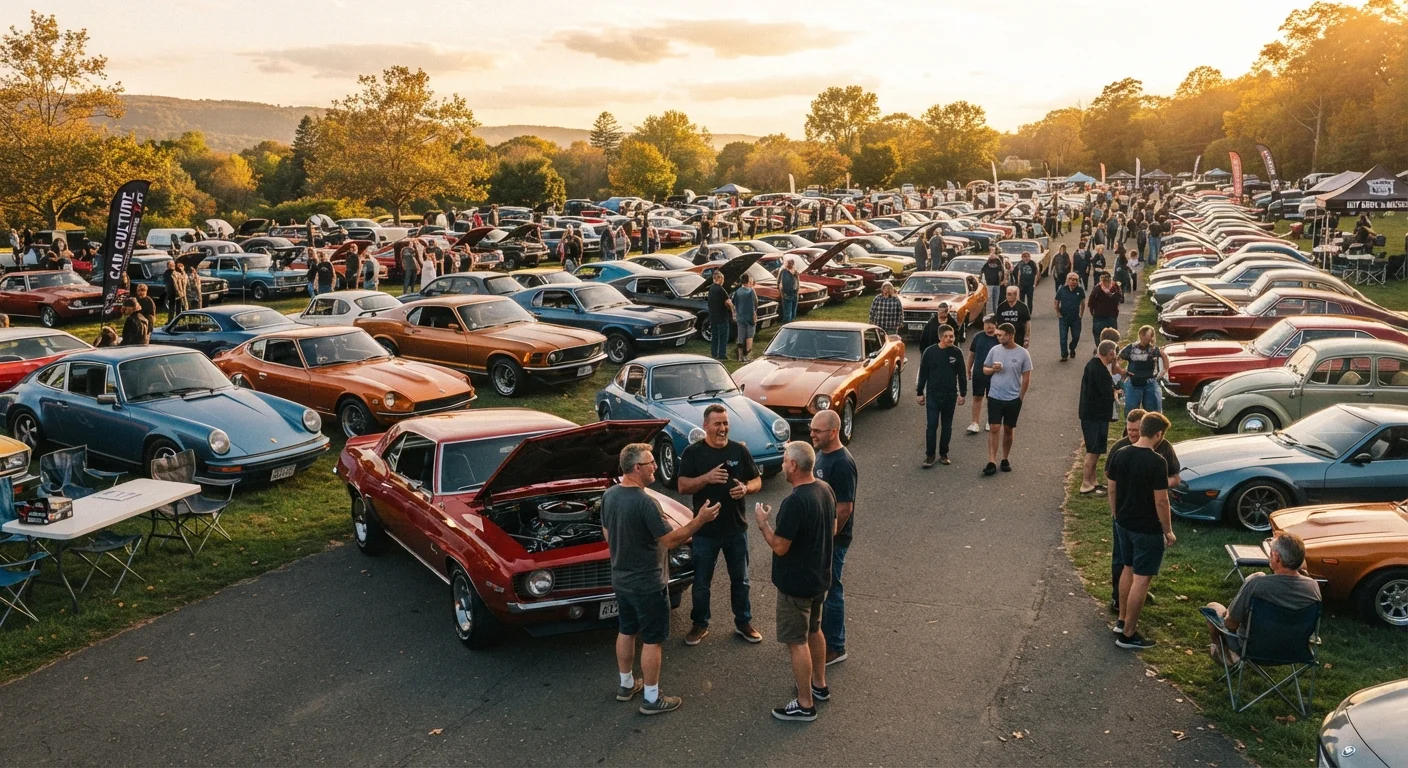
Photo credit: ResultsPivot.com | Discover Insightful Content!
In this article
Beyond horsepower and chrome, car culture is a global community of identity, tradition, and passion. Here's what drives it.
Key Takeaways
- Car culture is fundamentally about community and shared identity, not just vehicles.
- It encompasses many distinct subcultures, from lowriders to track enthusiasts to vintage restorers.
- Car meets, car shows, and online forums are the social infrastructure of the culture.
- Car enthusiasm spans income levels, generations, and geographic regions worldwide.
- The culture has real economic, artistic, and social dimensions beyond hobbyist interest.
More Than Machines
Ask ten car enthusiasts what car culture means to them, and you'll get ten different answers — but a common thread will run through all of them: it's about more than the vehicle. The cars are central, yes, but they're really a catalyst for something bigger: identity, creativity, friendship, and belonging.
At its core, car culture is a global community organized around a shared passion for automobiles and driving. It has its own language, its own aesthetics, its own heroes, and its own history. It produces art, music, fashion, and film. It generates billions in economic activity. And it gives millions of people a sense of purpose and belonging that's hard to replicate elsewhere.
That's a lot of weight for something that started as transportation.
278M+
Registered vehicles in the United States
According to the Federal Highway Administration, the U.S. has one of the highest rates of vehicle ownership per capita in the world.
Millions
Americans who attend car shows annually
Industry observers and event organizers estimate that car shows and automotive events draw millions of attendees across the U.S. each year, spanning local meets to major national events.
1940s–50s
Era when organized U.S. car culture emerged
Post-WWII prosperity and widespread vehicle access gave rise to hot rod clubs, drag racing, and the early foundations of today's enthusiast communities.
Where Car Culture Lives
Car culture isn't confined to any single space. You'll find it on a Saturday morning in an empty parking lot where two dozen people have shown up with their vehicles and a thermos of coffee. You'll find it in garages where someone is spending their weekend chasing a transmission leak. You'll find it in online forums where people debate the merits of different suspension setups long after midnight.
Car meets are perhaps the most visible social institution of the culture. They're informal gatherings where enthusiasts display their vehicles, swap stories, and connect with people who share the same obsession. If you've never been to one, understanding the etiquette and community expectations can make your first visit a lot more comfortable.
Beyond meets, car shows offer a more structured experience — judged competitions, trophies, and carefully curated displays. Track days bring the community to racing circuits for performance-focused events. And restoration shops, custom garages, and automotive museums serve as physical anchors for the culture in cities and towns across the country.
A Culture of Many Cultures
One of the most common misconceptions about car culture is that it's monolithic — a single, unified scene with a shared set of values and aesthetics. In reality, it's a collection of distinct communities, each with its own traditions, vehicles, and social codes.
Lowrider culture, rooted in Chicano communities in the American Southwest, has a visual language and historical significance entirely its own. Import tuning culture — which emerged from Japanese automotive traditions and took hold in the United States in the 1990s — values engineering ingenuity and performance modification. Classic car restoration is a meditative pursuit focused on preservation and historical accuracy. Track enthusiasts prioritize lap times and driving technique. Overlanders build vehicles for long-distance expedition travel.
These communities sometimes overlap, sometimes coexist peacefully, and occasionally clash. But all of them share the fundamental conviction that cars are worth caring about deeply. Exploring the distinct tribes within car culture reveals just how much diversity exists under this one umbrella.
“The automobile has not merely taken over the street, it has dissolved the living texture of the city. Its appetite for space is absolutely insatiable; moving and parked, it devours urban land.”
— Lewis Mumford, Urban historian and cultural critic, author of 'The City in History'
What Car Culture Gets Right
Car enthusiasts often get stereotyped as reckless, wasteful, or out of touch — and like most stereotypes, those characterizations miss the fuller picture. A closer look at those misconceptions shows a community that's far more nuanced than its critics suggest.
What car culture gets genuinely right is the way it builds intergenerational community. It's one of the few spaces where a teenager wrenching on a first project car and a retired machinist with fifty years of experience can work side by side and have equal things to teach each other. Knowledge is shared freely. Skills are passed down. And the car — whatever it is — becomes a shared language.
It also fosters a real relationship with craftsmanship. In an era of disposable consumer goods, car culture places genuine value on things that are built well, maintained carefully, and preserved over time. That's worth something.
Start Local to Find Your Scene
The easiest way to connect with car culture is to show up somewhere local — a weekend meet, a cruise night, or even a cars-and-coffee event at a nearby parking lot. Most of these gatherings are free and open to anyone. Bring curiosity, ask questions, and don't worry about what you drive. The community tends to be far more welcoming than outsiders expect.
Frequently Asked Questions

Author
Automotive Editorial Team
Automotive Editorial Team is the collective byline for our editorial team and contributor network. Articles published under this byline or an editorial pen name are researched, written, and reviewed according to our editorial standards for clarity, consistency, and independence before publication.
View all articles →