
Scenes Within the Scene: The Many Tribes of Automotive Enthusiasm
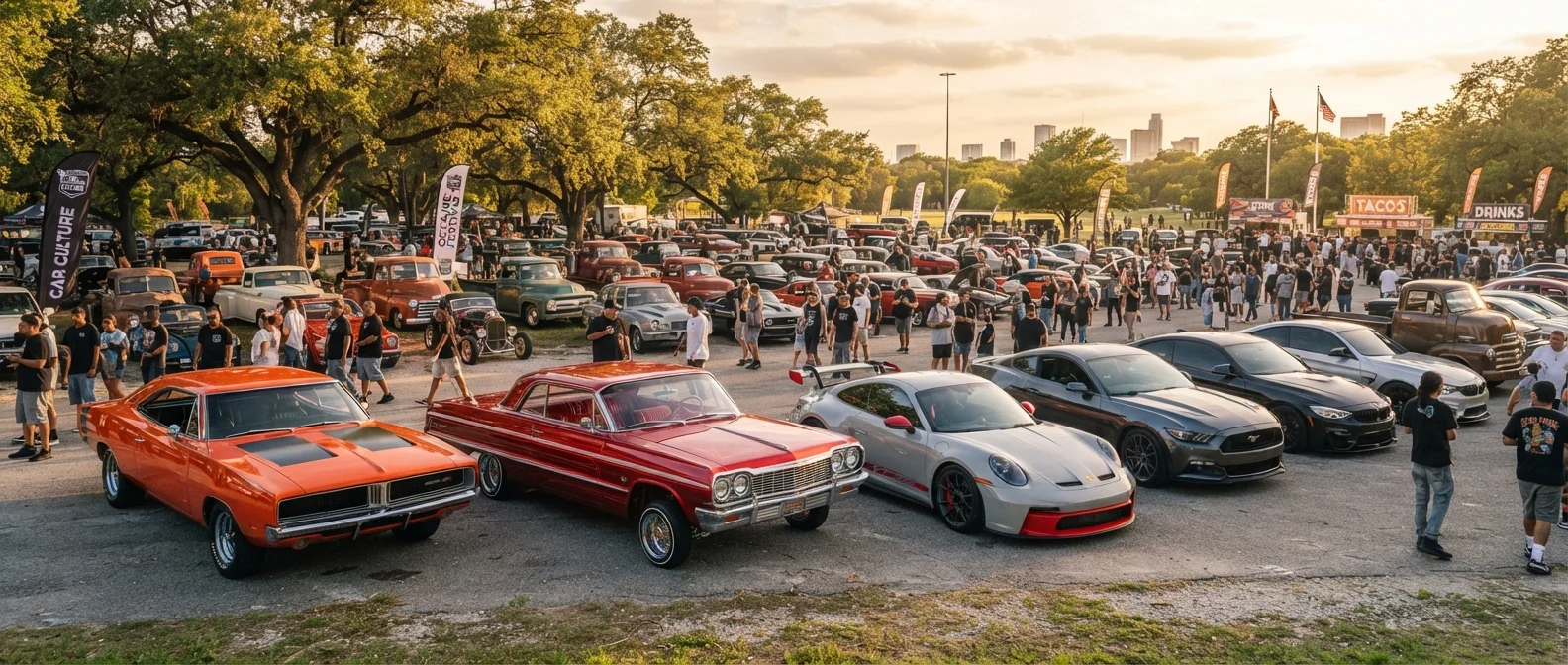
Photo credit: ResultsPivot.com | Discover Insightful Content!
In this article
From lowriders to track rats to barn-find restorers, car culture isn't one thing. Explore the distinct communities under its umbrella.
Key Takeaways
- Car culture encompasses many distinct subcultures, each with its own values, aesthetics, and community norms.
- From lowriders to track enthusiasts, these tribes often overlap and cross-pollinate more than outsiders expect.
- Understanding different automotive scenes helps newcomers find their place and connect with the right community.
- Each subculture reflects deeper interests — craftsmanship, speed, history, or social identity — beyond just the vehicles.
- Respect and curiosity go further than expertise when you're exploring an unfamiliar corner of car culture.
One Umbrella, Many Worlds
Ask ten car enthusiasts what "car culture" means and you'll get ten different answers — and all of them will be right. Car culture is a sprawling, living thing, held together less by a shared rulebook than by a shared obsession with vehicles in all their forms. But zoom in and you'll find that the umbrella shelters some very distinct communities, each with its own vocabulary, rituals, and unspoken codes.
Whether you're a curious newcomer or a seasoned gearhead who's only ever lived in one lane, understanding the wider landscape is genuinely worthwhile. These scenes inform each other, and knowing who's who makes every car meet, show, or track day richer. The stereotypes about car people tend to flatten what is actually a remarkably diverse world.
The Restorers and Barn-Find Hunters
For this tribe, the thrill is in resurrection. They haunt estate sales, scour overgrown fields, and spend years tracking down the right chrome trim piece for a 1967 muscle car. Authenticity is the north star — a correct, numbers-matching restoration carries far more prestige than a flashy repaint that doesn't honor the original build sheet.
These enthusiasts often have deep knowledge of specific makes, model years, and factory options. Their community overlaps heavily with automotive historians and collectors, and their events — concours d'elegance shows in particular — tend to prioritize accuracy and provenance over raw performance.
For restorers, authenticity is everything — a correct restoration outranks a flashy repaint every time.
The Track Rats
Track enthusiasts organize their automotive lives around lap times and corner speeds. Their cars are often stripped of creature comforts, fitted with roll cages, and tuned relentlessly for performance. This community places a strong premium on driver skill — the car is a tool, and mastering it is the point.
Track days — organized events where private individuals can drive on a closed circuit — are the lifeblood of this scene. The community is generally welcoming of newcomers and is often more safety-conscious than outsiders assume, precisely because everyone there understands the stakes of getting it wrong at speed.
Track rats treat the car as a tool — mastering it through skill and discipline is the whole point.
Lowrider Culture
Rooted in Chicano communities in the American Southwest during the mid-20th century, lowrider culture is one of the most artistically rich corners of the automotive world. Custom paint, intricate pinstriping, hydraulic suspension systems, and meticulously upholstered interiors are all hallmarks of the craft.
Lowriding is as much about cultural expression and community identity as it is about the vehicles themselves. Clubs play a central role, and the tradition of cruising — driving slowly to be seen — is a deliberate act of pride and visibility with deep social meaning. This scene has influenced music, fashion, and visual art far beyond the car world.
Lowrider culture is as much about identity and community pride as it is about the vehicles themselves.
The JDM and Import Scene
Japanese domestic market (JDM) culture took hold in the US during the 1990s and never really let go. Built around Japanese-made vehicles — often turbocharged four-cylinders — this scene values performance tuning, aftermarket modification, and a very specific visual aesthetic that evolved in parallel with Japanese street racing culture.
The community is generally young, tech-savvy, and deeply engaged with online forums and social media. There's also enormous overlap with motorsport subgenres like time attack and drifting. Enthusiasts in this scene often build their own mechanical knowledge hands-on, which gives the community a strong DIY ethic.
The JDM scene blends performance tuning with a strong DIY ethic and a globally connected community.
Off-Road and Overlanding Crews
Where some enthusiasts point their cars toward a racetrack, this tribe points theirs toward the wilderness. Off-roaders and overlanders modify trucks and SUVs for travel across terrain that would stop most vehicles cold — think lifted suspensions, locking differentials, and roof-top tents.
Overlanding in particular has grown significantly in recent years, attracting people who want adventure travel with vehicle-centric self-sufficiency. The community values preparedness, environmental responsibility, and the kind of camaraderie that comes from sharing a remote campsite. It's a scene where the journey genuinely matters more than the destination.
Overlanders prize self-sufficiency and adventure — for them, the journey matters more than the destination.
The Show-and-Shine Crowd
Not everyone wants their car to go fast or get dirty. The show-and-shine community is built around presentation: flawless paint, spotless engine bays, color-matched interiors, and wheels polished to mirror brightness. These owners invest enormous time and money into their vehicles' appearance, and competition at sanctioned shows can be fierce.
This scene often overlaps with restoration culture but isn't limited to classic cars. Late-model customs, lifted trucks with elaborate lighting rigs, and even daily drivers built around a coherent aesthetic all find a home here. The social dimension — the ritual of walking a show field, admiring builds, and talking shop — is as important as the competition itself.
Show-and-shine culture is as much about the ritual of admiring builds together as any trophy on the line.
Finding Your Corner of the Culture
The beauty of automotive enthusiasm is that there's genuine room for all of it. A barn-find restorer and a drift competitor might not have much to say to each other at first glance, but they share a fluency in the same language — the language of caring deeply about machines.
Start by Observing, Not Performing
When you're new to any automotive scene, the most respected thing you can do is show genuine curiosity without trying to prove yourself. Ask questions, admire builds, and let conversations develop naturally. Most enthusiasts are happy to talk about their cars at length — you just have to give them the opening.
If you're just getting started, the best move is to show up and listen before you talk. Every scene has its own etiquette, and a little humility goes a long way. And if you're ready to watch cars in motion rather than just parked in a field, the difference between track days and street driving is worth understanding before you commit. For those ready to attend their first organized event, a grounded guide to your first car show can help set realistic expectations.
These Scenes Aren't Silos
Real enthusiasts often move across multiple subcultures — a restorer might attend track days, a JDM tuner might start overlanding on weekends. The boundaries between scenes are porous, and that cross-pollination is part of what keeps car culture dynamic. Don't feel like you have to pick just one lane.

Author
Automotive Editorial Team
Automotive Editorial Team is the collective byline for our editorial team and contributor network. Articles published under this byline or an editorial pen name are researched, written, and reviewed according to our editorial standards for clarity, consistency, and independence before publication.
View all articles →