
The Slow Travel Mindset: Why More Travelers Are Choosing Depth Over Distance
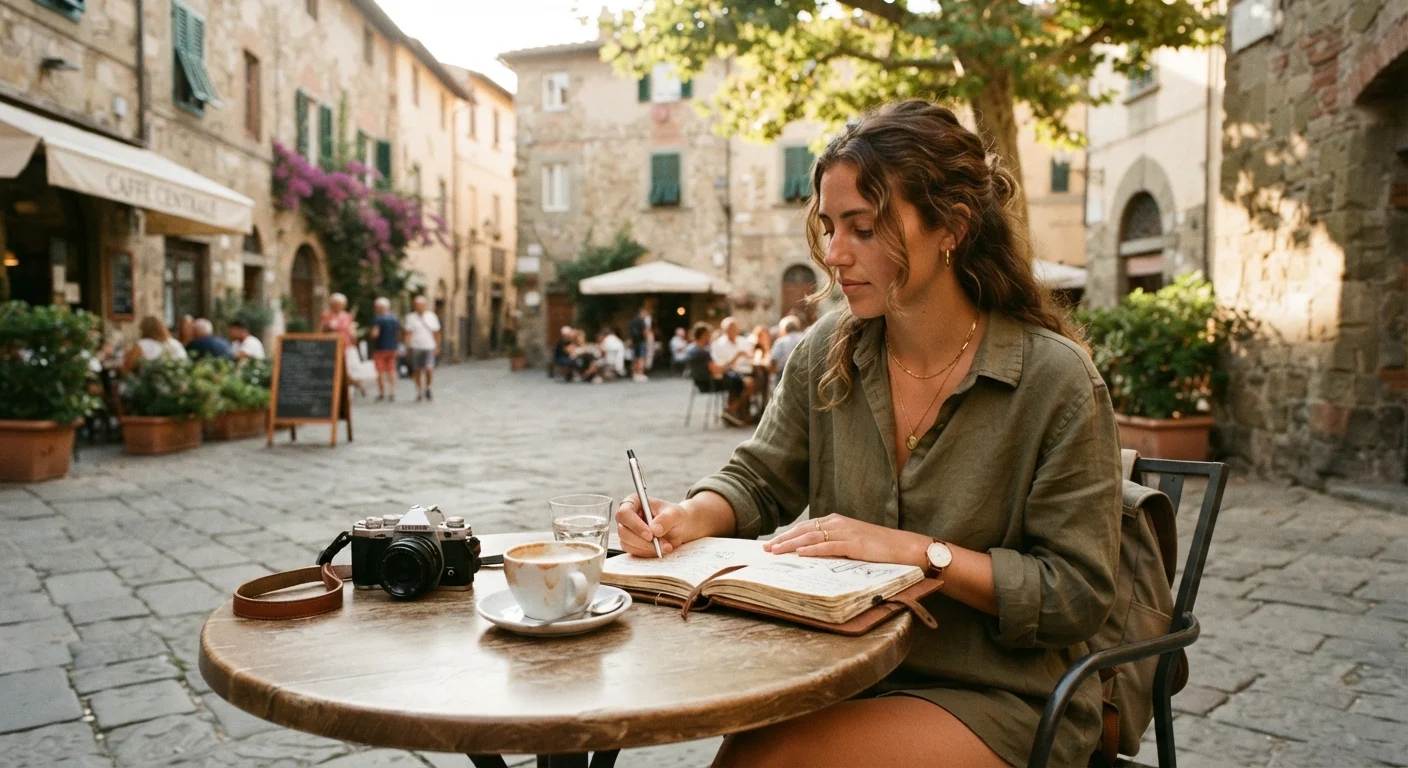
Photo credit: ResultsPivot.com | Discover Insightful Content!
In this article
Slow travel is reshaping how people explore the world. Learn what it means, why it's growing, and how it changes the way you experience a place.
Key Takeaways
- Slow travel means staying longer in fewer places rather than rushing between many destinations.
- The mindset prioritizes genuine cultural immersion over sightseeing checklists.
- Slow travelers often rent apartments, shop locally, and build temporary routines.
- The approach can reduce travel fatigue and lower the environmental footprint of a trip.
- Slow travel is adaptable — even a long weekend can embrace its principles.
Where the Slow Travel Idea Comes From
The term "slow travel" borrows from the wider slow movement that gained traction in the late 20th century, most visibly through the slow food movement that pushed back against fast food culture. Applied to travel, the idea is simple: the faster you move, the less you actually absorb. Rather than collecting passport stamps at speed, slow travel asks what it would feel like to inhabit a place, even briefly.
It's a direct counterpoint to the whirlwind itinerary — eight countries in twelve days, three hours at each landmark — that characterizes a certain kind of tourism. That approach has its pleasures, but it also leaves many travelers feeling oddly hollow, like they've seen the highlight reel without watching the film. The slow travel movement explores this tension in depth, tracing why so many people are now opting for fewer pins on the map.
Slow Travel Isn't Anti-Tourism
Choosing to slow down doesn't mean rejecting popular destinations or famous sights. Many slow travelers visit well-known places — they simply spend more time there, moving between tourist moments and ordinary local life. The philosophy is about pacing and intention, not exclusivity.
What the Mindset Actually Looks Like in Practice
Slow travel isn't defined by a specific pace — it's defined by intention. A slow traveler in Lisbon might rent an apartment in a residential neighborhood, buy groceries at the local mercado, and spend a week learning the metro system rather than hopping between highlights on a tour bus. The goal is to build familiarity — to notice things that only reveal themselves over repeated visits to the same street corner.
Practically, this often means:
- Choosing one or two destinations per trip instead of a multi-city circuit
- Staying in locally owned rentals or guesthouses rather than hotel chains near tourist centers
- Eating where residents eat, not where visitors are directed
- Leaving room in the schedule for unplanned wandering and rest
Reading a destination's geography, climate, and culture before you arrive is a natural companion habit — the more context you carry, the richer even a slow afternoon becomes.
Start Small: Try One Slow Day Per Trip
You don't have to overhaul your entire travel style to experiment with slow travel. On your next trip, designate one full day with no planned attractions — just wander, sit in a park, follow your curiosity. Many travelers find that day becomes their most vivid memory of the whole trip.
Why Travelers Are Drawn to It
A convergence of factors is pulling more travelers toward this approach. Post-pandemic, many people reassessed the frantic pacing they'd once taken for granted. There's also growing awareness of travel fatigue — that specific exhaustion that comes from too many early flights, too many check-ins, too many hours spent in transit rather than actually somewhere. Understanding what makes travel days so draining helps explain why slowing down isn't just appealing — it's often genuinely restorative.
Environmental considerations play a role too. Fewer flights per trip means a lower carbon footprint, which matters to an increasing number of travelers. And there's a psychological dimension: slow travel tends to produce more vivid, lasting memories. Neuroscience research on memory formation generally supports the idea that novelty and emotional engagement — both common in unhurried exploration — help experiences stick.
70%
Travelers preferring experience over sightseeing
A 2023 Booking.com travel trends survey found roughly 70% of respondents wanted their next trip to focus on meaningful experiences rather than ticking off landmarks.
2–4x
Longer average stay vs. traditional tourism
Slow travelers typically stay two to four times longer in a single destination compared to conventional tourists following multi-stop itineraries, based on travel behavior research.
For those who travel frequently, the lifestyle shifts run deep. Frequent travel quietly rewires everyday habits, and slow travel may accelerate that rewiring by encouraging real immersion rather than surface-level exposure.
Adapting the Mindset to Your Own Travel Style
One of slow travel's most appealing qualities is its flexibility. You don't need a year-long sabbatical to practice it. A solo traveler spending five days in one city neighborhood, deliberately skipping the official top-ten list, is slow traveling. So is a family that rents a farmhouse for a week and explores the surrounding countryside rather than checking off regional capitals.
It pairs naturally with other thoughtful approaches to travel. Building flexible daily routines during extended travel shows how structure and spontaneity can coexist on longer trips — a balance slow travelers often navigate especially well. And while the style is distinct from group tours, it's not inherently solitary; how solo versus group travel shapes your perspective is worth considering as you decide how to structure your own approach.
Ultimately, slow travel is less a rigid method than a shift in priorities. It asks: what if the point of the trip wasn't to see the most things, but to actually be somewhere?
“Traveling is a brutality. It forces you to trust strangers and to lose sight of all that familiar comfort of home and friends. You are constantly off balance. Nothing is yours except the essential things: air, sleep, dreams, sea, the sky — all things tending towards the eternal or what we imagine of it.”
— Cesare Pavese, Italian novelist and poet
Frequently Asked Questions

Author
Travel Editorial Team
Travel Editorial Team is the collective byline for our editorial team and contributor network. Articles published under this byline or an editorial pen name are researched, written, and reviewed according to our editorial standards for clarity, consistency, and independence before publication.
View all articles →