
Fast Casual vs. Fine Dining: How America Chooses Where to Eat Out
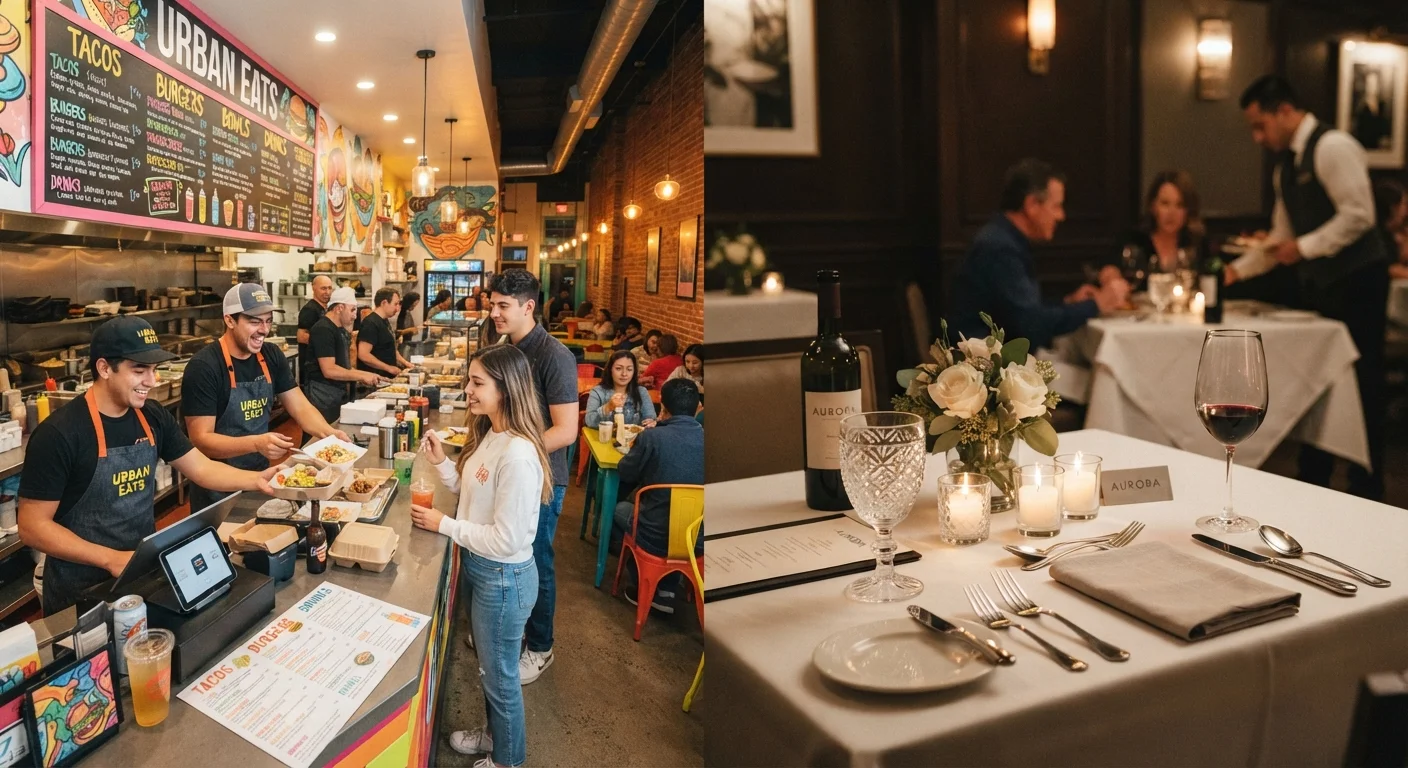
Photo credit: ResultsPivot.com | Discover Insightful Content!
In this article
Fast casual restaurants are booming while formal dining evolves. A look at what each experience offers and how American tastes are shifting between them.
Key Takeaways
- Fast casual is the fastest-growing restaurant segment in the US by traffic and revenue.
- Fine dining has responded to changing tastes by relaxing dress codes and embracing casual-cool aesthetics.
- Value, speed, and food quality are the top three factors driving American restaurant choices.
- The line between these two categories is blurring, with "elevated casual" formats gaining momentum.
- Occasion and social context — not just budget — largely determine which format Americans choose.
The State of American Dining Right Now
American eating habits have always reflected the country's mood — and right now, that mood is complicated. Diners want quality, but they also want convenience. They crave experience, but they're watching their budgets. The tug-of-war between fast casual and fine dining captures all of that tension in sharp relief.
Fast casual — think counter-service restaurants that prioritize fresh ingredients, visible preparation, and faster turnover — has emerged as the dominant force in US foodservice growth. Meanwhile, fine dining hasn't disappeared; it's adapted, shedding white-glove stiffness in favor of something warmer and more personal. The result is a dining landscape where both formats are evolving toward each other, even as they remain fundamentally different experiences. For a deeper look at how food and place intersect across the country, see our exploration of regional dining rituals.
~$67B
US fast casual market size (mid-2020s estimates)
Industry analysts tracking the US foodservice sector have placed fast casual among the fastest-growing restaurant segments by revenue and customer visits.
60%+
Americans prioritizing food quality when eating out
National Restaurant Association consumer surveys consistently identify food quality as the leading factor in Americans' restaurant choices, ahead of price.
2–3x
Fine dining ticket growth vs. fast casual per visit
Average check sizes in fine dining typically run two to three times higher per person than elevated fast casual, reflecting the gap in service, setting, and ingredient investment.
How They Compare: Speed, Price, and Experience
The most obvious difference between fast casual and fine dining is pace. A fast casual visit typically runs 15–25 minutes from order to finish. A fine dining experience is designed to last — often two hours or more — with each course timed deliberately to create a sense of occasion.
Price is just as telling. Fast casual meals in the US generally range from roughly $10 to $20 per person, while fine dining typically starts around $75 per person and can climb well above $200 for tasting menus. But price alone doesn't explain the choice. Research consistently shows that perceived value — whether diners feel the experience matched the cost — matters more than sticker price in driving satisfaction and repeat visits.
| Criterion | Fast Casual | Fine Dining |
|---|---|---|
| Average meal duration | 15–25 minutes | 90 minutes to 3+ hours |
| Typical price per person | $10–$20 | $75–$200+ |
| Service style | Counter-service, self-directed | Full table service, guided |
| Menu customization | High — build-your-own common | Low to moderate — set or curated menus |
| Occasion fit | Everyday meals, quick lunches | Celebrations, special events |
| Atmosphere | Casual, energetic, often loud | Quiet, curated, immersive |
| Reservation required | Rarely | Almost always |
Service is where the two formats diverge most philosophically. Fast casual puts the diner in control: you order at a counter, assemble your preferences, and move at your own pace. Fine dining inverts that — trained servers guide the experience, anticipating needs before they're voiced. Neither is superior; they're just answering different questions about what a meal is for.
Why Fast Casual Keeps Winning Traffic
Fast casual's rise isn't just about speed — it's about a perception shift. A generation of Americans grew up watching celebrity chefs on television and now expects culinary intentionality even in everyday meals. Fast casual concepts answered that expectation by sourcing local ingredients, offering global flavor profiles, and making the kitchen visible. The format essentially democratized food quality.
The segment has also proven resilient. During periods of economic uncertainty, fast casual tends to capture diners trading down from full-service restaurants rather than defaulting to traditional fast food. It occupies a sweet spot that's hard to displace. Curious how chef-driven creativity is also reshaping the physical restaurant space? Open kitchens and chef's counters are part of the same broader movement.
The Ghost Kitchen Variable
Neither fast casual nor fine dining fully accounts for the delivery-only ghost kitchen model, which is pulling food traffic in yet another direction. Ghost kitchens operate without storefronts, serving customers entirely through delivery apps. They're worth understanding as a third force reshaping where — and how — Americans access restaurant-quality food. Learn more about the ghost kitchen economy.
Fine Dining's Evolution — and Its Staying Power
Reports of fine dining's death have been exaggerated before, and they still are. What's actually happening is a recalibration. Many high-end restaurants have dropped rigid dress codes, redesigned interiors to feel warmer and less intimidating, and restructured menus around sharing rather than sequential courses. The goal is the same — a transportive meal — but the approach is more inclusive.
There's also a cultural factor at play. Dining at a top-tier restaurant has become a form of experiential spending, often prioritized over material purchases, particularly among younger high-earners. Occasions that once called for a nice suit now call for a reservation somewhere genuinely remarkable. The rise of solo dining is even nudging fine dining toward single-seat chef's counter formats, making the experience more accessible to individuals dining alone. For broader context on shifting tastes, explore what's happening across American food trends right now.
The Blurring Middle — and What It Means
Perhaps the most interesting story isn't the competition between these two formats, but the emergence of a middle ground. "Elevated casual" restaurants — which combine counter-service efficiency with genuinely ambitious cooking — are quietly redefining expectations. Some offer natural wine lists. Others rotate seasonal menus weekly. A few are helmed by chefs with fine dining pedigrees who deliberately chose a more accessible format.
At the same time, fine dining is borrowing fast casual's transparency: open kitchens, chef's tables, and interactive tasting experiences all echo counter-service's premise that seeing the work adds value. The formats are converging, even as their core promises — fast, affordable flexibility versus slow, considered luxury — stay distinct. The conversation about where Americans eat is really a conversation about what Americans value, and right now, the answer seems to be: both, depending on the night. For a look at how dining formats are quietly reshaping restaurant culture more broadly, communal table dining offers another fascinating angle on how Americans are choosing to connect over food.

Author
Food & Drink Editorial Team
Food & Drink Editorial Team is the collective byline for our editorial team and contributor network. Articles published under this byline or an editorial pen name are researched, written, and reviewed according to our editorial standards for clarity, consistency, and independence before publication.
View all articles →