
Solo Dining in America: Stigma, Shift, and a Table for One
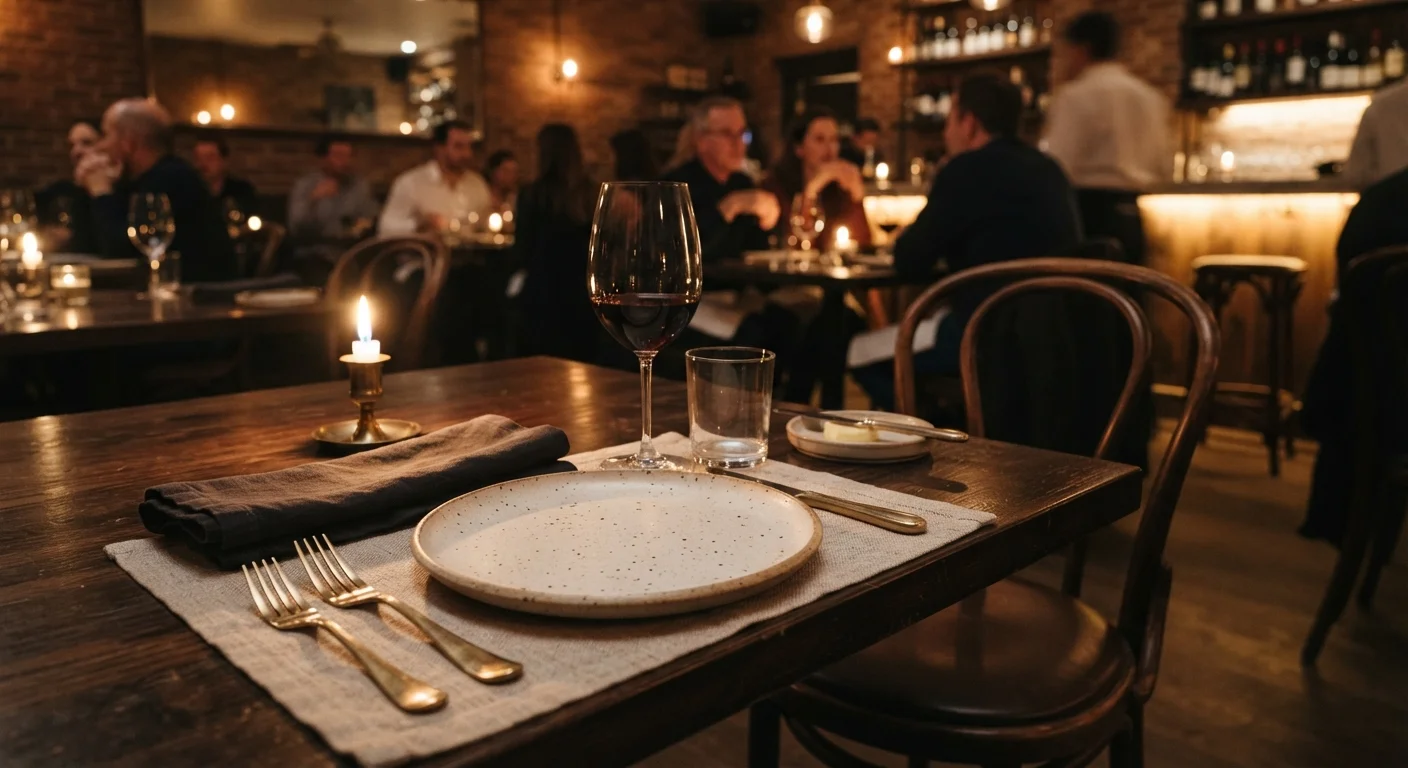
Photo credit: ResultsPivot.com | Discover Insightful Content!
In this article
Eating alone at a restaurant was once awkward — now it's on the rise. Explore what's driving solo dining culture and how restaurants are adapting to welcome it.
Key Takeaways
- Solo dining in the US has grown steadily, driven by single-person households and shifting attitudes toward independence.
- Many restaurants are redesigning spaces — bar seats, counter dining, chef's tables — to better accommodate lone diners.
- Eating alone offers real advantages: full menu control, a quieter pace, and a chance to be more present with the food.
- Some challenges remain, including portion sizing, social perception, and the occasional awkward host interaction.
- The stigma around solo dining is fading, particularly among younger and urban Americans.
Total menu freedom — order exactly what you want
No negotiating over shared appetizers or compromising on cuisine type. Solo dining means the entire menu is yours to navigate on your own terms.
Deeper focus on the food itself
Without the pull of conversation, many solo diners report heightened awareness of flavors, presentation, and the overall craft of a meal.
Flexible pacing — eat on your schedule
You can linger over a dish or move quickly through a meal without factoring in someone else's rhythm. The experience is entirely self-directed.
Low-pressure environment for trying new places
Solo dining makes it easier to be spontaneous — dropping into a new spot on a whim, without coordinating availability with others.
Opportunity for genuine interaction with staff
Many solo diners find that servers and bartenders engage more directly with them, leading to menu recommendations and conversations that group dining rarely allows.
Portion sizes rarely account for one person
American restaurant portions are typically designed for two to share or to leave leftovers — a structural mismatch that can make solo ordering feel wasteful or expensive.
Social perception hasn't fully shifted everywhere
While attitudes are changing in urban areas, some diners still encounter pitying looks or hosts who noticeably seat solo guests in less desirable spots.
Some dining formats simply exclude singles
Tasting menus, family-style service, and multi-course prix fixe experiences are built around group dynamics and can feel awkward or inaccessible for a lone diner.
Higher relative cost per person for comparable experience
Without anyone to split bottles of wine, multi-course meals, or shared dishes, the per-person cost of an ambitious restaurant meal rises considerably when dining alone.
The Table for One Gets a Second Look
Not long ago, asking for a table for one at a nice restaurant could feel like an admission of something — loneliness, perhaps, or social failure. The host's sympathetic tilt of the head, the oversized booth you were awkwardly installed in, the way servers kept checking if you were sure no one was joining you. For many Americans, dining alone carried a quiet stigma.
That's changing. According to data from the U.S. Census Bureau, single-person households now make up roughly 29% of all American households — the largest share in recorded history. Add to that a cultural shift toward valuing solo time and personal autonomy, and it's no surprise that restaurants are starting to pay closer attention to the lone diner.
Bar seats, chef's counters, and open kitchens have become physical expressions of this shift — formats that don't just tolerate solo diners but are practically designed for them. The restaurant industry, long built around parties of two or more, is quietly reconfiguring itself.
~29%
Share of US households with one person
U.S. Census Bureau data shows single-person households represent the largest share in American recorded history.
1 in 5
Restaurant visits made by solo diners
Industry observers and restaurant analysts have noted that solo visits account for a meaningful and growing share of total US restaurant traffic.
Why More Americans Are Eating Alone
The reasons behind the solo dining surge are layered. More Americans live alone than ever before, and remote work has decoupled lunch from office social dynamics. Travel — both business and leisure — generates millions of solo restaurant visits each year. And a growing appetite for intentional solitude, documented in social psychology research under terms like "constructive solitude," has made eating alone feel less like a gap and more like a choice.
Younger diners, particularly millennials and Gen Z, tend to report lower discomfort with solo dining than older generations. Food-focused social media has also played a role: when documenting a meal is part of the experience, the presence of a dining companion becomes less central to the event itself.
Solo Dining Isn't the Same as Lonely Dining
Researchers who study solitude distinguish between loneliness (unwanted social isolation) and chosen solitude (intentional time alone). Solo dining, when self-selected, generally falls into the latter category and has been associated in some studies with feelings of autonomy and self-care rather than social deficit. The experience is shaped considerably by mindset — and by how welcoming the restaurant environment is.
The communal table trend offers an interesting counterpoint — some solo diners actively seek out shared seating to combine independence with ambient social connection, without the commitment of a planned group meal.
The Genuine Upsides of Dining Alone
There's a strong case to be made for the solo restaurant experience — and it goes well beyond the convenience argument.
Total menu freedom — order exactly what you want
No negotiating over shared appetizers or compromising on cuisine type. Solo dining means the entire menu is yours to navigate on your own terms.
Deeper focus on the food itself
Without the pull of conversation, many solo diners report heightened awareness of flavors, presentation, and the overall craft of a meal.
Flexible pacing — eat on your schedule
You can linger over a dish or move quickly through a meal without factoring in someone else's rhythm. The experience is entirely self-directed.
Low-pressure environment for trying new places
Solo dining makes it easier to be spontaneous — dropping into a new spot on a whim, without coordinating availability with others.
Opportunity for genuine interaction with staff
Many solo diners find that servers and bartenders engage more directly with them, leading to menu recommendations and conversations that group dining rarely allows.
Perhaps the most underrated benefit is attentiveness to the food itself. Without the distraction of conversation, solo diners often report noticing more — the texture of a sauce, the balance of a dish, the way a wine shifts through a meal. For anyone genuinely interested in food culture, that focus can be a revelation. Food trends are easier to track when you're paying full attention to what's on the plate.
The Real Challenges That Remain
Solo dining isn't without its friction points, and it's worth being honest about them rather than pretending the experience is always seamless.
Portion sizes rarely account for one person
American restaurant portions are typically designed for two to share or to leave leftovers — a structural mismatch that can make solo ordering feel wasteful or expensive.
Social perception hasn't fully shifted everywhere
While attitudes are changing in urban areas, some diners still encounter pitying looks or hosts who noticeably seat solo guests in less desirable spots.
Some dining formats simply exclude singles
Tasting menus, family-style service, and multi-course prix fixe experiences are built around group dynamics and can feel awkward or inaccessible for a lone diner.
Higher relative cost per person for comparable experience
Without anyone to split bottles of wine, multi-course meals, or shared dishes, the per-person cost of an ambitious restaurant meal rises considerably when dining alone.
Restaurant economics also quietly work against the lone diner. Tasting menus, prix fixe formats, and family-style service structures are all built around groups. Fast casual settings tend to be more naturally accommodating, while fine dining still occasionally treats solo diners as edge cases rather than valued guests.
How Restaurants Are Adapting
Forward-thinking restaurants are actively redesigning for the solo experience. Bar counters facing open kitchens give lone diners a focal point and often a chance for natural conversation with kitchen staff. Some establishments now offer single-portion tasting experiences or half-pour wine options — practical adjustments that signal genuine welcome rather than grudging tolerance.
Technology is playing a supporting role too. QR-code menus and pay-at-table systems remove some of the social friction points that lone diners disproportionately feel, like flagging down a server while clearly sitting alone. Reservation platforms have begun allowing single-seat bookings at bar or counter spots that don't require a phone call or an explanation.
The broader dining culture conversation — including debates around tipping norms and service expectations — also touches solo diners in specific ways, since a solo table often generates a smaller check but requires similar server time.

Author
Food & Drink Editorial Team
Food & Drink Editorial Team is the collective byline for our editorial team and contributor network. Articles published under this byline or an editorial pen name are researched, written, and reviewed according to our editorial standards for clarity, consistency, and independence before publication.
View all articles →