
The Social Life of the American Brunch
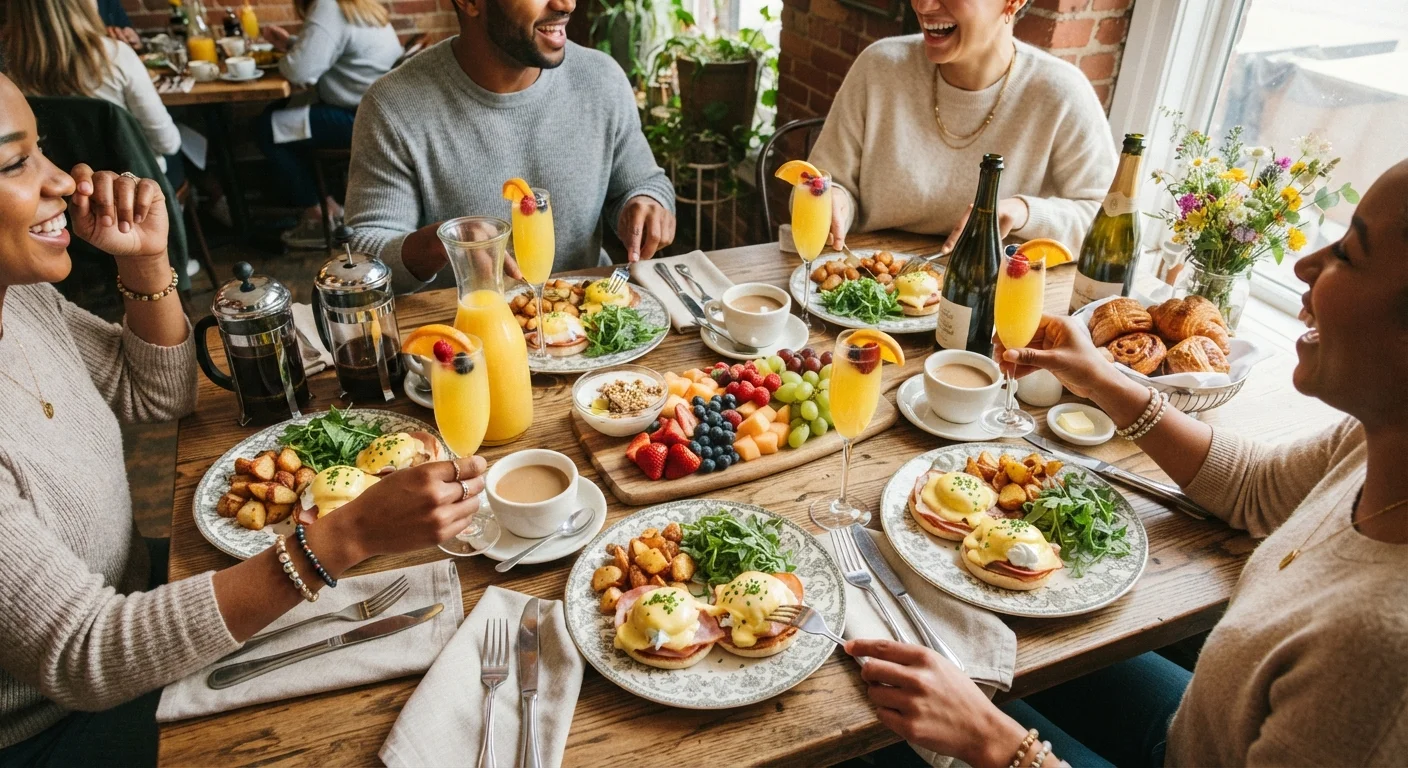
Photo credit: ResultsPivot.com | Discover Insightful Content!
In this article
Brunch is more than eggs and mimosas — it's a social institution. Explore how it became a defining weekend ritual in American dining culture.
Key Takeaways
- Brunch originated in late 19th-century Britain before becoming a distinctly American weekend institution.
- Its rise reflects broader shifts in how Americans socialize, rest, and treat weekend time.
- Brunch menus increasingly reflect regional identity and multicultural culinary influences.
- The meal functions as much as a social event as a dining occasion — community is the main course.
- Brunch culture continues to evolve alongside changing work patterns and dining expectations.
Where Brunch Came From
The word "brunch" first appeared in print in an 1895 British magazine column suggesting that the meal offered a boozy, leisurely alternative to a heavy Sunday breakfast. It crossed the Atlantic slowly, landing among the American upper class in the early 20th century before gradually filtering outward through hotel dining rooms and urban restaurants.
The real turning point came in the 1930s, when restaurants — particularly in cities like New York and Chicago — began marketing extended morning menus to weekend crowds. By the post-WWII era, brunch had shed most of its elite associations and found a broader audience drawn to its relaxed format and forgiving hours.
~$30B
US brunch market estimated value
Industry analysts tracking food service trends have estimated the American brunch market at roughly $30 billion, reflecting its enormous footprint in weekend restaurant traffic.
2–3 hrs
Average brunch dining duration
Hospitality research consistently finds brunch diners linger significantly longer than lunch or dinner guests, averaging two to three hours per table visit.
72%
Americans who brunch with a group
Consumer surveys on dining habits suggest the vast majority of brunch occasions involve two or more people, underscoring its fundamentally social character.
Why Brunch Became a Social Ritual
Brunch occupies a unique psychological slot in the American week. It's the meal with no agenda — no school run, no work call, no clock to beat. That structural looseness makes it a natural container for socialization. You're not squeezing a friend in over a quick lunch; you're making real time.
Researchers who study social connection often point to the importance of shared, unhurried meals in building and sustaining relationships. Brunch delivers exactly that. The two-to-three-hour table hold, the second round of coffee, the leisurely debate over a menu — these aren't inefficiencies, they're the point.
If you want to deepen a friendship or reconnect with family, proposing brunch rather than dinner removes a lot of social pressure — the daytime setting and flexible timing lower the stakes considerably.
Social scientists who study relationship maintenance note that low-pressure, enjoyable shared activities are among the most effective ways to sustain close bonds.
Restaurants serious about brunch service keep their menus shorter on weekend mornings — a tightly edited menu usually signals a kitchen that's executing well under high weekend volume.
Culinary operations experts consistently point out that menu size inversely correlates with execution quality during high-traffic service periods.
This contrasts interestingly with the growing solo dining movement. As our piece on solo dining in America explores, more Americans are comfortable eating alone at dinner or lunch — but brunch remains stubbornly group-oriented. It's one of the few meals where showing up alone still feels like it's missing something.
The Brunch Menu as Cultural Mirror
Ask someone to name a brunch dish and they'll likely say eggs Benedict, avocado toast, or a mimosa. But zoom out across the country and the picture diversifies rapidly. In Houston, brunch tables might feature migas or breakfast tacos. In New Orleans, you'll find pain perdu and bananas Foster alongside Bloody Marys. In Los Angeles, Korean-influenced egg dishes appear beside açaí bowls.
This regional variety is part of what makes brunch such a rich lens on American food identity. Much like the regional dining rituals that define American food identity, brunch menus encode local history, immigration patterns, and ingredient availability. The meal format stays constant; the ingredients tell the local story.
Brunch Menus Can Mislead on Authenticity
As multicultural dishes migrate onto mainstream brunch menus, quality and authenticity can vary dramatically. A "Korean-inspired" dish at a trendy spot may bear little resemblance to its source. Seeking out restaurants rooted in the culture they're drawing from tends to produce a more genuine — and often more delicious — experience.
Beverages are another axis of evolution. The mimosa remains an icon, but it now shares the table with espresso martinis, non-alcoholic sparkling options, and inventive house cocktails. For more on how drinks become cultural touchstones, see why espresso martinis took over America's bar scene.
Brunch, Identity, and Community
Brunch has long carried social meaning beyond the plate. For LGBTQ+ communities in American cities, weekend brunch became a cornerstone gathering ritual from at least the 1970s onward — a space for community, visibility, and celebration before broader social acceptance arrived. Black brunch culture similarly carries deep roots in Southern Sunday traditions blending church fellowship with elaborate afternoon meals.
These communal dimensions align with a broader pattern visible in the rise of communal dining in America: shared tables, whether literal or figurative, serve as anchors for belonging. Brunch is rarely just about hunger — it's about showing up for each other.
“Food is never just about nourishment. When communities gather around the same table at the same time, week after week, that repetition becomes ritual — and ritual is the foundation of identity.”
— Psyche Williams-Forson, Food studies scholar and professor at the University of Maryland
What Brunch Says About American Dining Culture
Brunch's persistence and popularity reveal a great deal about what Americans want from eating out. They want flexibility — a meal that doesn't demand punctuality. They want abundance — menus that span savory and sweet, alcohol optional. And they want experience — something Instagram-worthy, conversation-ready, and emotionally satisfying.
Restaurants that have leaned into this understand that brunch is a destination, not just a daypart. Waiting lines, DJ sets, bottomless options, and themed menus aren't gimmicks so much as acknowledgments that the meal is a social event first. Understanding why certain dining formats become cultural phenomena connects directly to how food trends form and spread — and brunch is a case study in staying power.
Make the Most of Your Next Brunch
Treat brunch as the social investment it actually is. Put your phone away, let the conversation run long, and resist the urge to rush to the next thing. The meal's real value is in the unhurried time spent with the people across the table.
For a deeper look at what Americans are drinking alongside their weekend eggs, explore the drinks and beverages hub — from coffee culture to cocktails, the beverage side of brunch is its own evolving story.

Author
Food & Drink Editorial Team
Food & Drink Editorial Team is the collective byline for our editorial team and contributor network. Articles published under this byline or an editorial pen name are researched, written, and reviewed according to our editorial standards for clarity, consistency, and independence before publication.
View all articles →